+852-68552081


 Language

 English
 русский
 Español
 عربى

New
This single-core CU/PVC/PVC cable is designed for low-voltage power transmission......
+ VIEW MORE
Content
A control circuit does not carry the current of a power feeder, but it carries the signals that keep a plant running. When a PVC insulated control cable is specified carelessly, the symptoms are not dramatic at first—intermittent faults, unexplained trips, a signal that drifts when a nearby motor starts. By the time anyone looks at the cable, the investigation is expensive.
This article explains what a PVC insulated control cable is made of, what the numbers on the datasheet mean, and how to decide whether a screened, armoured or flame-retardant version belongs in your installation.
Cut through a PVC insulated control cable and you will find four possible layers. Not every cable has all of them, and knowing which are present tells you much of what you need to know.
|
Layer |
Material |
Purpose |
|
Conductor |
Class 1 or class 2 copper, typically 0.5–10 mm² |
Carries the control or measurement signal |
|
Insulation |
PVC compounds, often rated to 70°C |
Separates conductors from each other |
|
Screening |
Copper tape, braid, or aluminium/polyester foil |
Limits electromagnetic interference |
|
Sheath |
PVC, typically black or grey |
Mechanical and environmental protection |
The insulation is the part that gives the cable its name. PVC compounds used in control cables are chosen for dielectric strength, flexibility and resistance to oils and chemicals found in industrial environments. The conductor is almost always copper because control circuits value reliable termination over material savings.
The marking "450/750V" on a PVC insulated control cable describes two voltages: the conductor-to-earth rating and the conductor-to-conductor rating. It does not mean the cable can be used on a 750 V power circuit. Control and signal circuits operate well below that figure, and the higher rating reflects the insulation system's withstand capability rather than a recommendation for continuous operation.
For fixed wiring in control panels and industrial installations, 450/750 V is the common reference. Where a control cable forms part of a distribution-level circuit, 0.6/1 kV constructions are specified instead. Mixing the two is a specification error, not a saving.
A plain PVC insulated control cable is adequate for many fixed installations. It becomes a problem when the cable runs near variable frequency drives, contactors, switch-mode supplies or high-current conductors. In those routes, the cable acts as an antenna and the signal on the screen becomes noise in the circuit.
Three screening approaches are common:
The screen only works if it is earthed correctly. A screen connected at both ends can carry circulating currents in some installations; a screen left floating provides no protection at all. The project earthing philosophy should decide the termination method, not habit.
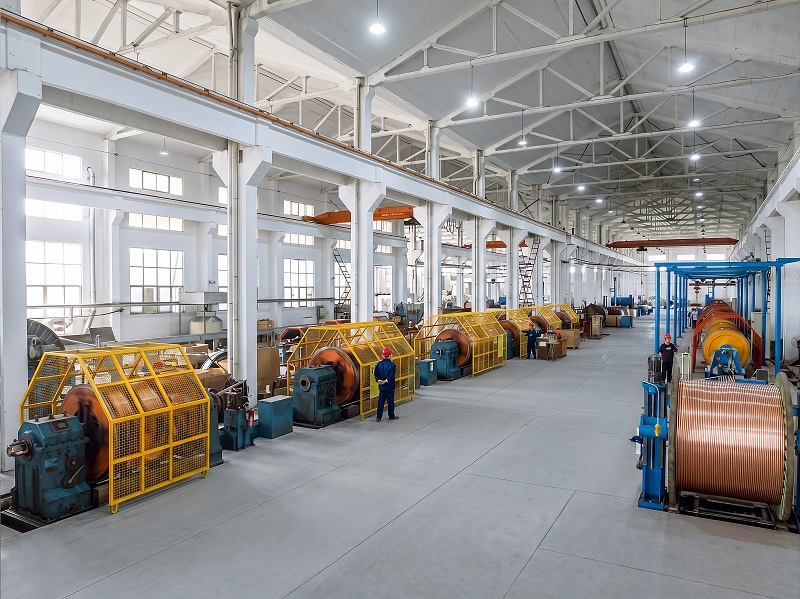
Two terms are often confused. A flame-retardant PVC insulated control cable resists the spread of flame along the cable. A fire-resistant cable continues to operate for a defined period while exposed to fire, using a fire-resistant barrier around the conductor.
The distinction matters in emergency circuits, alarm systems and pressurised stairwells. In those applications the cable must keep the circuit alive long enough for the safety system to do its job, and the specification will usually reference a duration and a test method. Ask for the test report, not the description.
Xinyu Cable manufactures flame-retardant and fire-resistant control cable constructions alongside standard PVC insulated types, and supplies them to industrial and utility projects where circuit integrity is part of the specification.
Control cables are specified by the number of cores and the cross-sectional area of each conductor. A 4-core 1.5 mm² cable and a 24-core 1.5 mm² cable share the same conductor size but behave very differently during installation: the higher core count is stiffer, heavier and larger in diameter.
Points to settle before ordering:
A cable that is technically correct but too stiff for the routing will be damaged during pulling, and the damage will not always be visible at the surface.
PVC insulated control cable is used in:
It is not intended as a power distribution cable, and it is not a substitute for a solar cable in a photovoltaic string. Each of those applications has a different insulation and test regime.
For project and wholesale orders, the practical questions are cut lengths, drum configuration, mixed container loading and the quantity per size. Confirm whether the manufacturer can print your company's marking on the sheath and provide the test records for the batch you are buying. These details are easier to agree before production than after delivery.
Is PVC insulated control cable suitable for outdoor use? Standard PVC sheaths are intended for indoor or protected installation. For outdoor routes, specify a UV-stabilised sheath or an additional protective measure.
What is the difference between a screened and an armoured control cable? A screen manages electromagnetic interference. Armour provides mechanical protection against impact, crushing and rodents. A cable can have both, and many industrial installations do.
Can control cable be used for power circuits? Not as a general rule. Control cables are sized and tested for signal and auxiliary circuits. Use a power cable rated for the voltage and load.
Why does the same cable carry different prices from different suppliers? Compare conductor class, insulation compound, screen construction, flame performance and test documentation. Differences in any of these are reflected in the price.
If you are specifying PVC insulated control cable for a project or a wholesale order, Xinyu Cable can review the circuit requirements, confirm the construction and provide test documentation with the quotation. Send your specification for a tailored response.
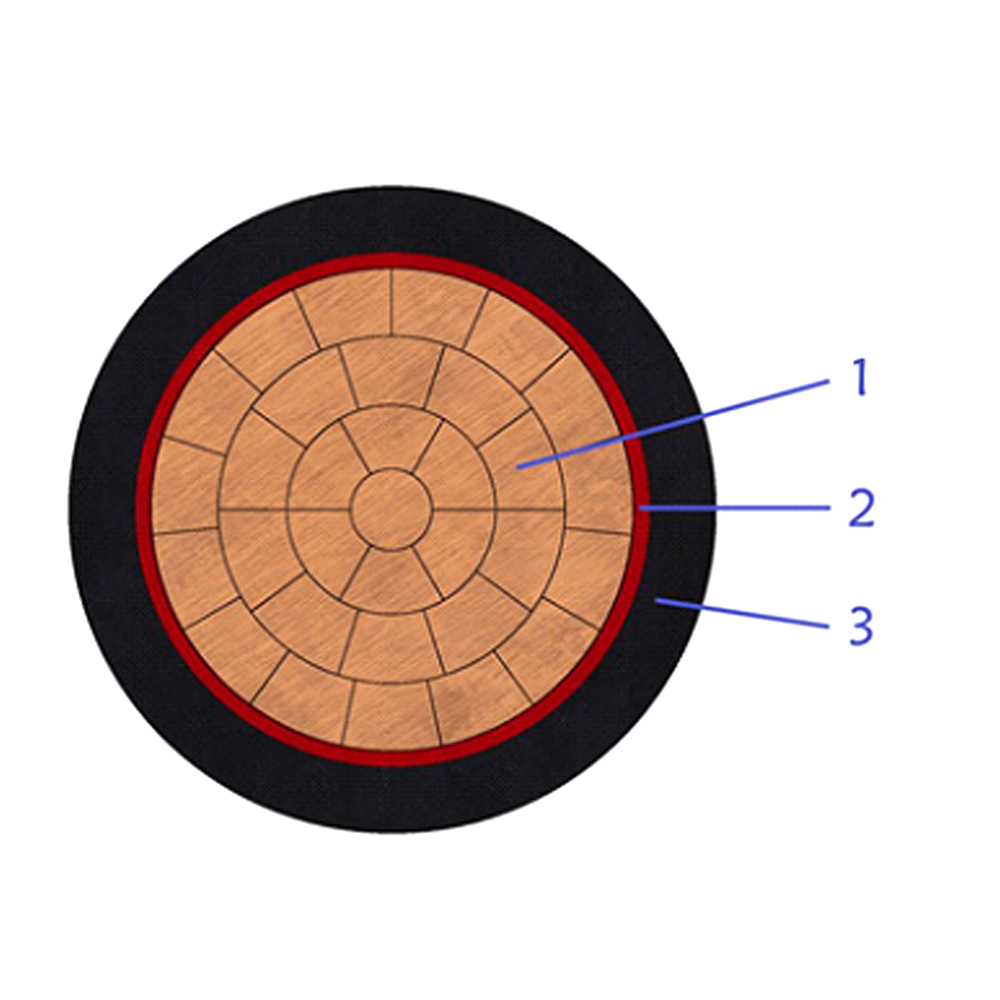
This single-core CU/PVC/PVC cable is designed for low-voltage power transmission......
+ VIEW MORE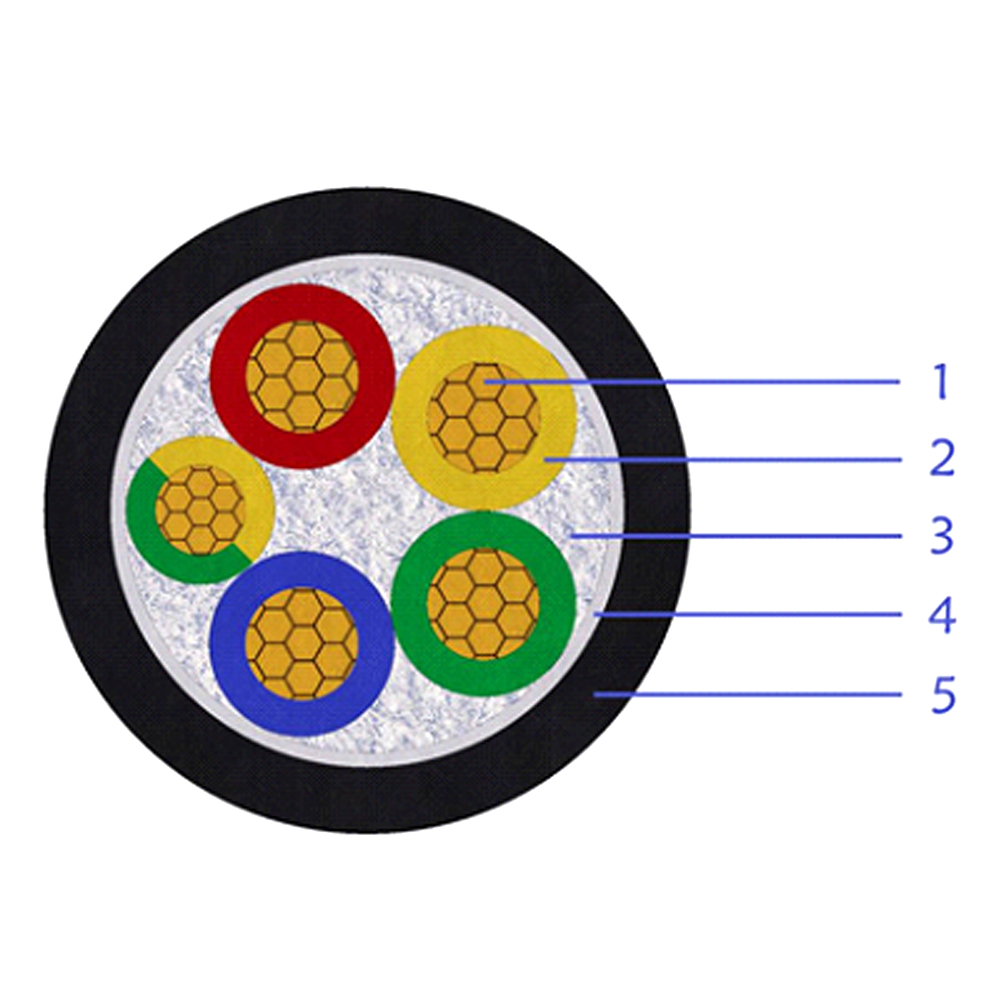
The multi-core CU/PVC/PVC cable is engineered for low-voltage distribution where......
+ VIEW MORE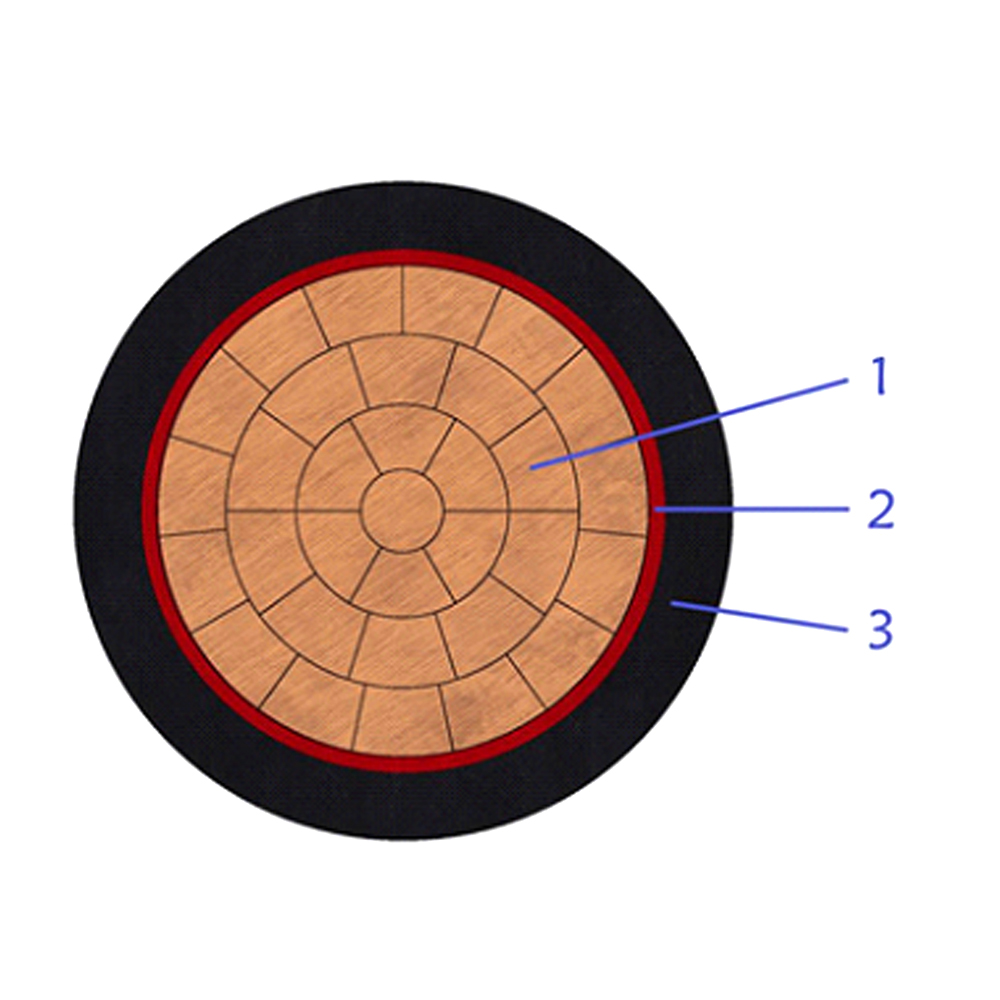
This single-core XLPE insulated PVC sheathed cable is ideal for low-voltage powe......
+ VIEW MORE
This multi-core XLPE insulated PVC sheathed cable is designed for low-voltage ne......
+ VIEW MORE
This multi-core XLPE insulated unarmored power cable is designed for medium volt......
+ VIEW MORE
This multi-core XLPE insulated unarmored power cable is designed for medium volt......
+ VIEW MORE
Ready To Customise
Your Cable Products?