+852-68552081


 Language

 English
 русский
 Español
 عربى
عربى
Home / Products
Electric Wire Company


1996
160000㎡
10+Years
No.33+
Choosing a cable for a specific application is not simply a matter of selecting the required voltage and conductor size. Cable construction must also correspond to the installation environment, mechanical stress, operating temperature, signal requirements, fire-safety conditions, and expected service life. Professional Custom Electrical Cable Suppliers normally evaluate these factors together before recommending a cable structure, because a cable that performs well in a fixed indoor installation may not be suitable for industrial control equipment, communication systems, or areas exposed to fire risks.
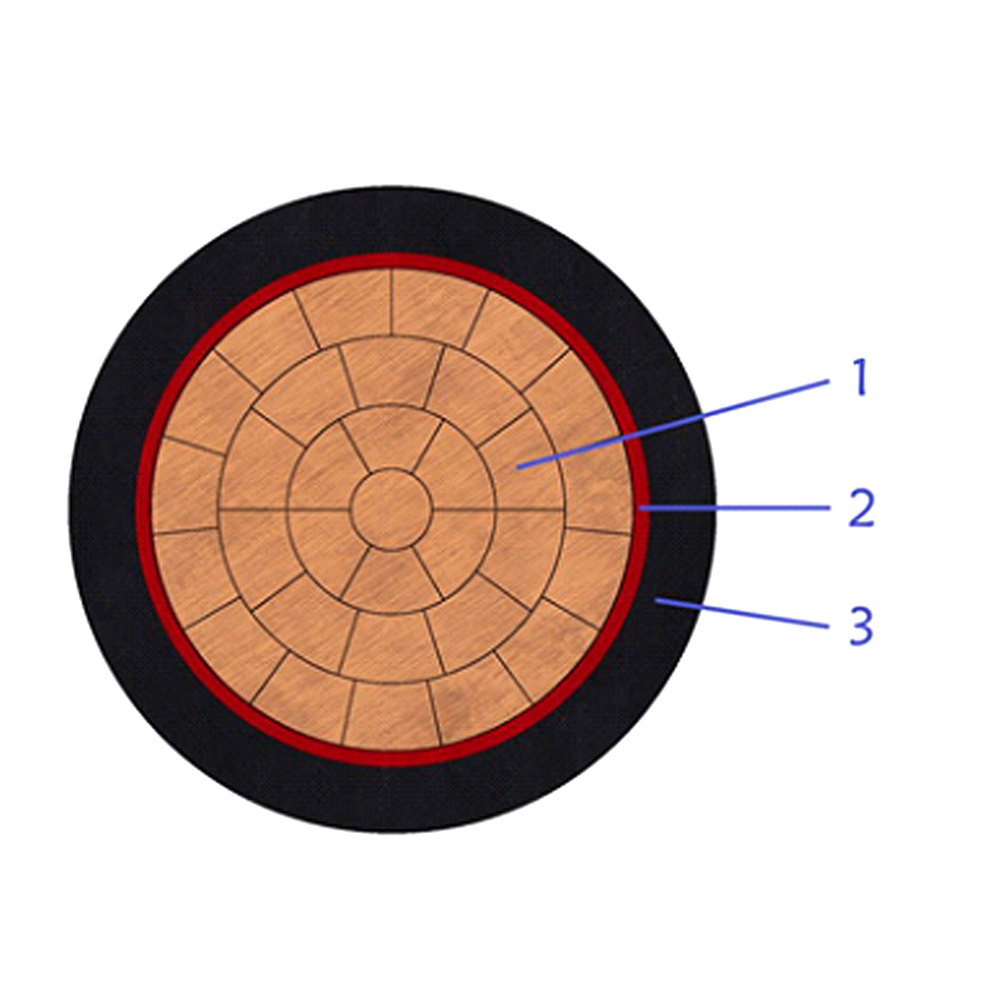
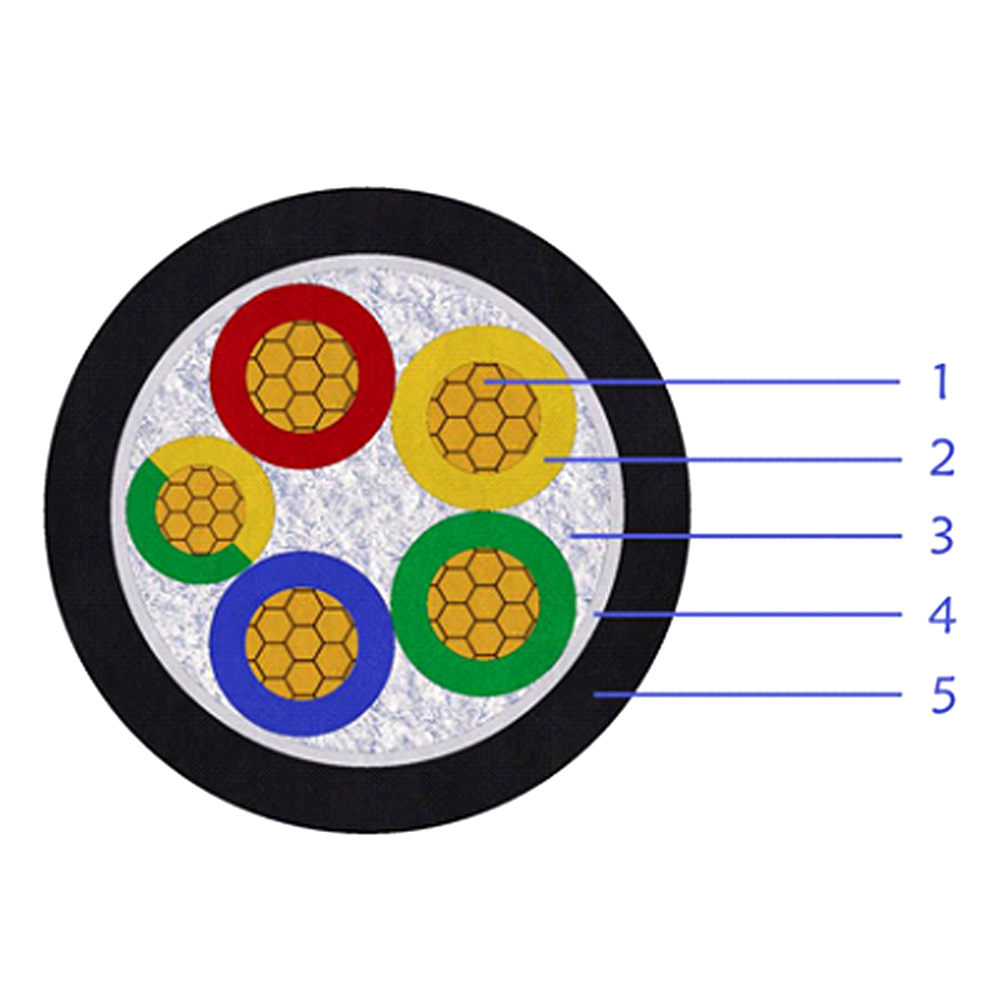
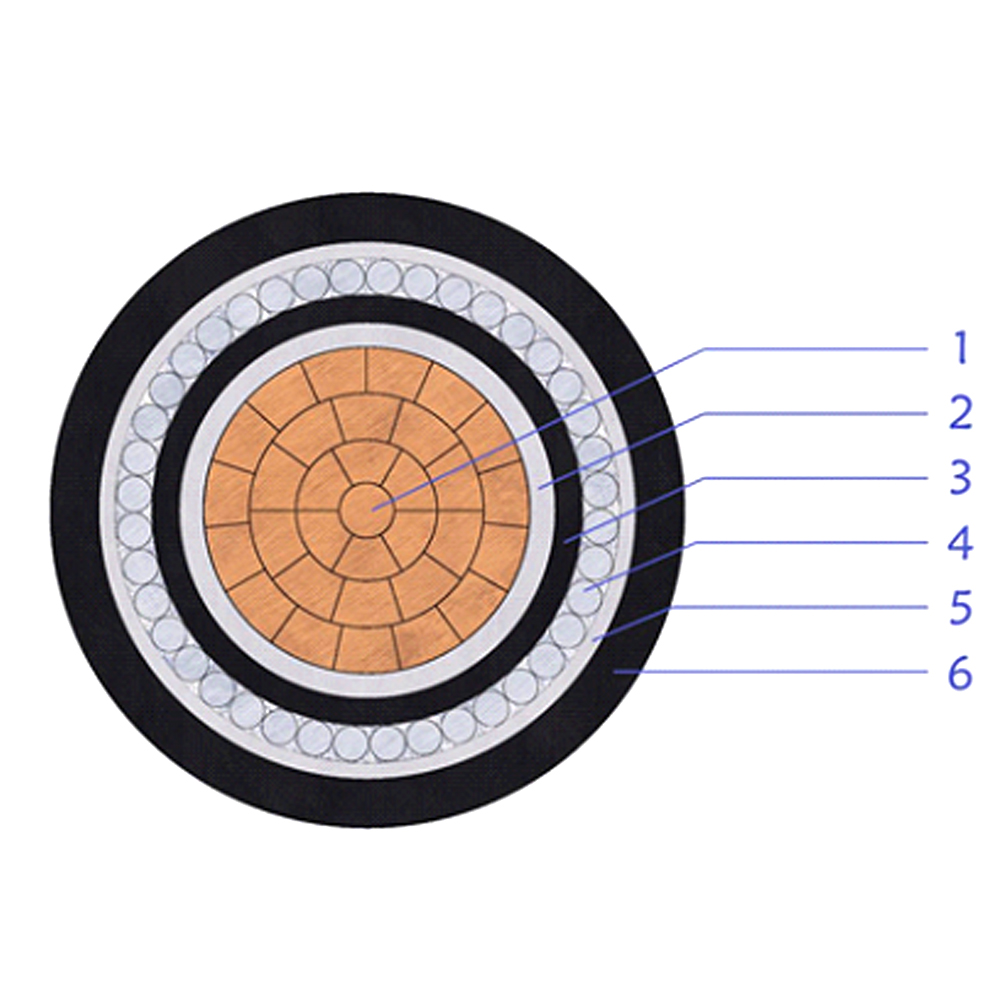
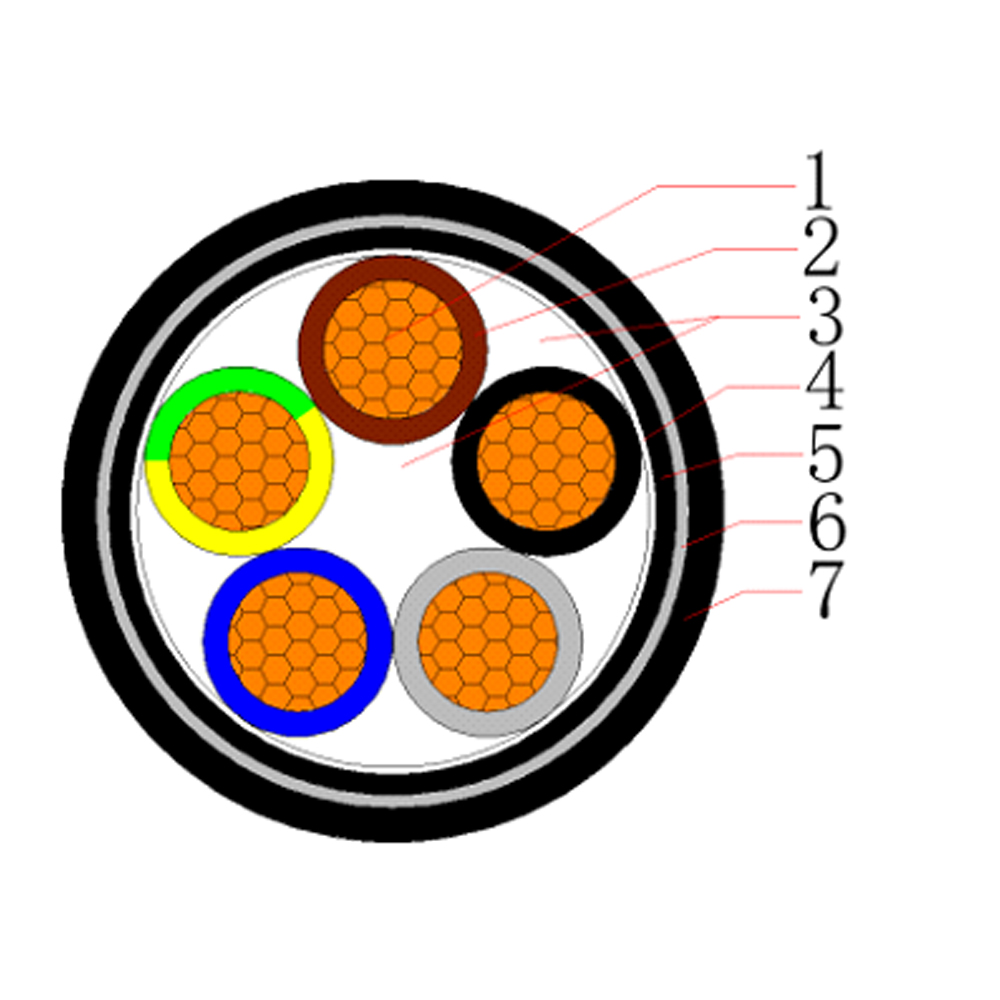
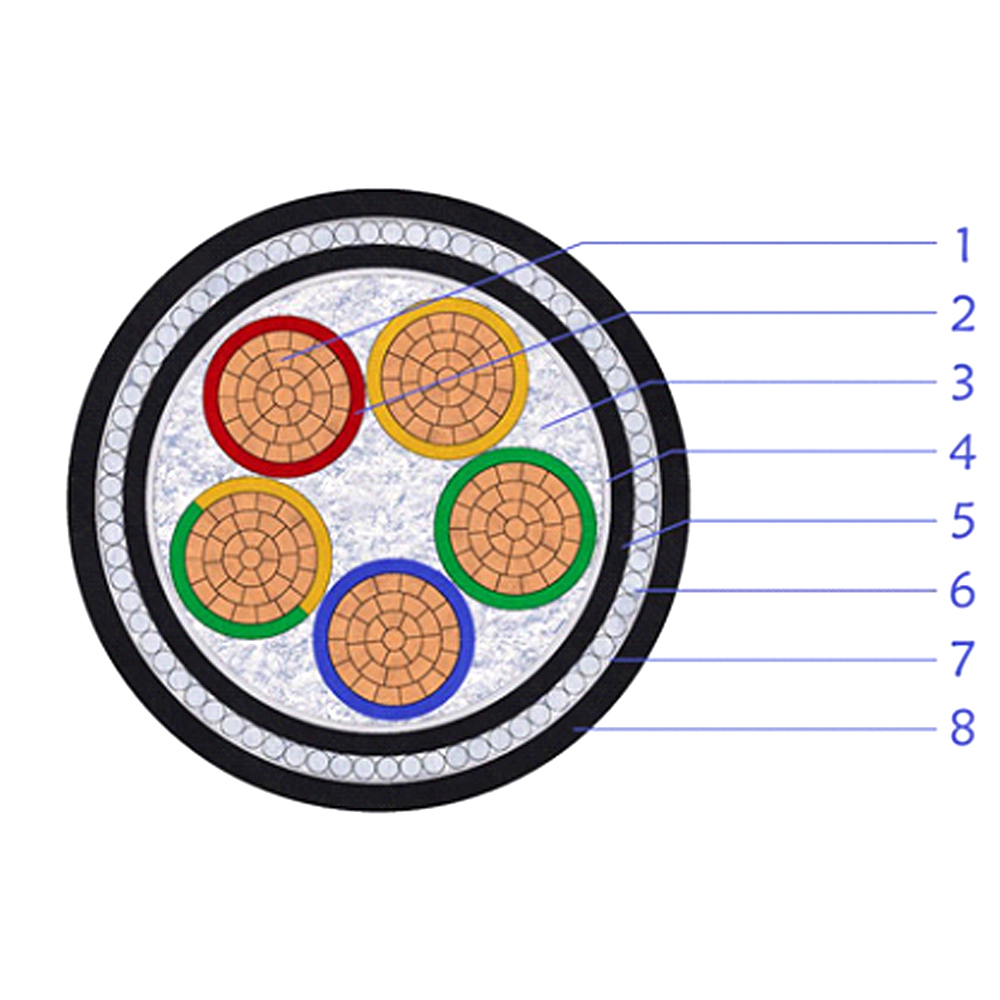
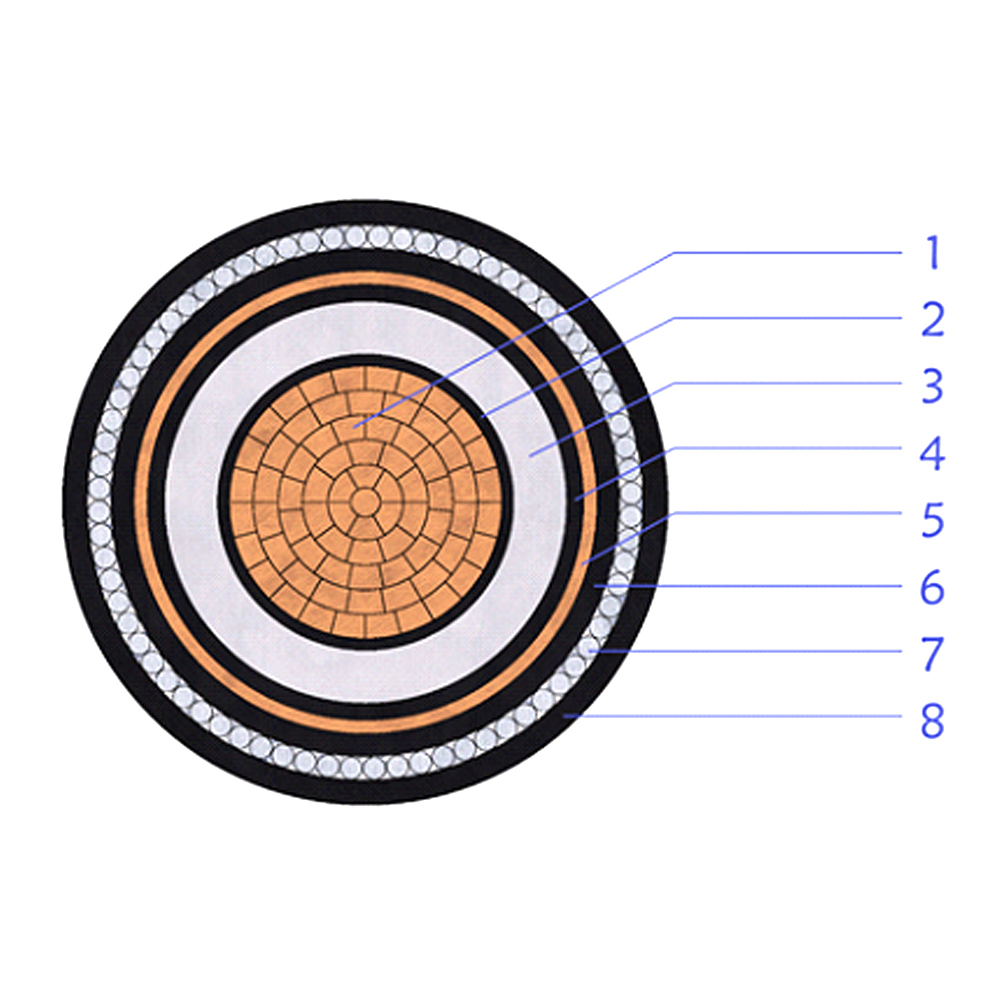
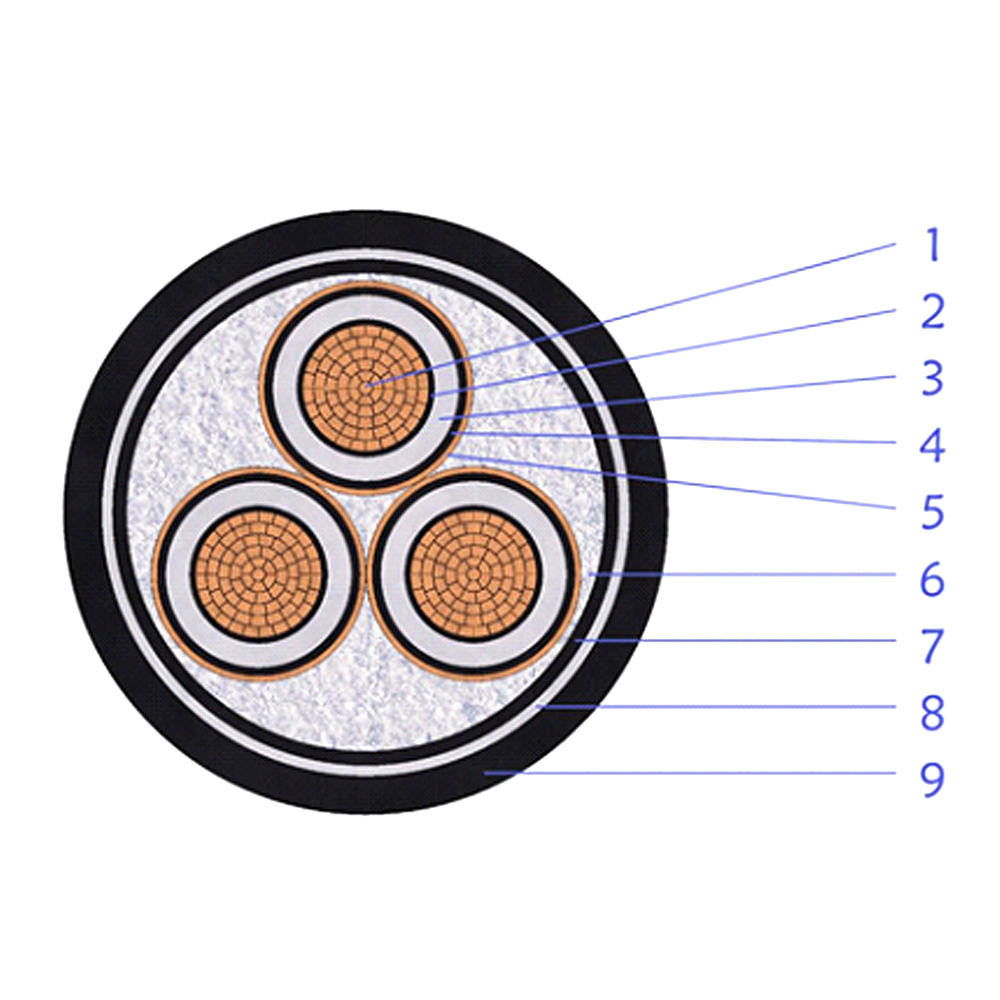
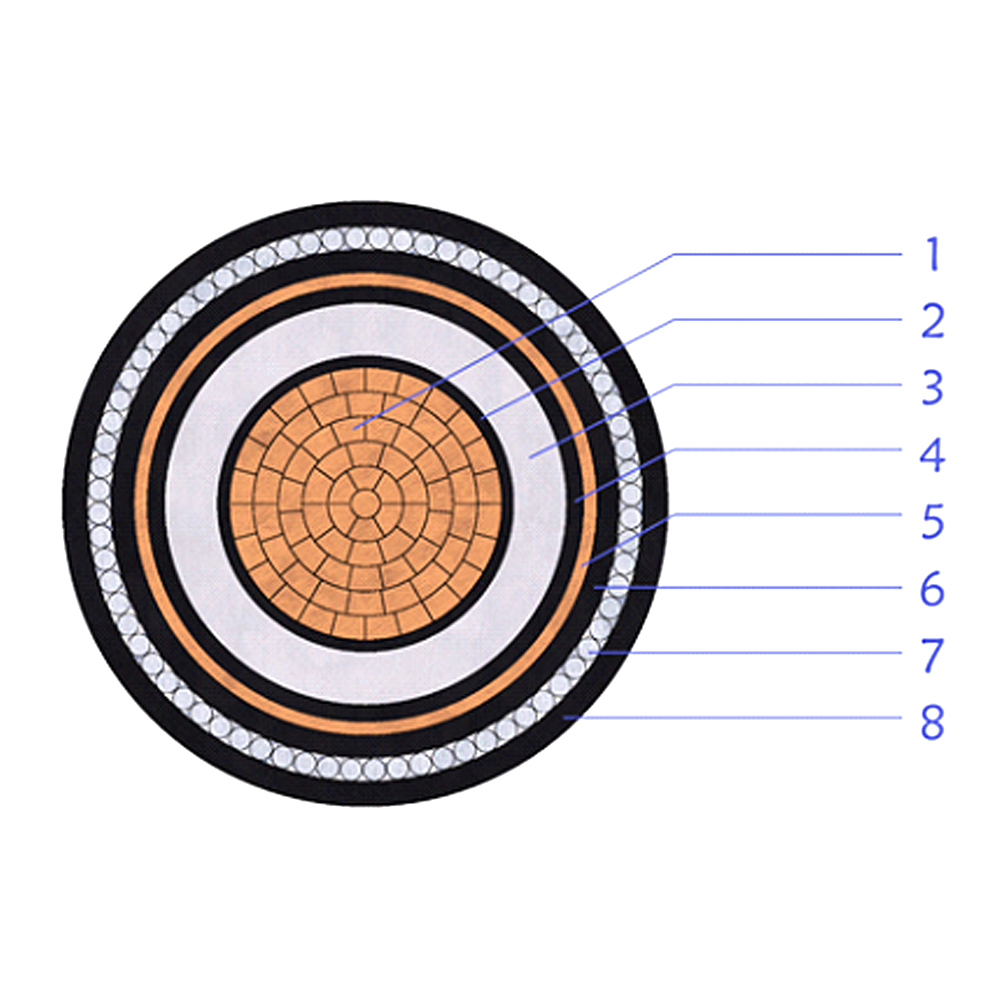
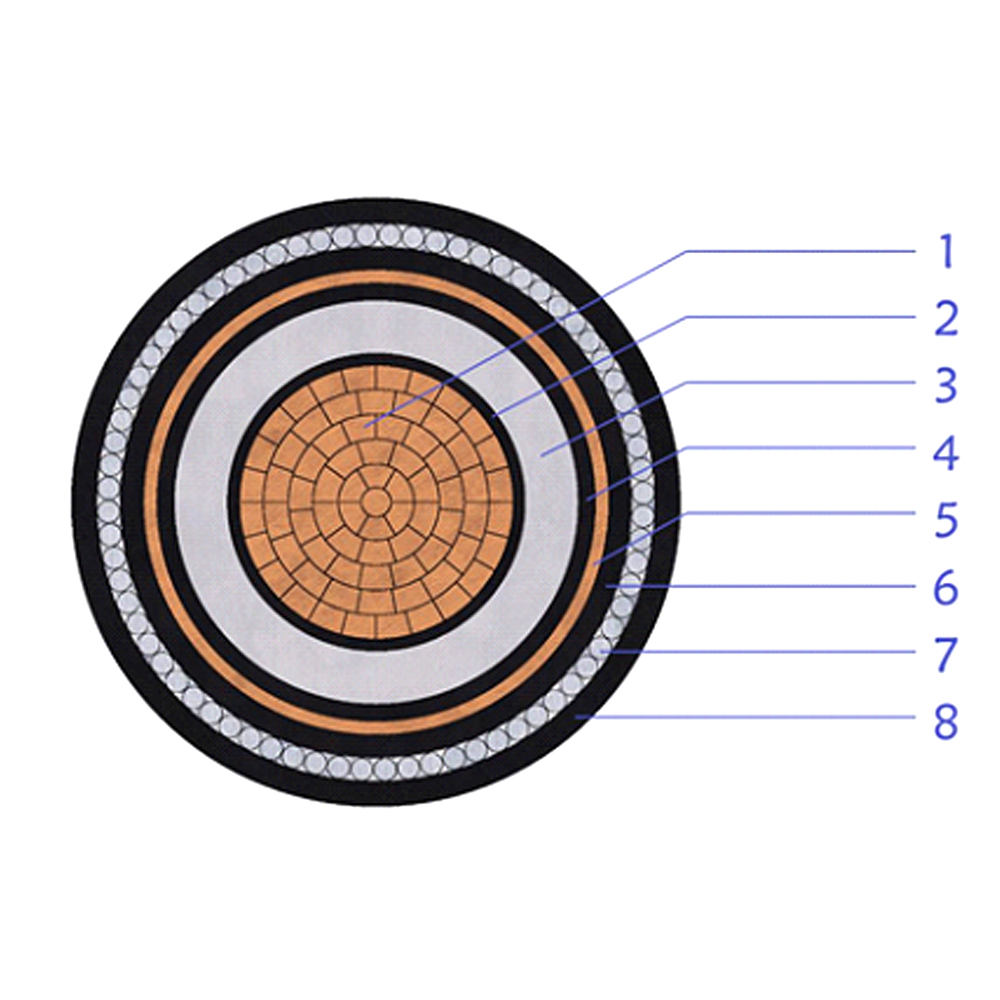
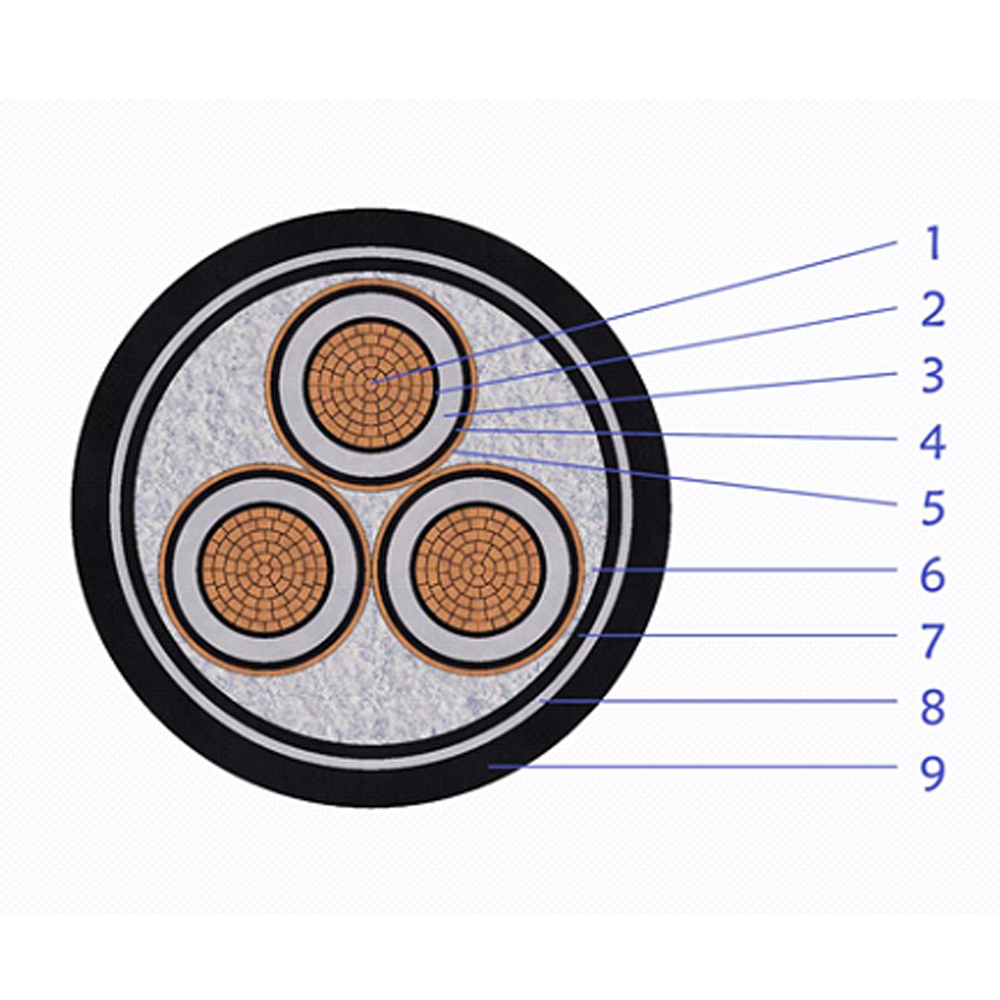
For example, conductor material, insulation material, shielding structure, sheath construction, and flame-retardant performance can all be adjusted according to the application. Wuxi Xinyu Cable Co., Ltd., established in 1996, specializes in the production of various electrical wires and cables and offers more than 500 varieties across eight major product categories. Its product range includes PVC insulated wires, all-plastic power cables, all-plastic control cables, cross-linked power cables, computer cables, flame-retardant and fire-resistant power cables, flame-retardant and fire-resistant cross-linked power cables, and shielded cables.
Cable insulation is responsible for maintaining electrical separation between conductors and between the conductor and the surrounding environment. However, insulation performance involves more than dielectric strength. Continuous exposure to heat, moisture, chemicals, mechanical stress, and electrical loading can gradually affect insulation properties. This is why an Electric Wire Company should consider the complete operating environment instead of selecting insulation solely according to the nominal voltage.
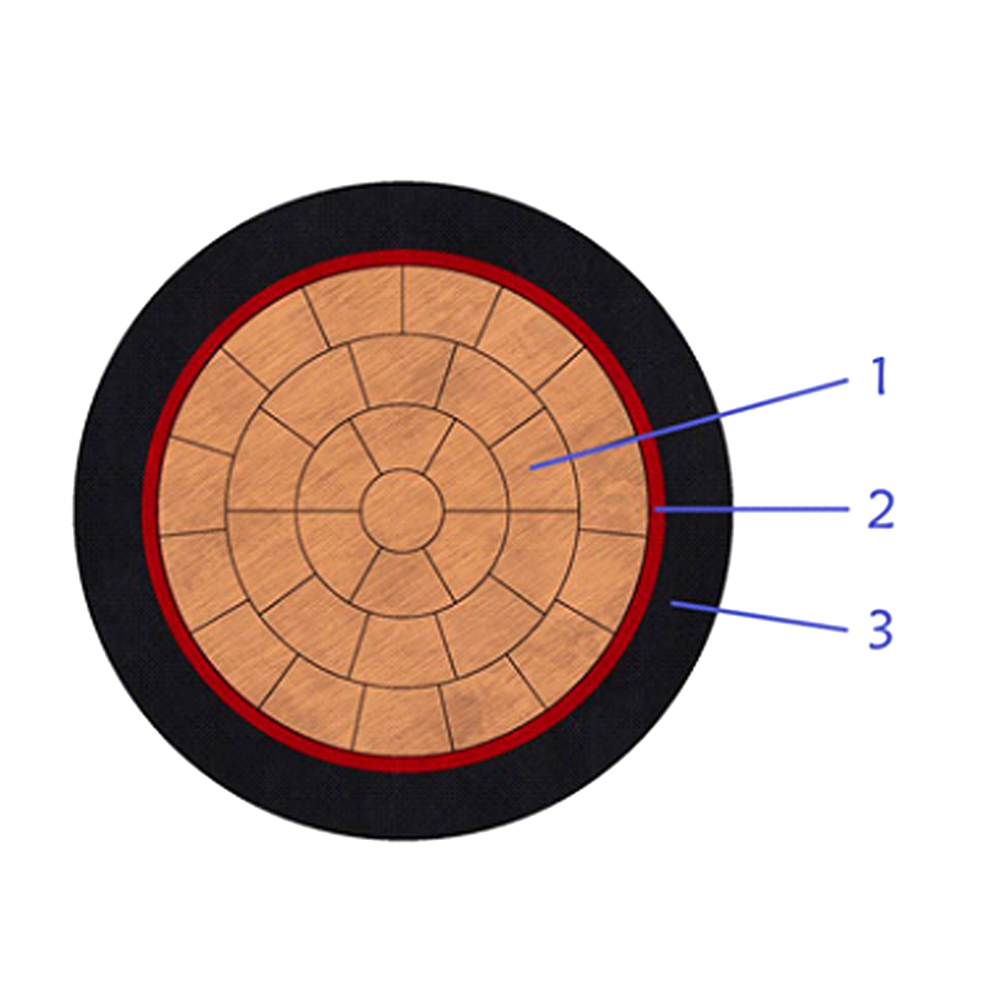
PVC is widely used for electrical wires and cables because it offers a practical balance between insulation performance, processability, mechanical properties, and cost. Cross-linked insulation can provide improved thermal performance and is therefore commonly considered for applications where cables are expected to operate under higher thermal loads. The appropriate choice depends on the electrical design and environmental conditions of the installation.
| Cable consideration | Why it matters |
| Insulation material | Determines electrical insulation and environmental resistance |
| Thermal rating | Helps determine allowable continuous operating conditions |
| Sheath construction | Provides additional protection against external conditions |
| Shielding | Helps control electromagnetic interference in sensitive systems |
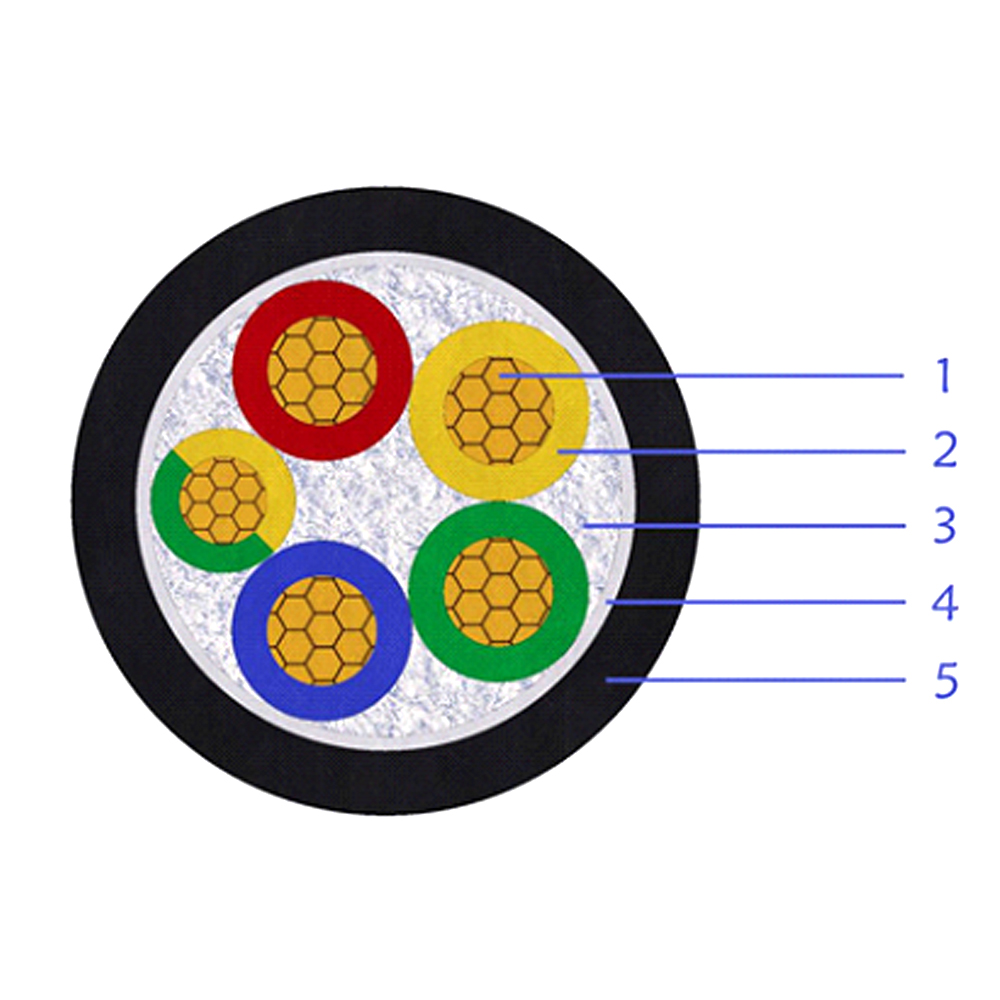
In industrial environments, power equipment, motors, variable-frequency drives, switching devices, and other electrical systems can generate electromagnetic interference. When control or computer signals pass through the same environment, interference may affect signal integrity and system stability. Shielded cables are designed to reduce the impact of external electromagnetic fields and limit unwanted coupling between circuits.
The shielding method should be selected according to the frequency range, signal type, installation configuration, and grounding strategy. Simply adding a shield does not automatically solve every interference problem. Shield termination, grounding continuity, cable routing, separation from power cables, and connector design can all influence the final performance.
Flame-retardant and fire-resistant cables are often treated as interchangeable terms, but they address different performance requirements. Flame-retardant cable designs are intended to restrict the spread of flame along the cable under specified test conditions. Fire-resistant cables are designed to maintain circuit integrity for a specified period under defined fire conditions. Therefore, the correct cable should be selected according to the actual safety requirement rather than relying only on general terminology.
This distinction becomes particularly important for power distribution, emergency systems, industrial facilities, transportation infrastructure, and other installations where continued electrical operation during a fire may be critical. Wuxi Xinyu Cable Co., Ltd. has developed a broad product portfolio that includes both flame-retardant and fire-resistant power cables as well as flame-retardant and fire-resistant cross-linked power cables.
When working with an Electric Wire Company on a fire-safety project, buyers should therefore provide the applicable technical standard, required fire-performance duration, installation environment, voltage rating, conductor specification, and any smoke or emission requirements. These details make the selection process more precise and reduce the risk of choosing a cable based only on its product name.
For large-volume cable procurement, production capacity is important because consistency between batches can be as significant as the initial product specification. A capable manufacturer needs sufficient production facilities, technical personnel, testing capabilities, process control, and supply-chain coordination to maintain stable product quality across repeated orders.
Wuxi Xinyu Cable Co., Ltd. is located near Lake Tai and operates on a site exceeding 160,000 square metres, including 36,000 square metres of production facilities. The company has an organizational and manufacturing foundation suited to producing a wide range of electrical wires and cables. Its eight major categories and more than 500 varieties also demonstrate the importance of product-line flexibility when buyers require different cable structures for different projects.
A detailed request for quotation can significantly improve communication between an international buyer and a Custom Electrical Cable Suppliers. Instead of requesting only a price for a general cable name, buyers should provide the electrical, mechanical, environmental, dimensional, and regulatory requirements that determine the actual cable construction.
| Information | Example details to provide |
| Electrical specification | Voltage, current, frequency, conductor size |
| Cable structure | Number of cores, conductor arrangement, insulation, sheath, shielding |
| Operating environment | Indoor/outdoor use, temperature, moisture, chemicals, mechanical exposure |
| Safety requirements | Flame retardance, fire resistance, smoke requirements |
| Order requirements | Quantity, packaging, delivery schedule, labeling requirements |
For projects involving several cable types, it is also useful to provide drawings, technical specifications, applicable standards, and installation information. This allows the supplier's engineering team to identify potential conflicts between the requested specifications and the actual application before production begins.
Electrical projects often require more than one type of cable. A single facility may use power cables for distribution, control cables for equipment, computer cables for data-related systems, shielded cables for interference-sensitive applications, and fire-performance cables for safety-critical circuits. Purchasing these products from multiple unrelated manufacturers can increase the complexity of technical communication, quality verification, documentation, and delivery management.
A supplier with a broad product portfolio can provide a more integrated sourcing approach. Wuxi Xinyu Cable Co., Ltd. covers eight major cable categories and more than 500 varieties, ranging from PVC insulated wires and all-plastic power cables to control cables, cross-linked power cables, computer cables, shielded cables, and flame-retardant or fire-resistant products. This breadth is particularly useful for buyers who need to coordinate several cable specifications within the same project or across multiple projects.
For international buyers comparing an Electric Wire Company or evaluating Custom Electrical Cable Suppliers, product range should therefore be considered together with technical support, manufacturing resources, customization capability, quality consistency, and the supplier's ability to manage repeat orders.

Ready To Customise
Your Cable Products?