+852-68552081


 Language

 English
 русский
 Español
 عربى
عربى
Home / News / Industry News / 2 AWG Aluminum Wire: Ampacity, Applications, and Installation Considerations
New

Content
You have a 90 A feeder circuit to design, and the copper quote is testing the client’s patience. A natural alternative is 2 AWG aluminum wire: it is lighter, costs less than copper, and appears on the ampacity chart at exactly 90 A when terminated at 75°C. But the conductor size only works when the whole installation—insulation rating, terminal compatibility, oxidation protection, and circuit length—gets the same level of attention. This article explains what 2 AWG aluminum wire can and cannot do, how it compares with copper, and how to install it in a way that stays reliable for decades.
2 AWG is a widely used conductor size in the American Wire Gauge system. The lower the AWG number, the larger the cross section, and 2 AWG is considered a medium-large conductor with a nominal cross-sectional area around 33.6 mm². In practice, that size is common for feeder conductors, service entrance conductors, and certain overhead distribution runs.
For building wire, aluminum conductors are typically made from AA-8000 series alloys such as AA-8030 or AA-8177. These alloys were developed to improve bending performance, reduce creep, and make terminations more stable. Overhead bare conductors are more often made from EC-grade aluminum or aluminum alloys that deliver the right combination of conductivity and tensile strength. The conductor may be solid or stranded, and it is usually covered in an insulation such as THHN, THWN-2, XHHW-2, or USE-2 when installed inside buildings or underground.
Because aluminum has roughly 61 percent of the conductivity of copper on an equal-size basis, a 2 AWG aluminum wire will always carry less current than a 2 AWG copper wire at the same temperature. That difference is not a defect; it simply means the selection process must be based on a proper ampacity table, termination temperature limits, and voltage drop, not on a simple gauge-to-gauge substitution.
The most common question about 2 AWG aluminum wire is how many amps it can safely carry. The answer depends on the insulation temperature rating and the terminal temperature rating. Table 1 summarizes the standard NEC ampacity values for a 2 AWG aluminum conductor used in a raceway or cable with an ambient temperature of 30°C and no more than three current-carrying conductors.
| Temperature Rating | Typical Insulation Types | 2 AWG Aluminum Ampacity |
|---|---|---|
| 60°C (140°F) | TW, UF | 75 A |
| 75°C (167°F) | RHW, THHW, THWN, XHHW | 90 A |
| 90°C (194°F) | THHN, THWN-2, RHW-2, XHHW-2, USE-2 | 100 A |
The 100 A value in the 90°C column represents the conductor’s thermal capability with high-temperature insulation. In a typical residential or commercial panel, the circuit breaker and terminal lugs are rated 75°C or below. In that situation, the 90°C column is often used only for adjusting the conductor under derating conditions, not for setting the final overcurrent protection. A common field rule is to size the circuit based on the 75°C ampacity of 90 A unless every component in the circuit—lug, breaker, and insulation—is listed for 90°C operation.
Ambient temperature and conductor bundling also reduce the allowable ampacity. In a hot attic, on a rooftop, or inside a conduit with more than three current-carrying conductors, standard correction and adjustment factors must be applied before selecting a final conductor size.
Most projects choose 2 AWG aluminum for two reasons: cost and weight. A 2 AWG aluminum conductor weighs roughly 70 percent less than the same gauge copper, which makes pulling, lifting, and supporting easier on long runs. Aluminum also has a lower material cost per meter, which is why large feeders and service drops frequently use aluminum instead of copper.
Table 2 compares the ampacity of 2 AWG copper and 2 AWG aluminum under the same conductor temperature conditions.
| Conductor Material | 60°C Column | 75°C Column | 90°C Column |
|---|---|---|---|
| Copper | 95 A | 115 A | 130 A |
| Aluminum | 75 A | 90 A | 100 A |
The lower ampacity means that 2 AWG aluminum is not an exact substitute for 2 AWG copper. A circuit designed for 115 A at 75°C with copper would need to be reworked before using aluminum. For 100 A branch or feeder circuits, a 2 AWG aluminum conductor may be adequate only if the terminations are rated 90°C and the temperature correction factors allow it; otherwise, a larger aluminum conductor such as 1/0 may be necessary.
Another important difference is oxidation. Aluminum quickly forms a thin oxide layer that is not conductive. If that oxide layer is not broken and sealed, it creates resistance at the connection point and can cause heat. That is why aluminum terminations require listed aluminum-rated lugs, anti-oxidant compound, and proper torque. Copper does not require the same paste-and-brush process, but copper is also heavier and more expensive. The trade-off is made at the engineering and estimating stage.
Small branch circuits in homes, such as 15 A or 20 A receptacle circuits, are not a good application for 2 AWG aluminum. Those circuits use small terminal screws and push-in connections that were never reliable with aluminum in residential settings. For larger feeders and service entrance conductors, however, aluminum is a proven and code-established material.
Common applications for 2 AWG aluminum include:
Overhead is the area where aluminum has dominated for decades. Bare aluminum stranded conductor offers an excellent strength-to-weight ratio, while steel-cored aluminum stranded conductor provides extra tensile strength for longer spans. When a manufacturer such as Xinyu Cable supplies both configurations, an overhead project can match sag limits, short-circuit rating, and long-term corrosion performance more precisely.
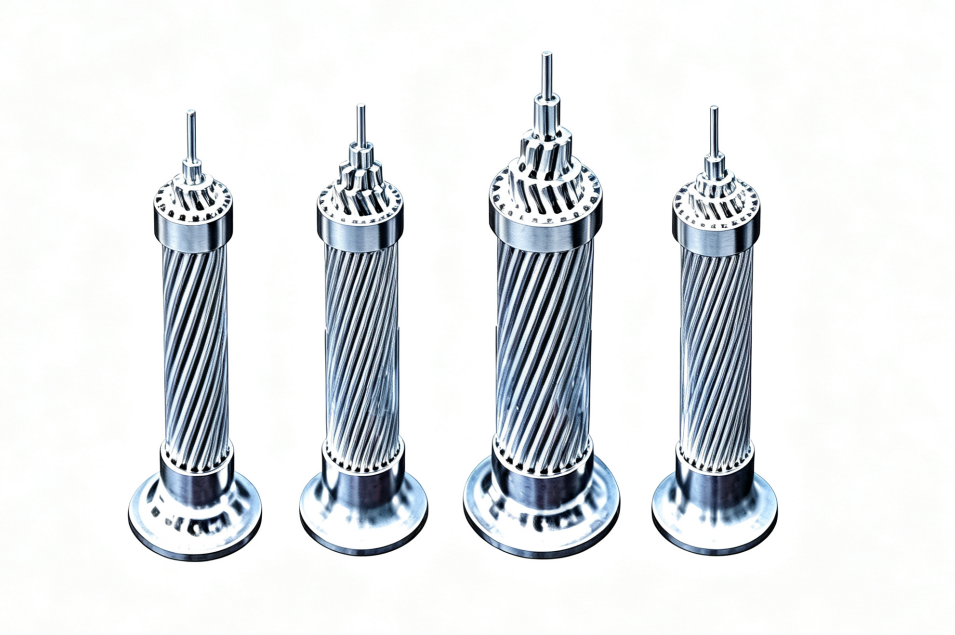 Aluminum Stranded Wire and Steel-Cored Aluminum Stranded WireThis overhead conductor range pairs bare aluminum strands with optional steel cores, offering balanced tensile strength and conductivity for short-span distribution or long-span high-voltage transmission lines.View Product →
For buried or raceway installations, use an insulated aluminum cable with an outer jacket suitable for the environment. USE-2 rated cable can be direct buried, while THHN/THWN-2 is more common in conduit. In all cases, the connection hardware must be rated for aluminum. Many junction boxes now include lugs marked AL/CU or CO/ALR, which means they are intended for both copper and aluminum conductors.
Field problems with 2 AWG aluminum usually come down to three mistakes: using the wrong ampacity column, skipping the anti-oxidant step, or ignoring voltage drop. The following installation sequence helps prevent those issues.
If the circuit is installed in an environment with high ambient temperature, apply the appropriate correction factor from the NEC. A conductor that looks acceptable at 30°C may be underrated inside an unconditioned attic at 45°C. The same logic applies when several power cables share a raceway; the bundling adjustment factor is required to avoid accumulated heat.
2 AWG aluminum wire is a practical and widely used conductor for feeder and service applications when it is selected with accurate load data, correct termination temperature, and good installation practice. It will not match the ampacity of 2 AWG copper, but it is lighter and significantly more economical for circuits that are designed around its real limits. For overhead lines, bare aluminum and ACSR conductors are not just acceptable; they are the industry standard. The key to success is treating the oxide layer, the lug rating, and the ambient temperature as seriously as the conductor size itself.
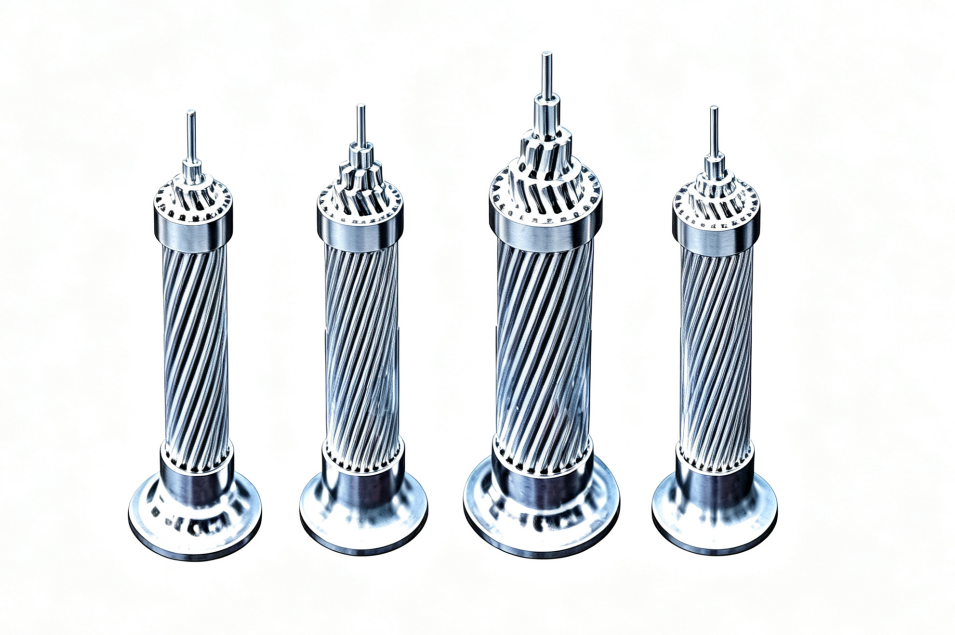
As bare conductive products, aluminum stranded wires are suitable for low-voltag......
+ VIEW MORE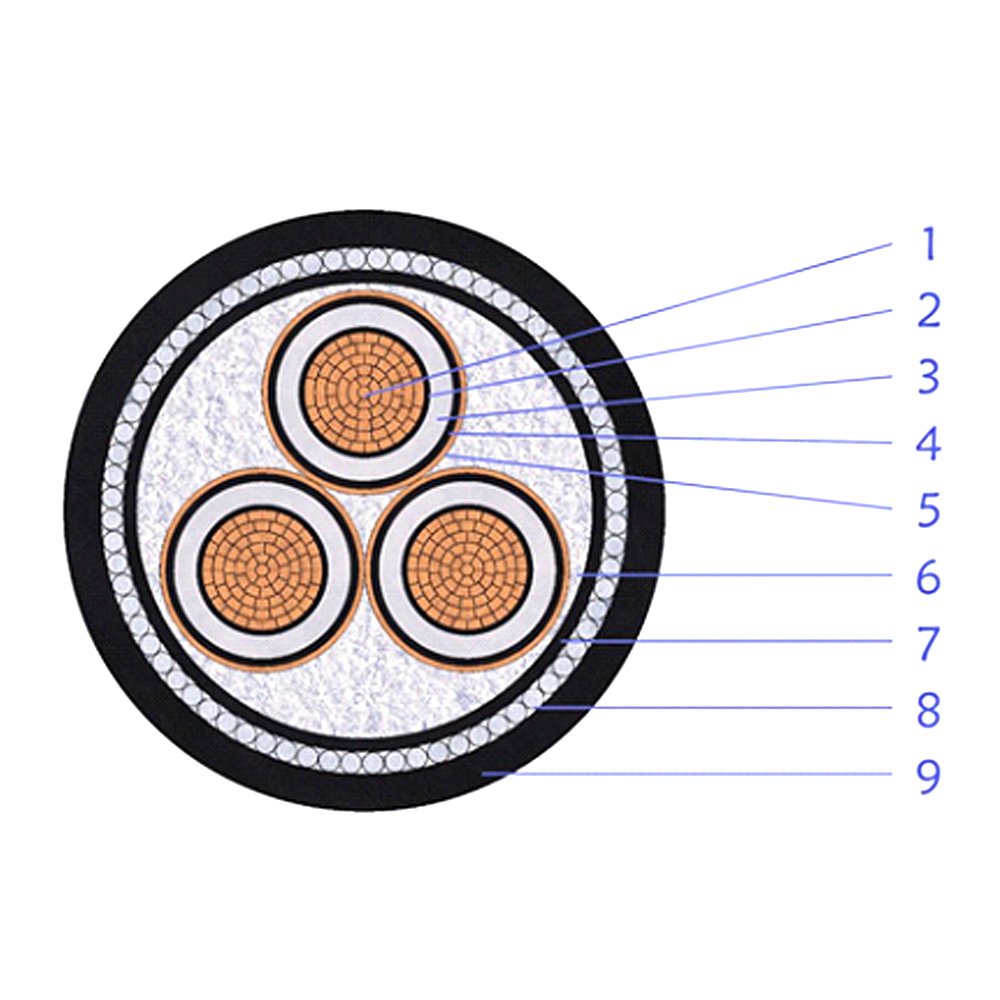
This medium voltage power cable is designed with multi-core copper conductors in......
+ VIEW MORE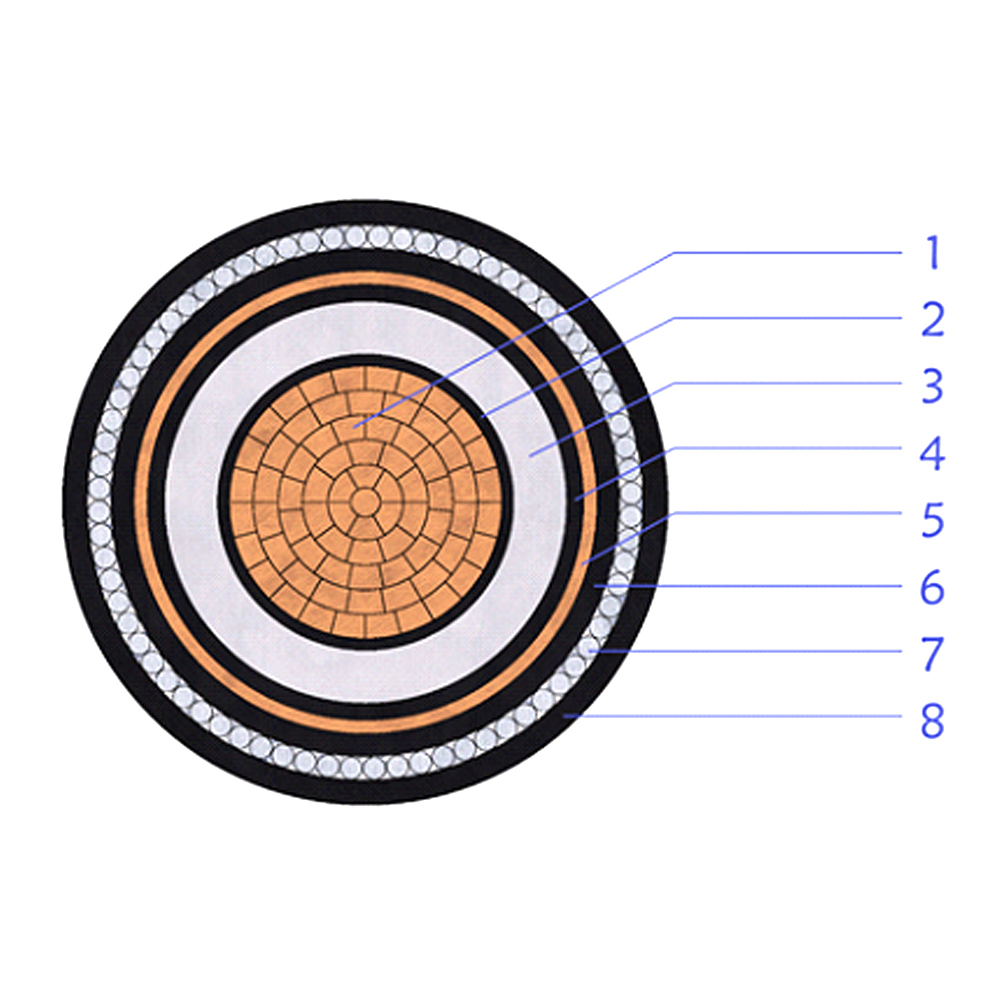
This 3.6/6(7.2)kV medium voltage power cable is designed with a copper conductor......
+ VIEW MORE
This 3.6/6(7.2)kV medium voltage unarmored power cable is designed for fixed ins......
+ VIEW MORE
Suitable for transmission of analogue and digital control signals between comput......
+ VIEW MORE
Xinyu Flame-Retardant Computer and Instrumentation Cables are designed for the t......
+ VIEW MORE
Ready To Customise
Your Cable Products?