+852-68552081


 Language

 English
 русский
 Español
 عربى

Flame-retardant computer and instrument cables Factory


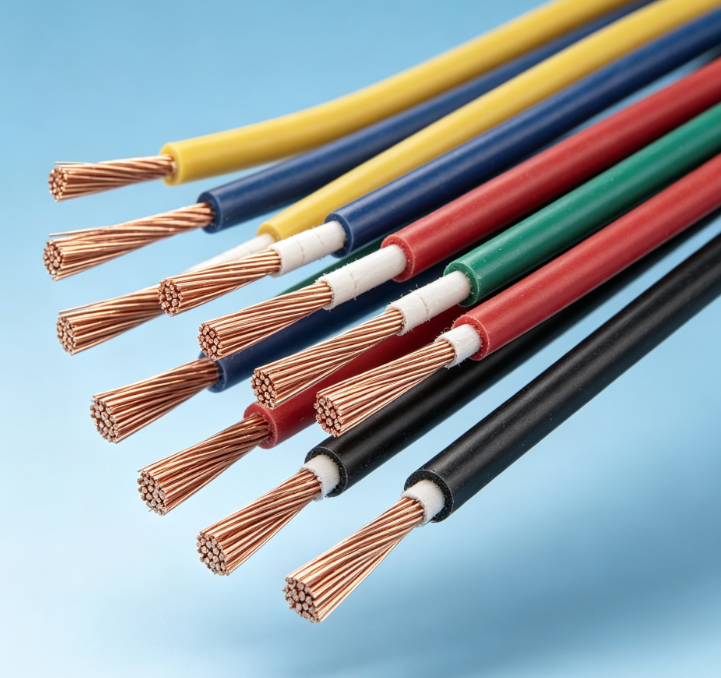
Flame-retardant computer and instrumentation cables are primarily used for low-power signal acquisition, data transmission and control connections in industrial automation and instrumentation systems. They are suitable for connecting sensors, measuring instruments, control modules and data acquisition equipment where reliable signal transmission and flame-retardant performance are required.
Typical applications include petrochemical and chemical processing plants, power stations, substations, intelligent manufacturing facilities, wastewater treatment plants and other industrial environments with specified fire safety requirements. With optional shielding structures and flame-retardant materials, these cables help reduce electromagnetic interference, support reliable signal transmission and limit flame propagation along cable routes.
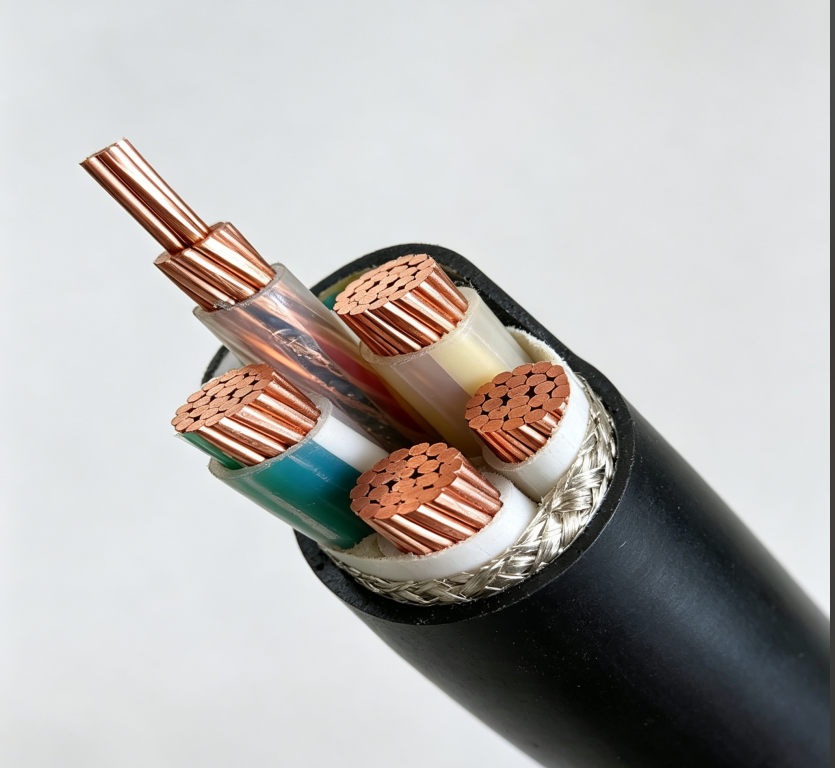
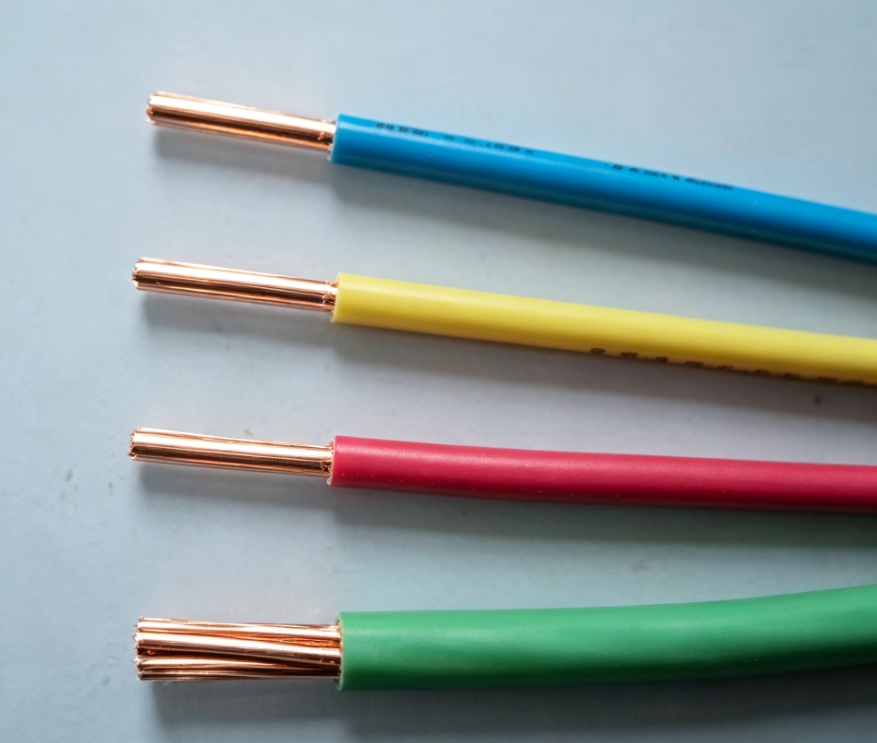
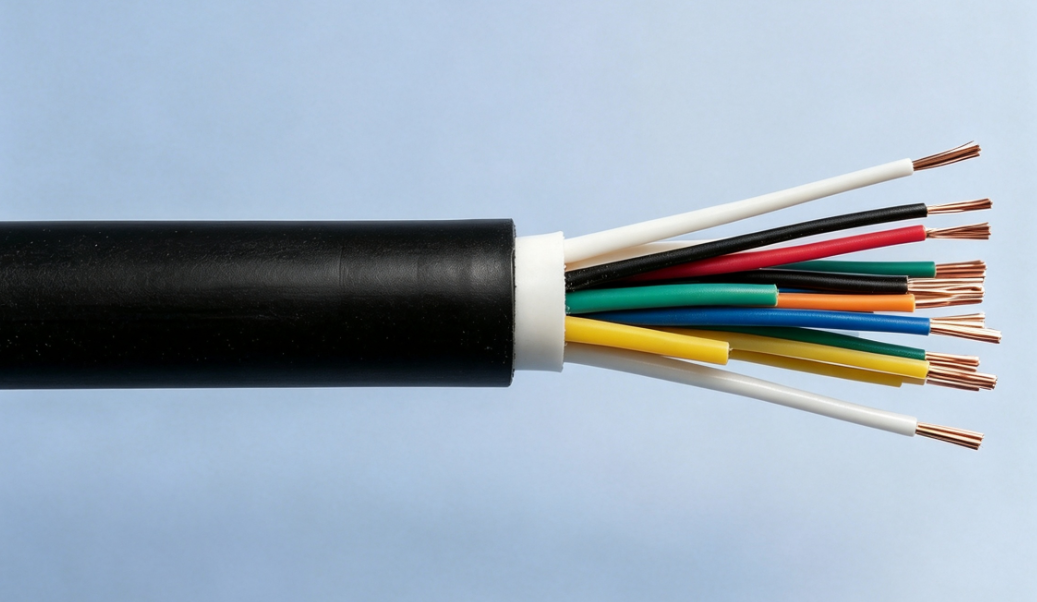
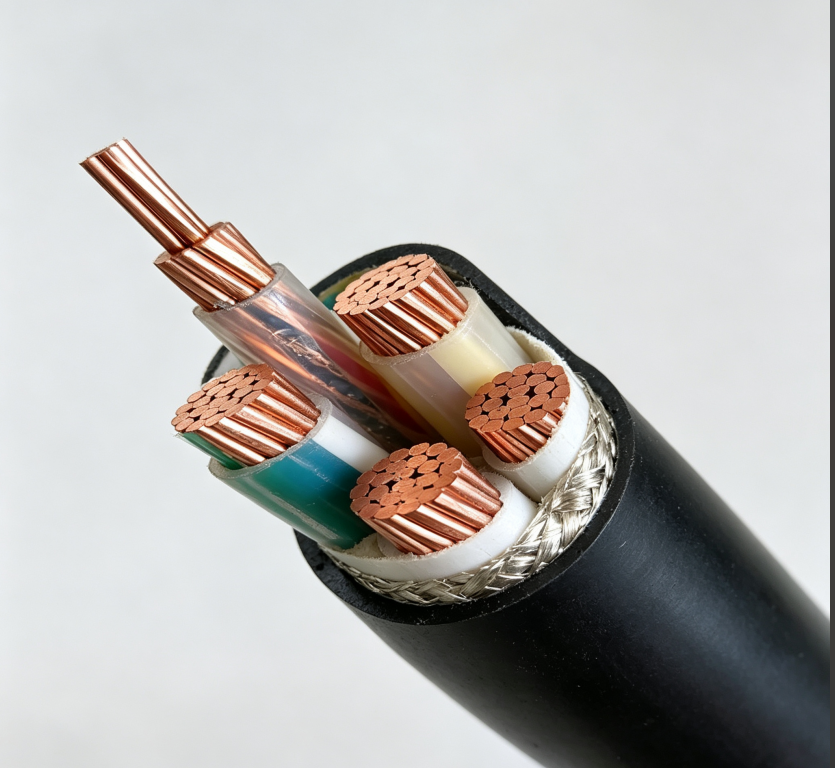
Flame-retardant computer and instrumentation cables are available with copper or tinned copper conductors, with conductor construction selected according to the applicable product specification. Insulated cores may be twisted into pairs with suitable lay lengths to help reduce electromagnetic interference and support reliable signal transmission.
Insulation materials are selected according to the electrical, mechanical and environmental requirements of the application. Individual pair shielding, overall shielding or combined shielding structures are available according to customer specifications and project requirements.
The outer sheath is made of flame-retardant PVC or other suitable compounds, including low-smoke zero-halogen (LSZH) materials where specified. The cable construction is designed to provide mechanical protection, structural stability and reliable performance in industrial instrumentation and control applications.
Flame-retardant computer and instrumentation cables are designed to provide reliable electrical performance for industrial signal transmission and control applications. Conductor resistance, insulation resistance, capacitance and other electrical characteristics are determined by the conductor size, insulation material and cable construction, in accordance with the applicable product specifications.
Individual pair shielding and/or overall shielding can be provided to help reduce electromagnetic interference and support stable transmission of low-level analogue and digital signals in industrial environments. Cable construction and shielding arrangements can be selected according to the electrical characteristics and electromagnetic compatibility requirements of the application.
Flame-retardant insulation and sheath materials help limit flame propagation along cable routes when tested according to the specified flame-retardant requirements. These properties contribute to improved fire safety in industrial installations but do not imply circuit integrity during fire exposure.
Xinyu flame-retardant computer and instrumentation cables are manufactured according to applicable product specifications and customer technical requirements. Relevant reference standards include GB/T 3956 and IEC 60228 for cable conductors, GB/T 19666 for general flame-retardant requirements, and the GB/T 18380 and IEC 60332 series for flame propagation testing, as applicable to the specified cable design.
Cable construction, shielding arrangements, electrical characteristics and flame-retardant classifications can be specified according to project requirements. Applicable standards, test methods and supporting technical documentation are confirmed based on the selected product model and customer specifications.