+852-68552081


 Language

 English
 русский
 Español
 عربى

Home / News / Industry News / Single‑Core XLPE‑Insulated Cables: Selecting the Appropriate Cable Construction
New

Content
A client request for “single‑core XLPE‑insulated cables” does not represent a complete cable specification. Two cables may both feature XLPE insulation yet differ in conductor cross‑section, sheath construction, armouring, screening, voltage rating and installation suitability. These differences directly influence cable selection, installation practices and technical evaluation during procurement.
For buyers sourcing single‑core XLPE‑insulated cables for distribution projects, the step is to define electrical requirements and installation conditions. The second step is to match these requirements to actual cable construction, rather than selecting a model based merely on product names or pricing.
This guide outlines key considerations when comparing low‑voltage non‑armoured cables, AWA‑armoured cables and screened single‑core designs used within medium‑voltage systems.
Start by clarifying system voltage and the functional role the cable will perform within the power network. Structural details differ between 0.6/1 kV low‑voltage feeder cables and medium‑voltage distribution cables. Notably, medium‑voltage designs incorporate additional electric‑field stress‑control layers and screens, components not found in basic Cu/XLPE/PVC low‑voltage cables.
Xinyu’s product portfolio includes 0.6/1 kV single‑core XLPE‑insulated non‑armoured cables, 0.6/1 kV single‑core Cu/XLPE/PVC/AWA/PVC armoured cables, and single‑core variants within its medium‑voltage XLPE cable series. These products address distinct system requirements and should be assessed separately.
Prior to issuing an enquiry, provide rated voltage, system frequency, conductor material, cross‑sectional area, core count, applicable standards and project location. Where project specifications reference established cable designation codes, share the full designation and corresponding data sheets.
For Xinyu’s 0.6/1 kV single‑core range, two constructions warrant comparison: the Cu/XLPE/PVC non‑armoured cable and the Cu/XLPE/PVC/AWA/PVC armoured cable.
This Xinyu product employs Class 2 stranded copper conductors (stranded copper conforming to IEC 60228), either circular stranded or compacted, XLPE insulation and a PVC outer sheath, rated at 0.6/1 kV. It is intended for fixed‑installation distribution applications. Product documentation lists suitable environments including indoor and outdoor locations, cable tray, conduit and direct‑buried installation. Actual suitability for a given route still requires cross‑checking against project specifications and site‑specific installation conditions.
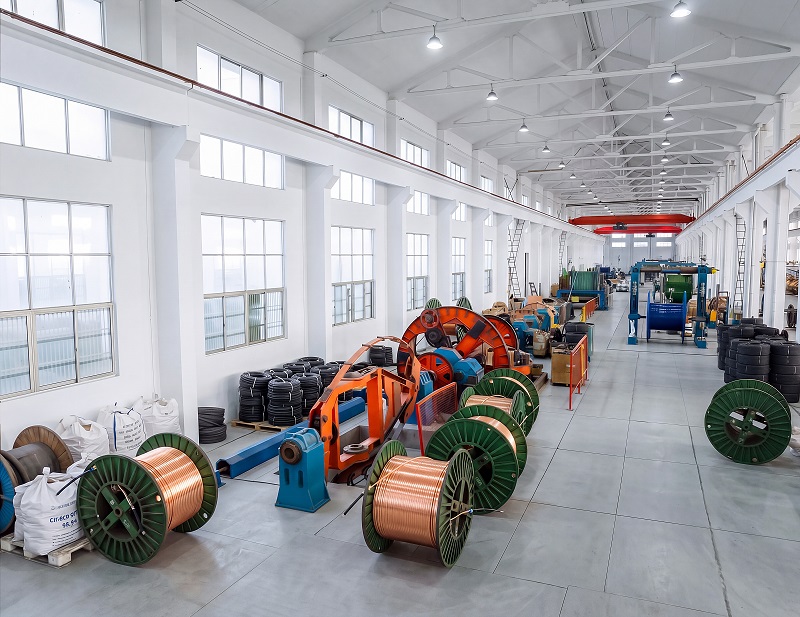
Xinyu’s single‑core AWA‑armoured design adds a PVC inner sheath, aluminium‑wire armouring (AWA), binder tape and PVC outer sheath over the insulated core. The aluminium‑wire armouring delivers supplementary mechanical protection for low‑voltage main feeder circuits and routes requiring additional physical safeguarding, including direct‑buried installations permitted by relevant specifications.
For single‑core alternating‑current circuits, armouring material forms part of the electrical design consideration. Aluminium‑wire armouring is non‑magnetic and commonly specified for single‑core AC armoured cables. This avoids extra heating effects that can arise when ferromagnetic steel armouring encloses a single AC‑carrying conductor. Final armouring and earthing arrangements should be validated by the project‑responsible engineer.
Non‑armoured and AWA‑armoured cables are not interchangeable. Prior to selection, evaluate routing conditions, risk of mechanical damage, installation methodology, cable cleating arrangements, earthing requirements and applicable project standards.
A complete cable specification defines each structural layer and its associated material. For Xinyu’s documented 0.6/1 kV single‑core non‑armoured cable, the listed construction reads:
‑ Conductor: plain‑annealed copper, Class 2, circular stranded or compacted ‑ Insulation: cross‑linked polyethylene (XLPE) ‑ Outer sheath: PVC compound complying with PVC/ST2
For the 0.6/1 kV single‑core AWA‑armoured variant, the above build is extended with a PVC inner sheath, aluminium‑wire armouring, binder tape and PVC outer sheath. Confirm exact layer sequencing and material requirements against product data sheets and project standards.
XLPE is selected for its insulating properties and its capacity to sustain higher operating conductor temperatures compared with conventional PVC insulation under relevant design conditions. Nevertheless, current‑carrying capacity is not determined by insulation material alone. Conductor cross‑section, installation method, ambient conditions, multi‑cable grouping, soil thermal resistivity and other correction factors all shape achievable current‑carrying performance.
For medium‑voltage single‑core cables, copper‑tape screening must not be treated as an optional form of armouring; it constitutes an essential electrical‑design component. Xinyu’s medium‑voltage cable documentation describes designs built with copper conductors, XLPE insulation, semiconducting screens, copper‑tape metallic screens and PVC outer sheaths. Verify voltage rating and full layered construction via dedicated medium‑voltage product documentation.
Cable construction becomes more complex for medium‑voltage applications. Semiconducting conductor and insulation screens help manage electric‑field distribution around the conductor and XLPE insulation. Metallic screens such as copper tape represent another distinct element within the cable build.
Xinyu’s medium‑voltage XLPE cables cover voltage classes 3.6/6(7.2) kV, 6/10(12) kV, 12/20(24) kV and 18/30(36) kV, offered in both single‑core and multi‑core configurations. These voltage classes cannot substitute for one another. Appropriate selection depends on the network’s operating‑voltage parameters, earthing practice, fault level and applicable standards.
When preparing medium‑voltage enquiries, state rated voltage Uo/U(Um), conductor cross‑section, conductor material, screening requirements, short‑circuit conditions, installation practice and requested test documentation. Request written confirmation from the cable manufacturer that the offered cable construction aligns with the project’s electrical design.
Even where a cable meets published electrical ratings on paper, site‑specific installation conditions may render it unsuitable. Prior to order placement, assess the following points:
For example, Xinyu’s published figures for its 0.6/1 kV single‑core non‑armoured cable reference a bending‑radius guideline of eight times the overall cable diameter, a pulling‑tension value of 50 N/mm² and a 3.5 kV, five‑minute withstand test. These values apply only to that specific documented product and should not be transferred automatically to other cable constructions or voltage grades. Always reference the current product data sheets alongside project requirements.
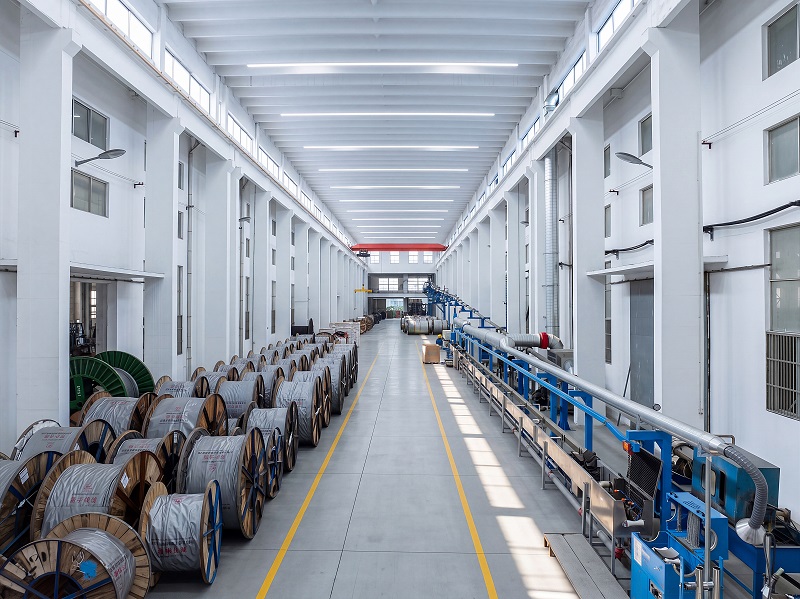
A comprehensive request for quotation enables manufacturers to identify the correct cable construction and minimise unnecessary iterations during technical review. Include all confirmed information as listed below:
‑ Rated voltage and applicable cable standards ‑ Conductor material, conductor class and cross‑sectional area ‑ Number of single‑core units and required cable length per reel ‑ Insulation and sheath materials ‑ Armouring type (if needed), plus screening or earthing‑connection requirements ‑ Installation method, routing conditions and service‑environment details ‑ Required electrical testing, inspection documentation and marking specifications ‑ Delivery location, requested delivery timeline and packaging requirements
Where some technical parameters remain unresolved, supply project voltage, load data, routing information and installation‑condition descriptions. Cable manufacturers can evaluate available information and flag points requiring clarification ahead of formal quotation preparation.
Wuxi Xinyu Cable Co., Ltd. has manufactured wires and cables since 1996. Its portfolio spans low‑voltage and medium‑voltage power cables, including single‑core XLPE‑insulated non‑armoured designs, AWA‑armoured variants and copper‑tape‑screened medium‑voltage XLPE constructions.
This breadth of product lines offers overseas buyers a practical reference point for comparing alternative cable constructions sourced from one manufacturer. Xinyu’s published product documentation defines conductor, insulation, sheath, armouring or screening arrangements, voltage ratings and referenced standards. Buyers can draw on this information to build thorough enquiries and seek manufacturer validation against project requirements.
Instead of proceeding with brief descriptive specifications, share technical data sheets or project requirements with Xinyu. Its engineering team can clarify relevant cable constructions and prepare quotations based on specified voltage rating, conductor cross‑section, quantity and installation‑related parameters.
Suitability depends on cable construction and project‑specific requirements. Xinyu’s product notes reference direct‑buried application for its 0.6/1 kV single‑core non‑armoured and AWA‑armoured cables. Nevertheless, review routing conditions, necessary mechanical protection, sheath fitness‑for‑purpose and governing specifications before final selection.
Aluminium‑wire armouring uses non‑magnetic material. This mitigates additional magnetic‑loss heating effects associated with ferromagnetic steel armouring surrounding a single AC‑carrying conductor. Project‑responsible engineers should confirm final armouring design and earthing schemes.
At minimum, supply rated voltage, conductor material and cross‑section, cable construction, applicable standards, order quantity, required reel lengths and delivery location. Installation methodology and service‑environment data also assist manufacturers in reviewing the proposed construction.
Are you procuring 0.6/1 kV single‑core XLPE cables or screened single‑core cables for medium‑voltage projects? Send cable specifications, order quantities and installation‑related details to Xinyu. Its team will review your required construction and provide product information and commercial quotations for your project.
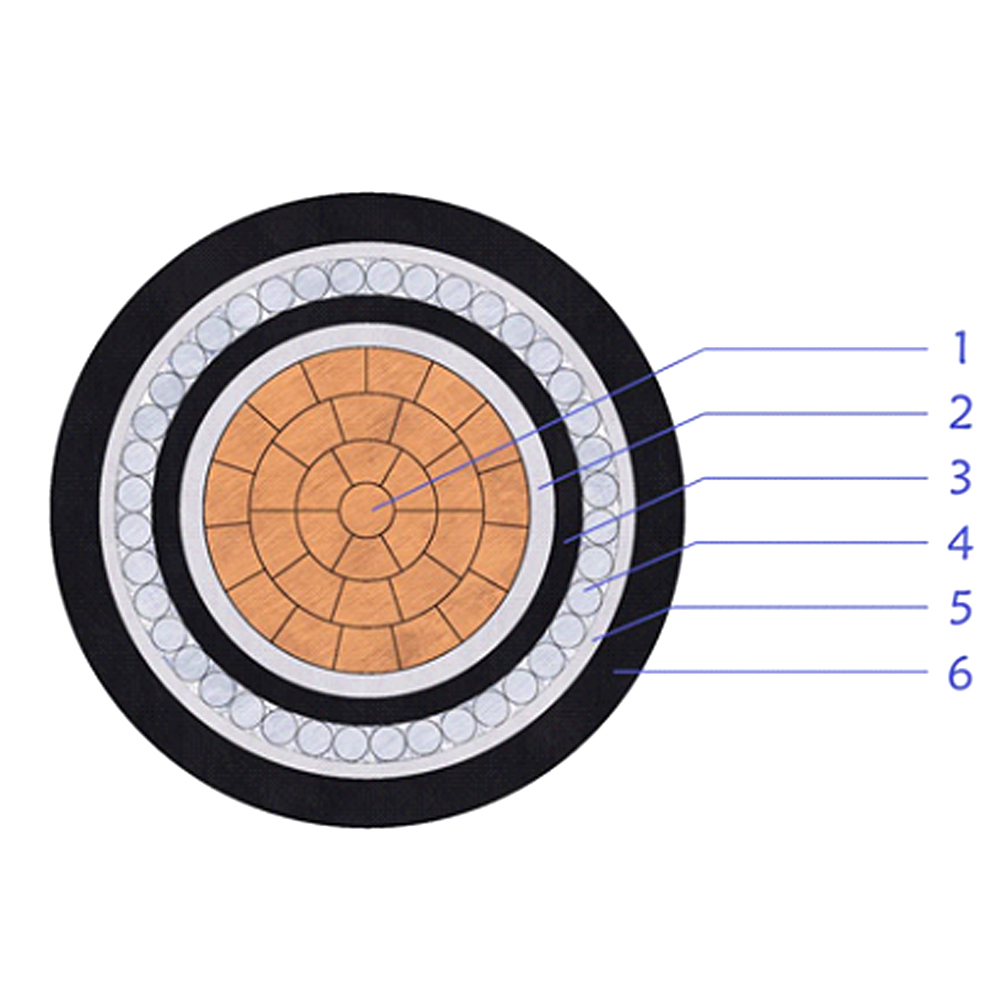
This cable is used as a main power feeder in low-voltage distribution networks. ......
+ VIEW MORE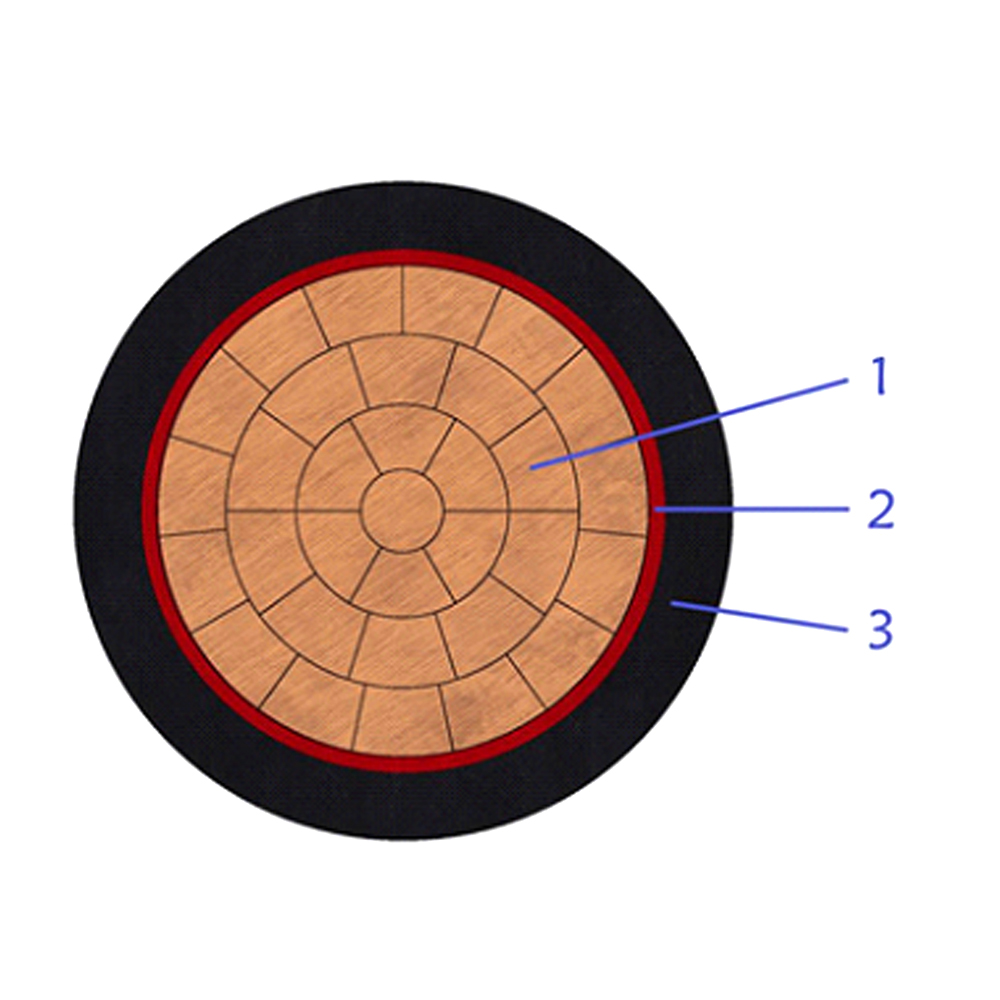
This single-core XLPE insulated PVC sheathed cable is ideal for low-voltage powe......
+ VIEW MORE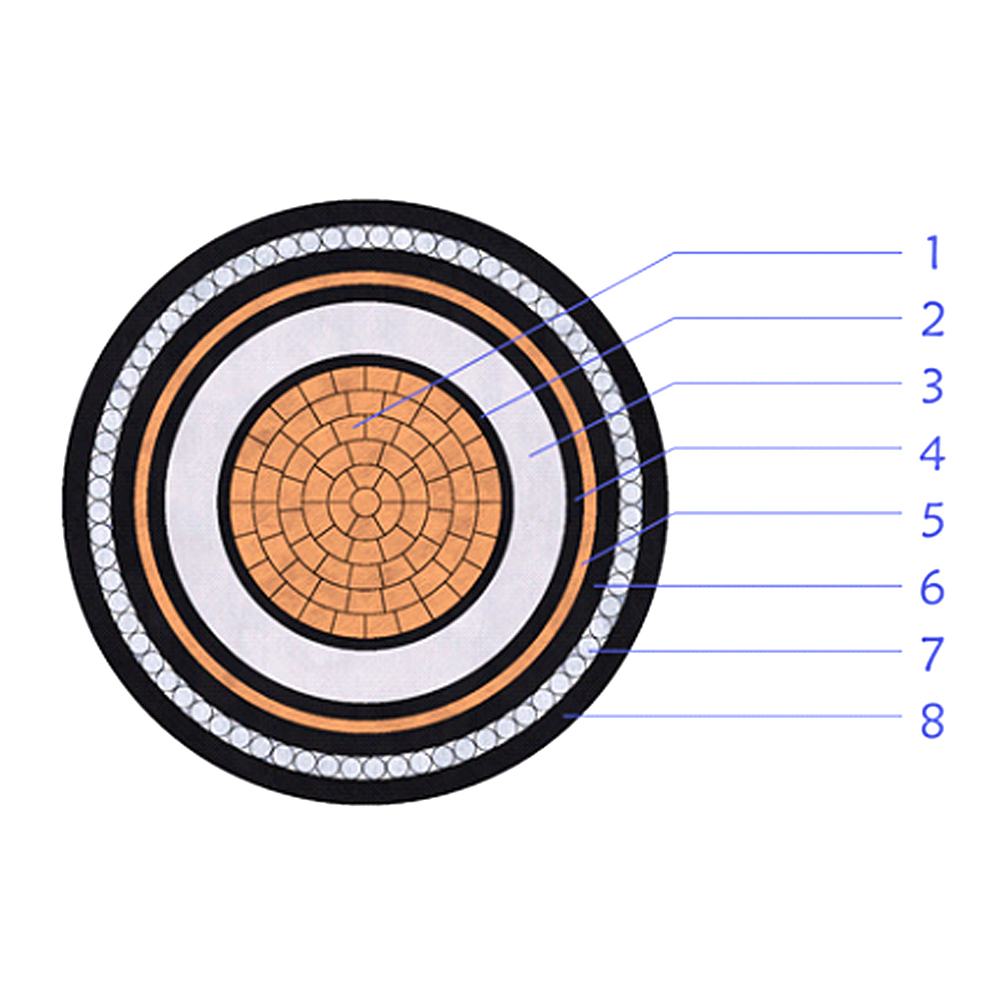
This 3.6/6(7.2)kV medium voltage power cable is designed with a copper conductor......
+ VIEW MORE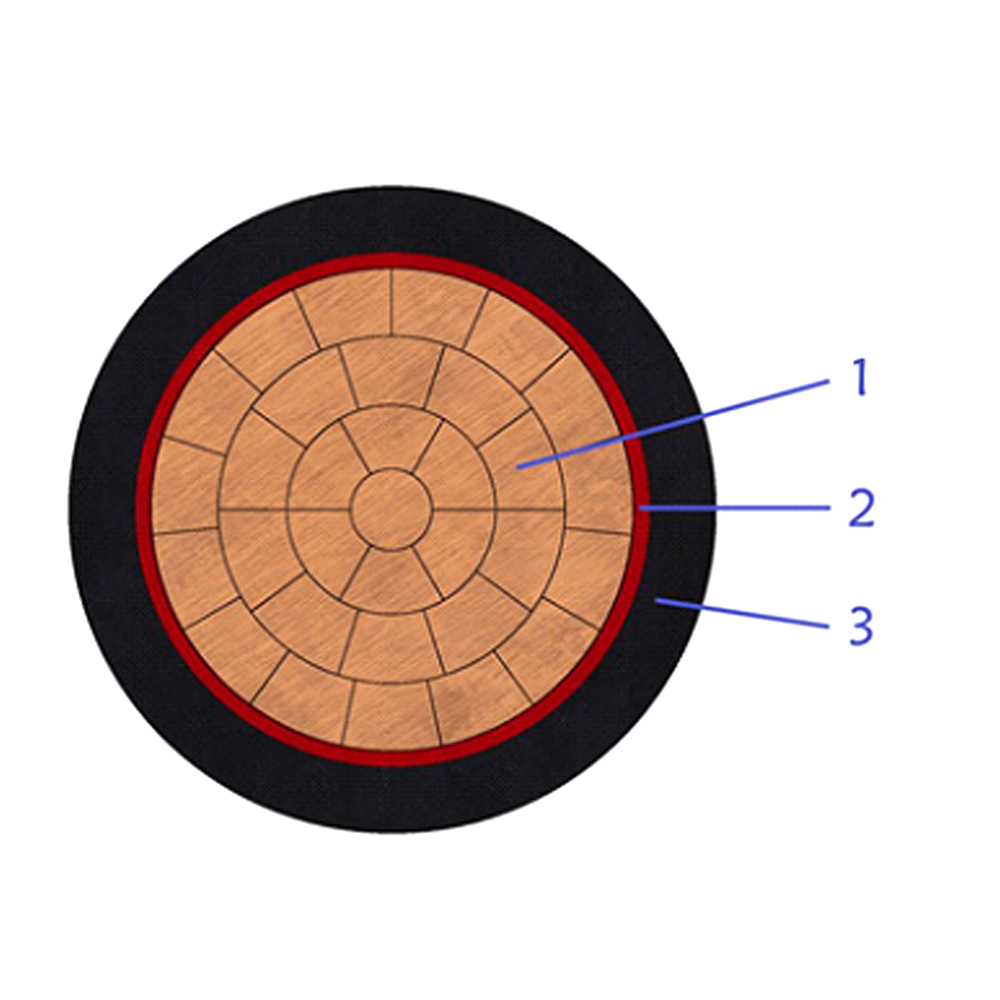
This single-core CU/PVC/PVC cable is designed for low-voltage power transmission......
+ VIEW MORE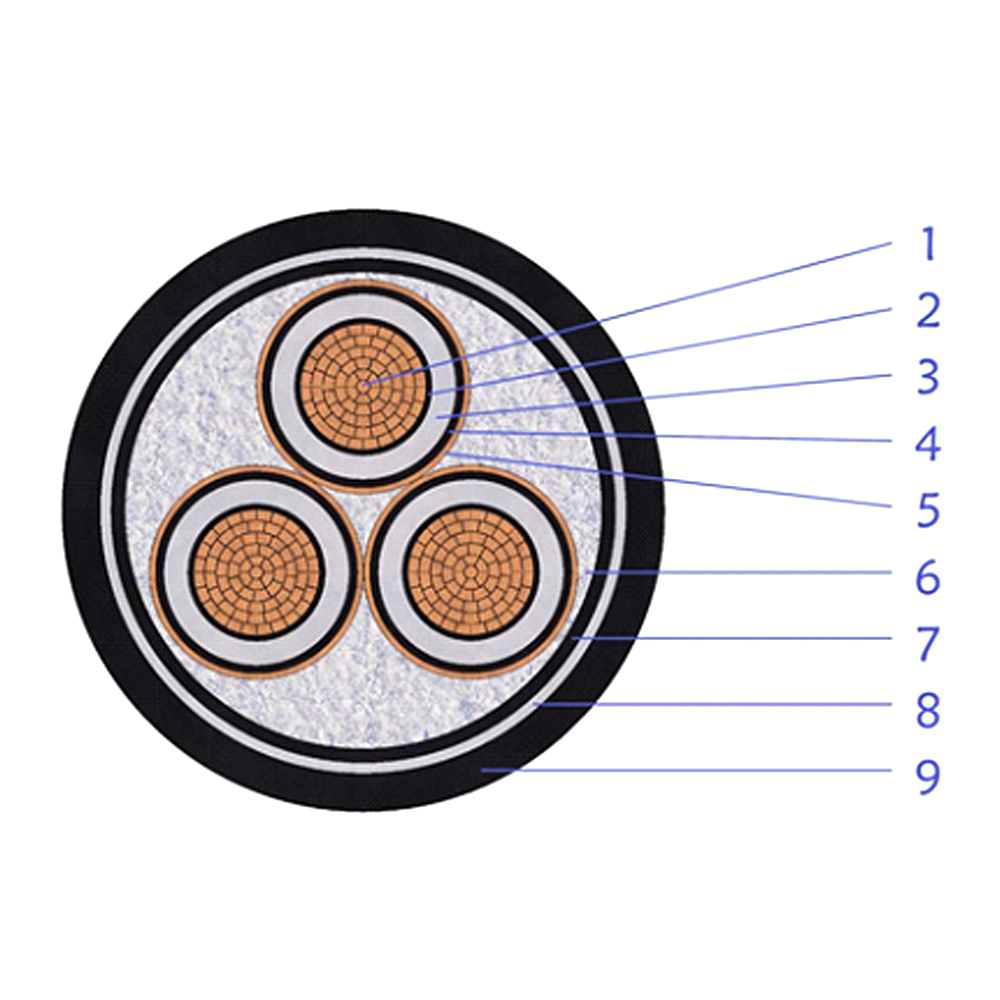
This 8.7/15kV multi-core power cable is constructed with compacted copper conduc......
+ VIEW MORE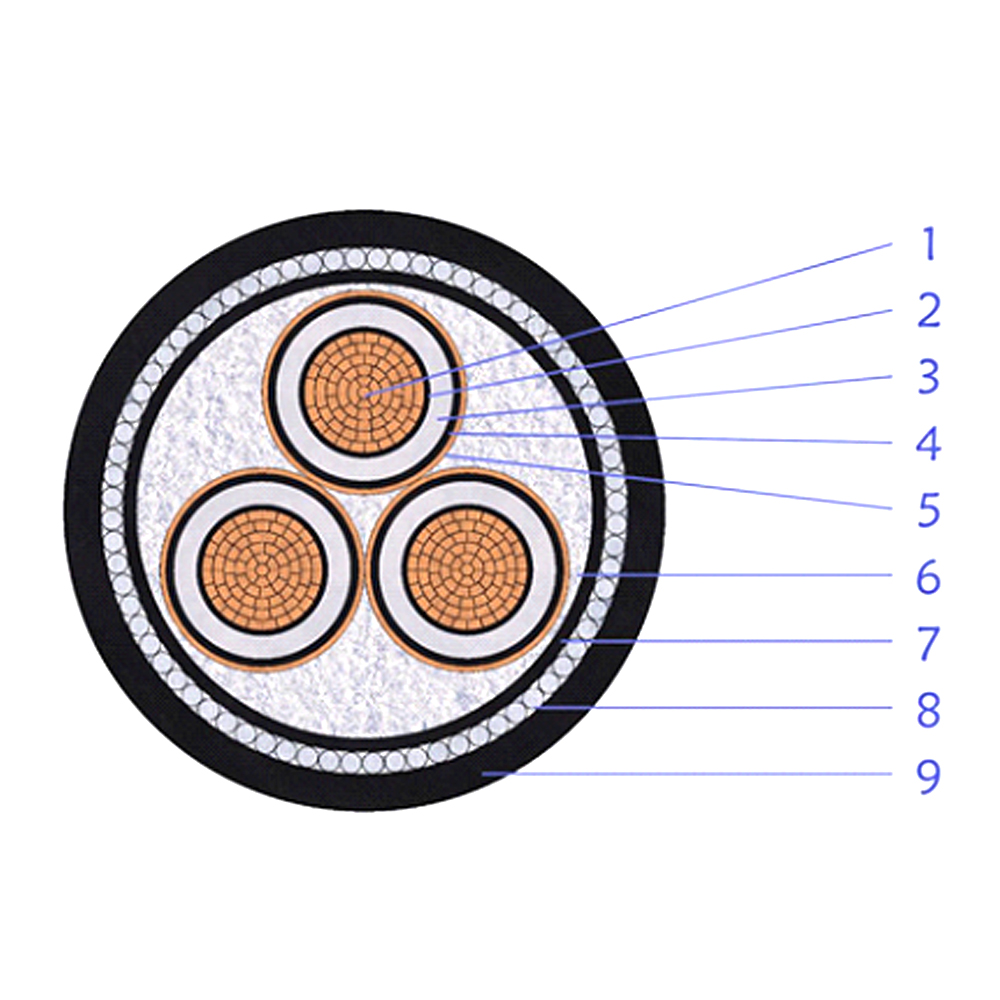
CU/XLPE/CTS/PVC/SWA/PVCThis multi-core medium-voltage power cable features XLPE ......
+ VIEW MORE
Ready To Customise
Your Cable Products?