+852-68552081


 Language

 English
 русский
 Español
 عربى

Home / News / Industry News / How Photovoltaic Cable Manufacturers Support Projects from Design to Delivery
New

Content
Photovoltaic projects are measured in megawatts, yet their success hinges on individual strings. In many projects, photovoltaic cable manufacturers are brought in at a late stage — often after modules have been selected and inverter specifications finalised. It is only then that stakeholders realise DC cables must operate outdoors for twenty-five years with virtually no maintenance opportunities.
This late-stage engagement is a mistake. Cables have an impact on voltage drop, array layout, trenching scope of work, and the documentation package required by clients upon hand-over. This article follows the dialogue that a qualified photovoltaic cable manufacturer should conduct with the EPC team, from the initial design enquiry through to the final cable drum delivery.
The starting point is not a cable catalogue, but a set of questions about the system:
A manufacturer that offers a single cable model in response to these questions does not understand the project. In contrast, a manufacturer that raises these questions in return focuses on real-world installation rather than merely securing an order.
For photovoltaic cables, EN 50618 and IEC 62930 are widely-accepted benchmarks for international projects. They specify cables with cross-linked insulation and sheaths, tinned-copper conductors, and a design service life linked to operating temperatures on rooftops or in field-based installations.
Practical implications matter more than certificates alone:
|
Requirement |
Why it matters on-site |
|
Tinned-copper conductor |
Resists corrosion at termination points in humid climates |
|
Cross-linked insulation and sheath |
Maintains stability under sustained high temperatures and solar radiation |
|
Ozone and ultraviolet resistance |
Protects cables exposed on mounting structures |
|
Temperature rating |
Defines current-carrying capacity under load and in hot-climate conditions |
|
1.5 kV DC rating |
Required for modern high-voltage string designs |
Request test reports from your photovoltaic cable manufacturer to substantiate every performance claim. A single line in a data sheet is not equivalent to a type-test report; only the latter constitutes valid evidence.
Xinyu Cable supplies photovoltaic cables certified for regional-market requirements. Featuring tinned-copper conductors and cross-linked compounds, its products suit both DC and AC photovoltaic applications. Drawing on experience supplying State Grid Corporation of China, the company has developed a documentation-management system well-adapted for large-scale ground-mount photovoltaic projects.
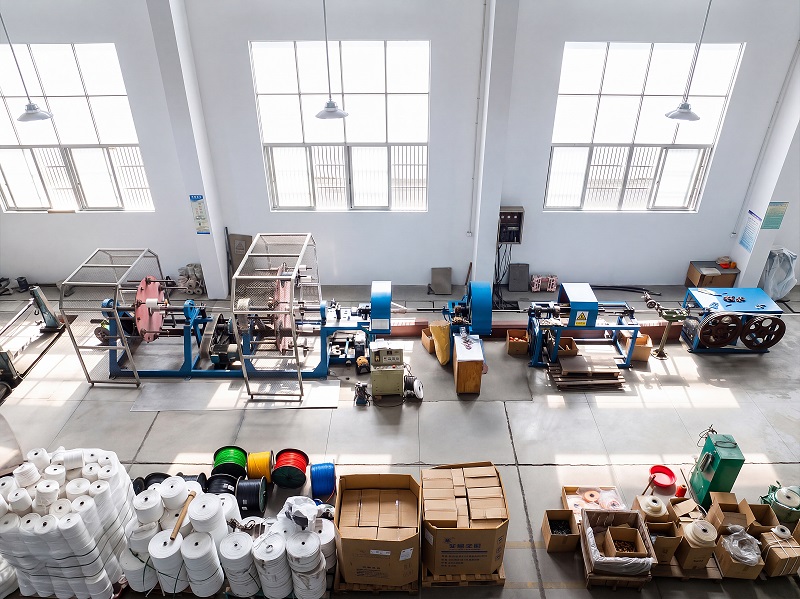
Down-sizing a conductor by one gauge saves marginal cost per metre, yet creates problems during commissioning: cables run hotter than anticipated, voltage drop exceeds design margins, and inverters trigger faults that appear to stem from equipment rather than cabling.
Sizing discussions should cover four key aspects:
Suppliers who quote conductor cross-section without enquiring about installation conditions are providing a numerical figure, not an engineered solution.
Large ground-mount projects seldom operate efficiently with standard drum lengths. Distances between string positions and inverters determine required cut lengths. Every extra metre of cable incurs costs twice: once at procurement, and again when coiled and stored on-site.
Key topics for early-stage discussion:
Manufacturers with in-house production lines can integrate these requirements into production scheduling; distributors, by contrast, must negotiate with third-party factories.
The final project phase centres on documentation packages. Clients and lending institutions increasingly require supporting evidence prior to acceptance.
A complete manufacturer-supplied documentation package shall include:
Confirm document formats before production commences. Delays caused by submitting documentation in unusable formats at project completion bear no relation to cable product quality.
Providing the following information enables faster, more accurate quotations:
|
Information |
Why manufacturers require it |
|
System voltage and string current |
Determines insulation class and conductor cross-section |
|
Applicable standards and target market |
Defines cable construction and testing sequences |
|
Installation method and ambient temperature |
Determines derating factors and sheath selection |
|
Required cut-to-length dimensions and drum-handling plan |
Guides production scheduling and transportation arrangements |
|
Marking and documentation specifications |
Governs labelling and test-record deliverables |
When you submit enquiries with these detailed parameters, you will receive quotations describing project-specific cables instead of generic catalogue products.
If you are designing a photovoltaic array and seeking a photovoltaic-cable manufacturer capable of supporting you from string layout through to hand-over documentation, Xinyu Cable delivers support for cable sizing, construction selection and project-specific documentation. Submit your system parameters for a custom-tailored quotation.
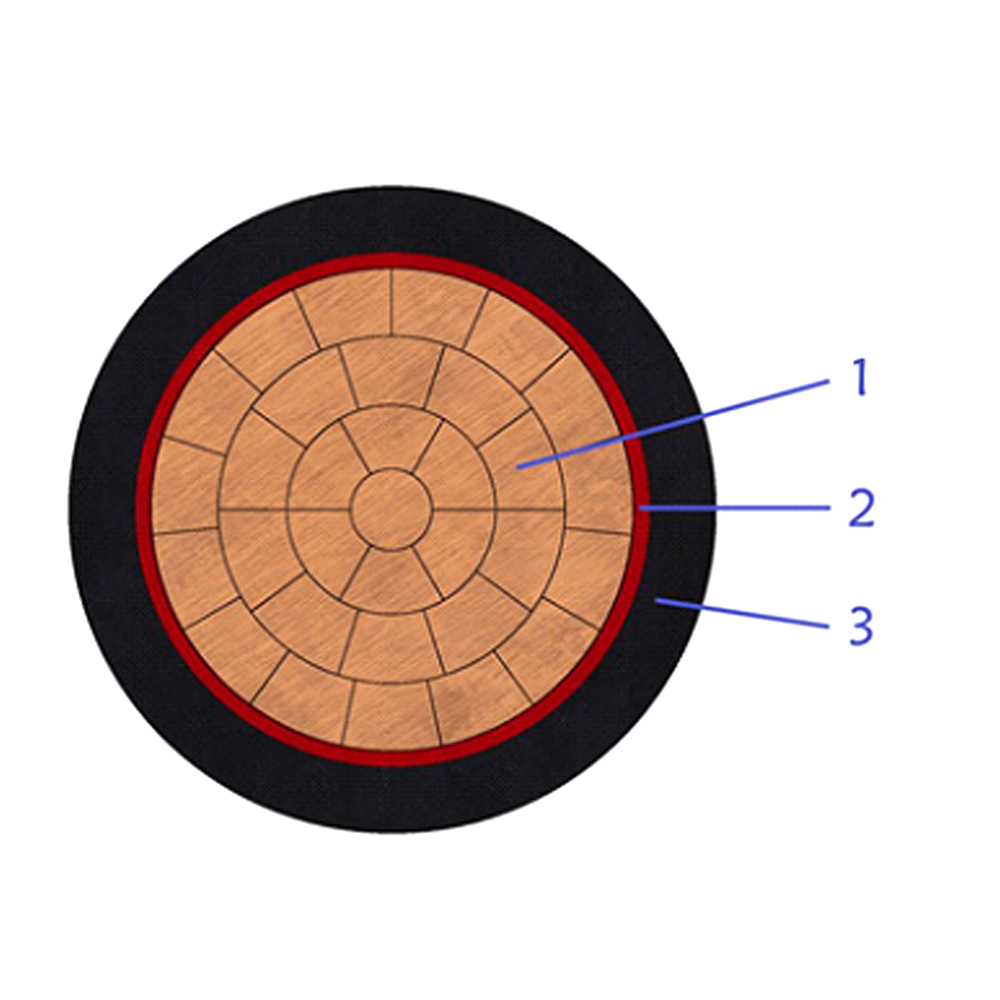
This single-core CU/PVC/PVC cable is designed for low-voltage power transmission......
+ VIEW MORE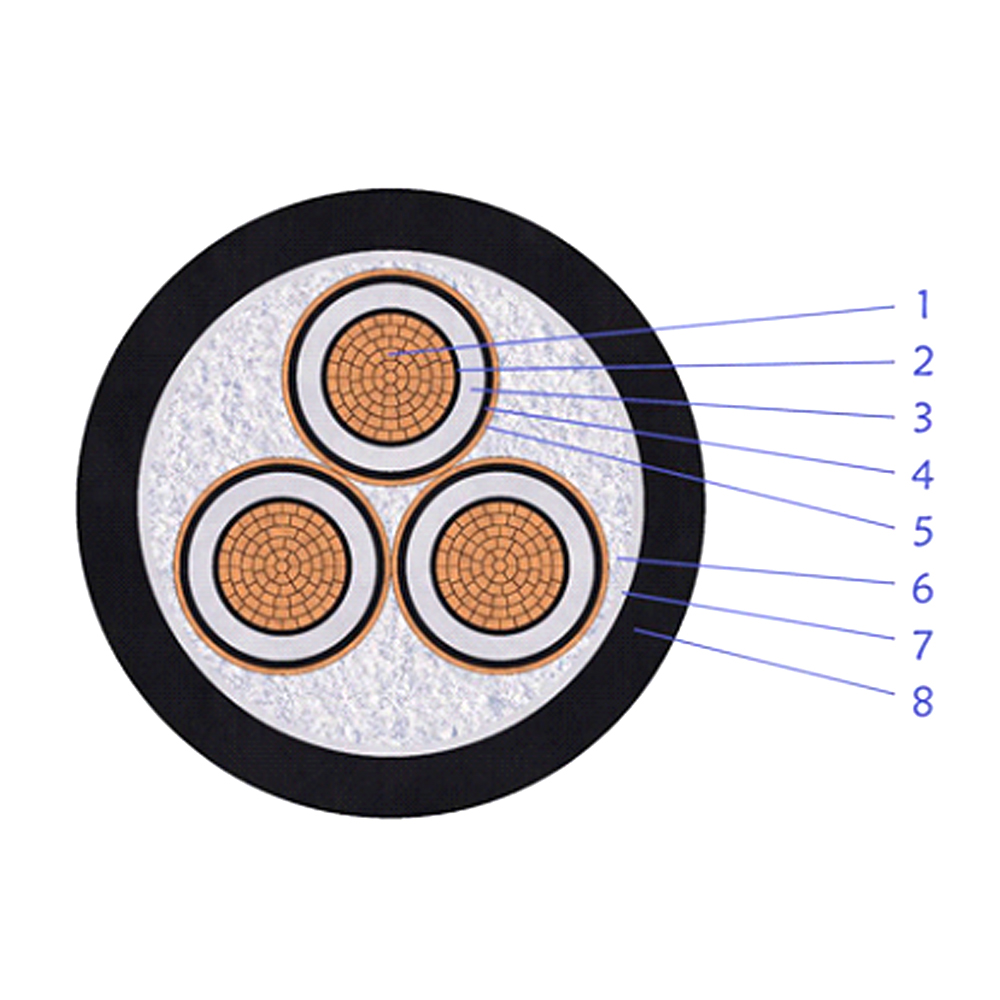
This multi-core XLPE insulated unarmored power cable is designed for medium volt......
+ VIEW MORE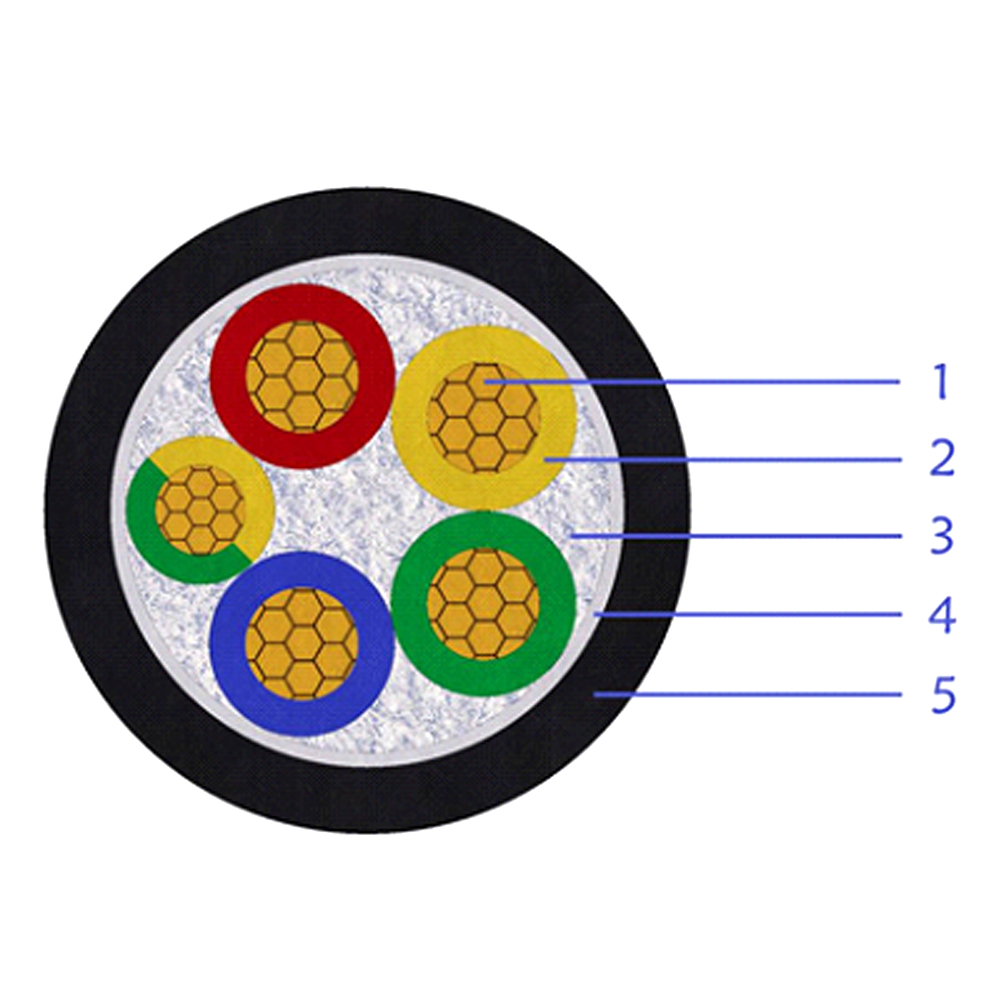
The multi-core CU/PVC/PVC cable is engineered for low-voltage distribution where......
+ VIEW MORE
This 3.6/6(7.2)kV medium voltage unarmored power cable is designed for fixed ins......
+ VIEW MORE
This multi-core XLPE insulated unarmored power cable is designed for medium volt......
+ VIEW MORE
This 6/10(12)kV XLPE insulated unarmored power cable is intended for medium volt......
+ VIEW MORE
Ready To Customise
Your Cable Products?