+852-68552081


 Language

 English
 русский
 Español
 عربى
عربى
Home / News / Industry News / 4 AWG Wire to mm2: Exact Conversion, Ampacity and Metric Equivalent Sizes
New

Content
4 AWG wire is 21.15 mm² of nominal conductor area. That is the number worth remembering. The nearest metric size that most factories actually stock is 25 mm², which carries roughly 18 percent more copper than the AWG original. Two values, two different conductors, and a surprising amount of confusion between them. Matching an American drawing to a metric bill of materials takes ten seconds with the formula; deciding whether the 25 mm² substitute is electrically and mechanically acceptable takes longer.
This guide gives the exact figures, the diameter and resistance behind them, and the practical checks that keep a conversion from turning into a rework order on site.
The AWG system defines diameter, not area, so the conversion runs in two steps. Diameter in millimeters is 0.127 × 92^((36 − n)/39), where n is the gauge number. For n = 4 that gives 5.189 mm. Turning that into a circle gives 21.15 mm².
A direct formula also exists: area (mm²) = 0.012668 × 92^((36 − n)/19.5), and it returns the same 21.15 mm². Both values describe an ideal solid round conductor. A stranded 4 AWG conductor has the same nominal area, even though its measured outside diameter is slightly larger because of the stranding.
| AWG | Nominal area (mm²) | Conductor diameter (mm) | Nearest IEC size (mm²) |
|---|---|---|---|
| 8 | 8.37 | 3.26 | 10 |
| 6 | 13.30 | 4.11 | 16 |
| 4 | 21.15 | 5.19 | 25 |
| 2 | 33.62 | 6.54 | 35 |
| 1 | 42.41 | 7.35 | 50 |
| 1/0 | 53.49 | 8.25 | 50 |
Notice the rounding pattern. Metric conductors step up in 1.5, 2.5, 4, 6, 10, 16, 25, 35 and 50 mm² increments, so conversions rarely land on a stocked size. 4 AWG is one of the cases where the gap is wide enough to matter: 21.15 mm² is about 15 percent smaller than 25 mm² and about 32 percent larger than 16 mm².
AWG is a logarithmic scale. Every three gauge steps halves or doubles the cross-sectional area, every six steps changes it by a factor of four, and ten steps changes it by a factor of ten. Metric sizes are linear and fixed, so the two systems only meet by coincidence at particular points.
The practical consequence is that converting 4 AWG to mm² with a single multiplication never works. Rules of thumb such as subtracting a fixed number or multiplying the gauge produce errors of tens of percent at larger sizes, which is exactly where the cost of that error is highest.
Area is also not ampacity. A 4 AWG copper conductor is commonly listed at 85 A under a 75 °C conductor rating in NEC 310.16, but that figure assumes a specific insulation, ambient temperature and installation method. IEC ampacity tables use different reference conditions, so a 25 mm² cable rating cannot be copied across without rechecking installation method, grouping and air or soil conditions in the applicable table.
Swapping a 21.15 mm² conductor for a 25 mm² one sounds like free safety margin. Mechanically, it is a different cable.
The reverse substitution is the one that causes failures. Fitting 16 mm² where the drawing specifies 4 AWG cuts the cross-section by about 24 percent and raises resistance accordingly, which appears as excessive voltage drop at the load and, under continuous duty, as insulation temperatures above the design value.
A 4 AWG conductor is rarely solid. It is usually stranded with 7, 19 or 37 wires, and welding cable versions can carry hundreds of fine strands for flexibility. IEC 60228 classifies the same distinction: Class 1 solid, Class 2 stranded, Class 5 flexible and Class 6 extra-flexible.
Two cables advertised as "4 AWG equivalent" can therefore behave very differently. A Class 2 25 mm² conductor is stiff enough for fixed installation in trays, ducts and direct burial. A Class 5 or Class 6 conductor of the same nominal area is built for repeated flexing and needs crimp lugs or ferrules rated for fine-stranded conductors. A standard mechanical lug tightened onto fine strands may pass a bench test and loosen in service.
The size sits in a useful middle band: large enough for serious current, small enough to pull by hand. Typical duties include:
Length is the variable that most often overrides the size. On a 100 m feeder at 60 A in a 240 V system, voltage drop rather than ampacity usually decides whether the final order is 4 AWG, 2 AWG or 35 mm².
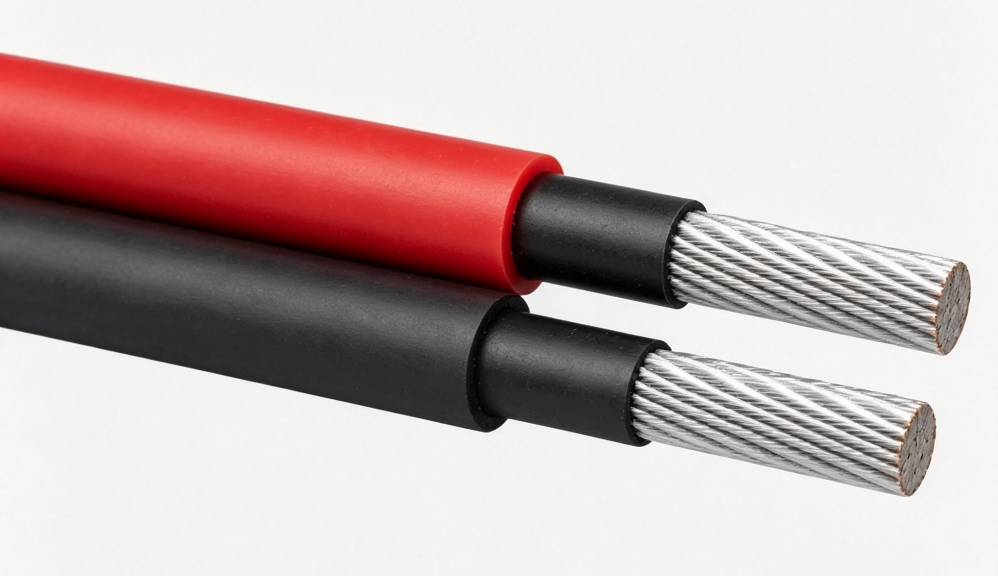 Flexible Single-Core PV Cables for Solar DC ConnectionsView these outdoor-rated photovoltaic cables when planning DC module-to-combiner runs, with flexible tinned copper, XLPO insulation and halogen-free flame-retardant construction.View Product →
Before a metric substitute is written onto an order, these checks resolve most disputes:
For fixed low-voltage installations, a broader LV power cable selection guide is useful for cross-checking sizing data and standards before the order is placed.
A purchase description that avoids ambiguity reads something like this: 0.6/1 kV, 25 mm² copper conductor, Class 2 stranded to IEC 60228, XLPE insulated, PVC sheathed, four core, flame retardant. Add the AWG reference in brackets so the receiving inspector can match the original specification on arrival.
Aluminum deserves extra care. 4 AWG aluminum has a different resistance and ampacity profile from copper, and its metric equivalent is usually quoted as 25 mm² or 35 mm² depending on the application and terminal rating. Never mix the two metals inside one termination without a bimetallic connector.
Working with a manufacturer that builds both insulated power cables and smaller fixed-wiring families makes substitutions easier to document, because conductor class, insulation compound and test standard can be confirmed from one source. Xinyu Cable, for example, has produced electrical wire and cable since 1996 and holds ISO 9001 and ISO 14001 certification, which covers the quality and environmental side of a substitution request rather than just the copper area.
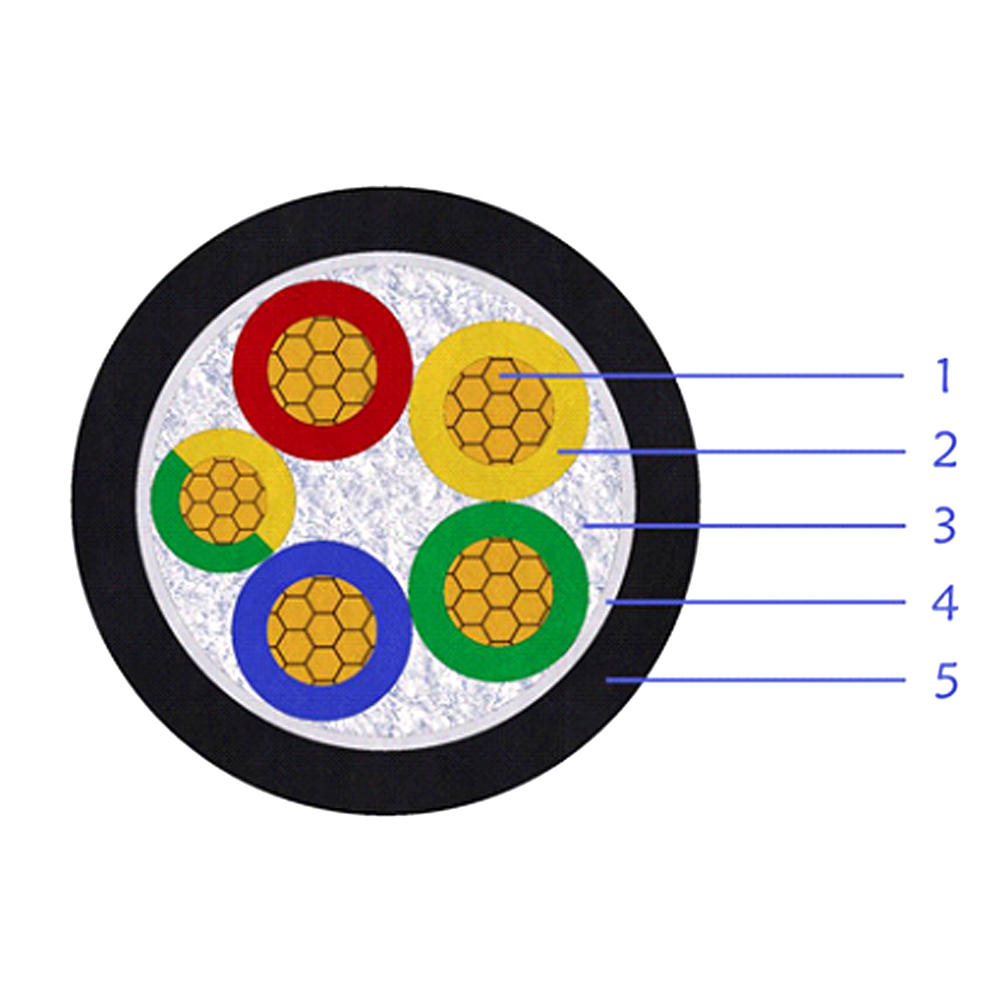 0.6/1kV Multi-Core XLPE PVC Power Cable for Fixed InstallationFor AWG-to-metric substitution planning, review this 2-5 core unarmored cable with Class 2 copper conductors, XLPE insulation and PVC/ST2 sheath.View Product →
4 AWG wire is 21.15 mm², and 25 mm² is the metric size that replaces it in most stocked cable ranges. The two are close enough for many low-voltage feeders and far enough apart to change diameter, weight, resistance, lug selection and conduit fill. Establish the calculated requirement first, write both designations on the drawing, and confirm conductor class and insulation before the drum leaves the factory. That sequence prevents the most expensive outcome in a conversion project: a cable that fits the schedule but not the terminal.
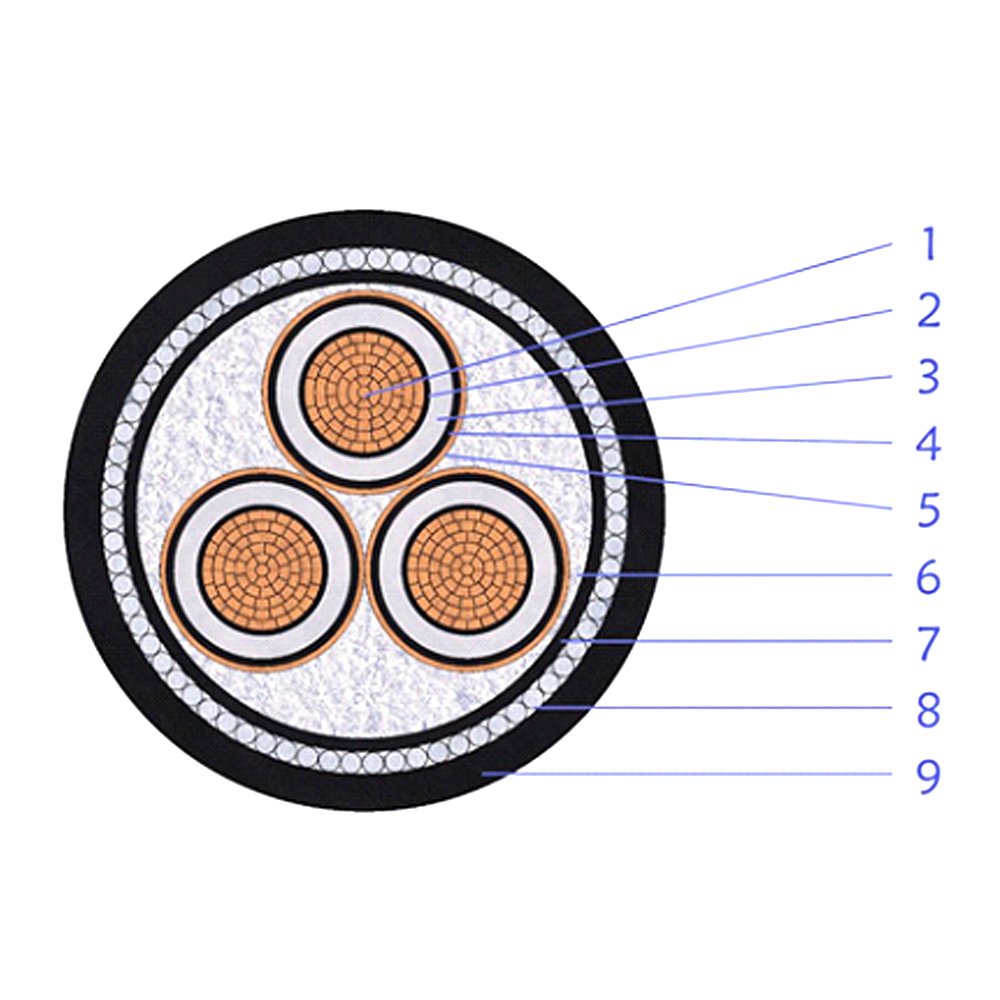
This medium voltage power cable is designed with multi-core copper conductors in......
+ VIEW MORE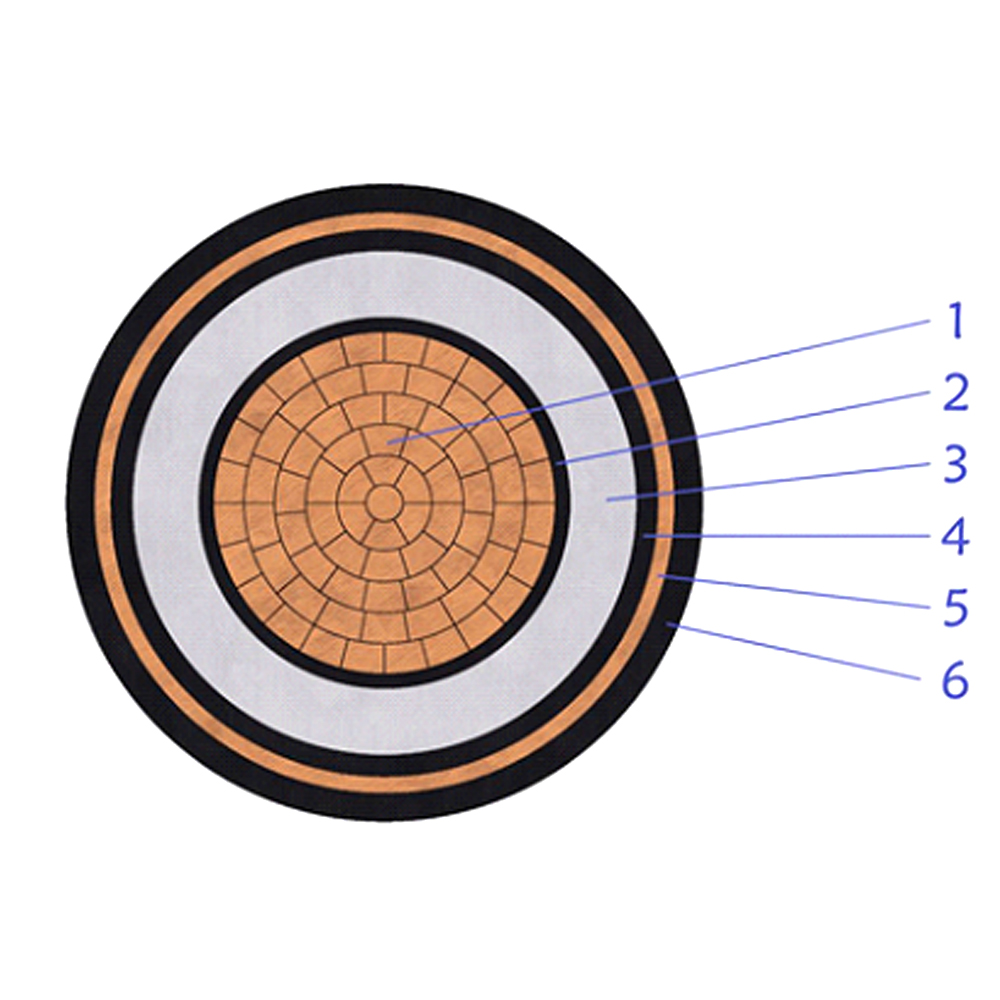
This 12/20(24)kV XLPE insulated unarmored power cable is intended for medium vol......
+ VIEW MORE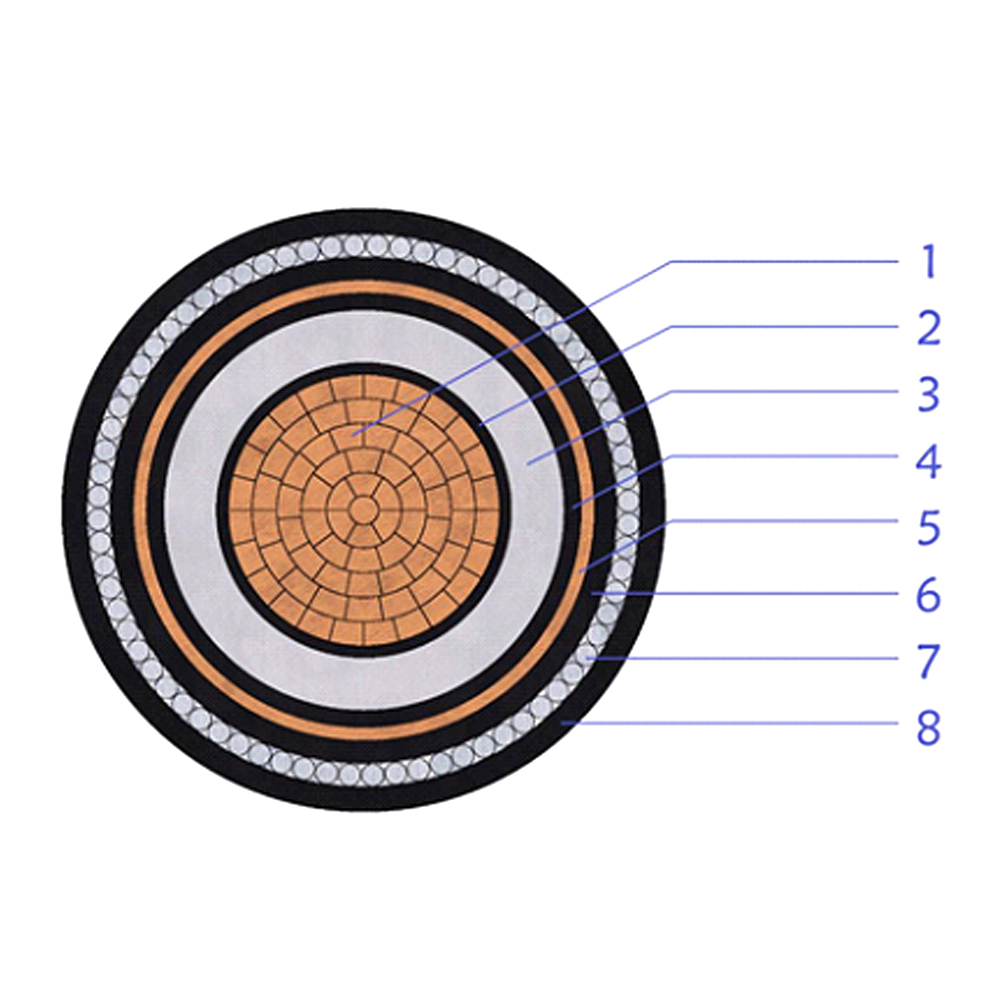
This 12/20(24)kV power cable is designed for higher medium voltage applications,......
+ VIEW MORE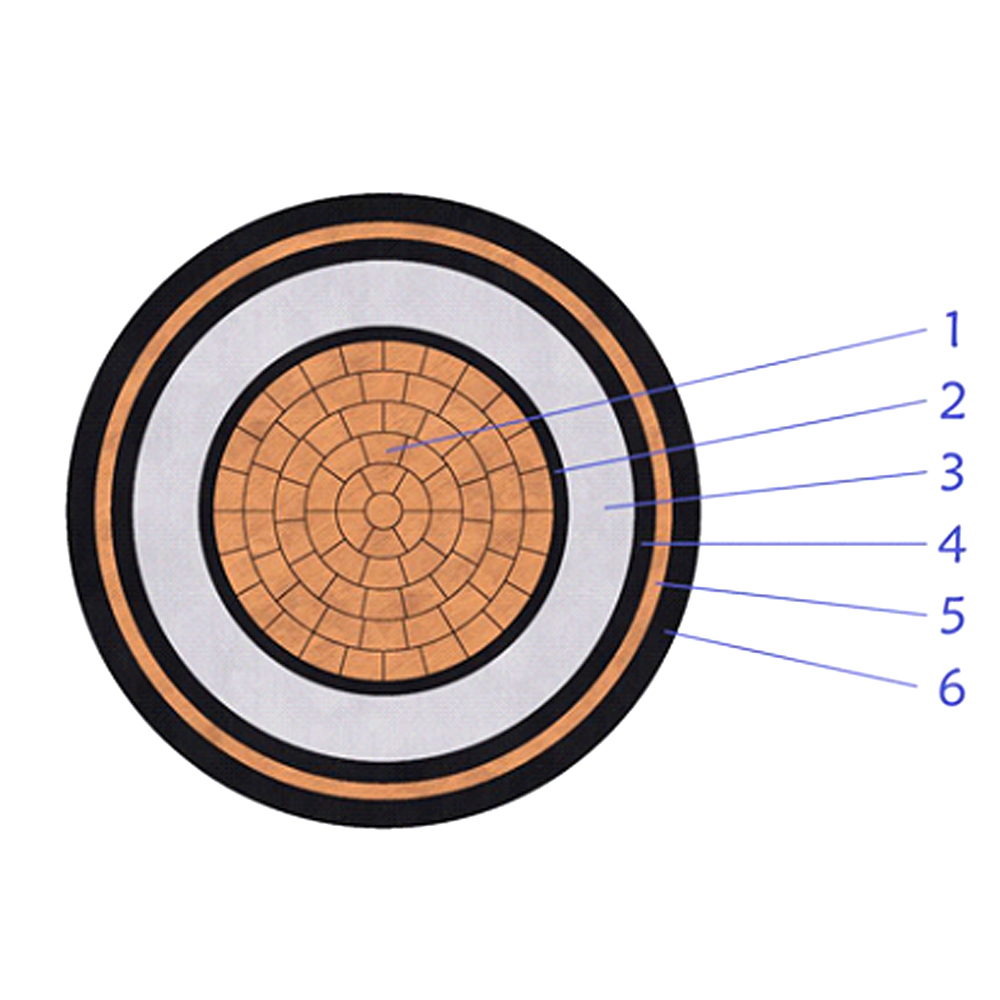
This 3.6/6(7.2)kV medium voltage unarmored power cable is designed for fixed ins......
+ VIEW MORE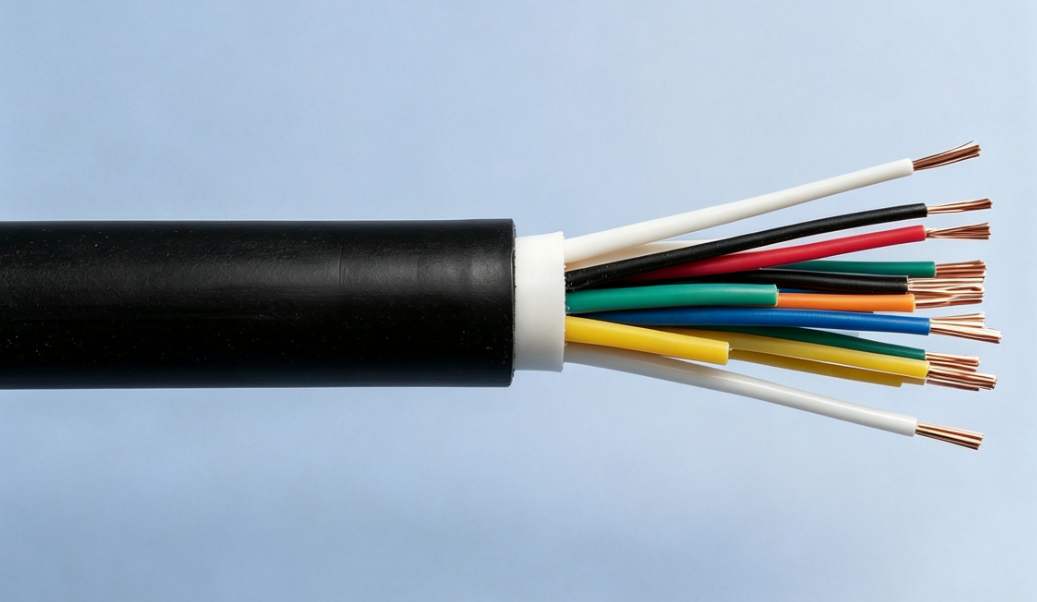
Suitable for transmission of analogue and digital control signals between comput......
+ VIEW MORE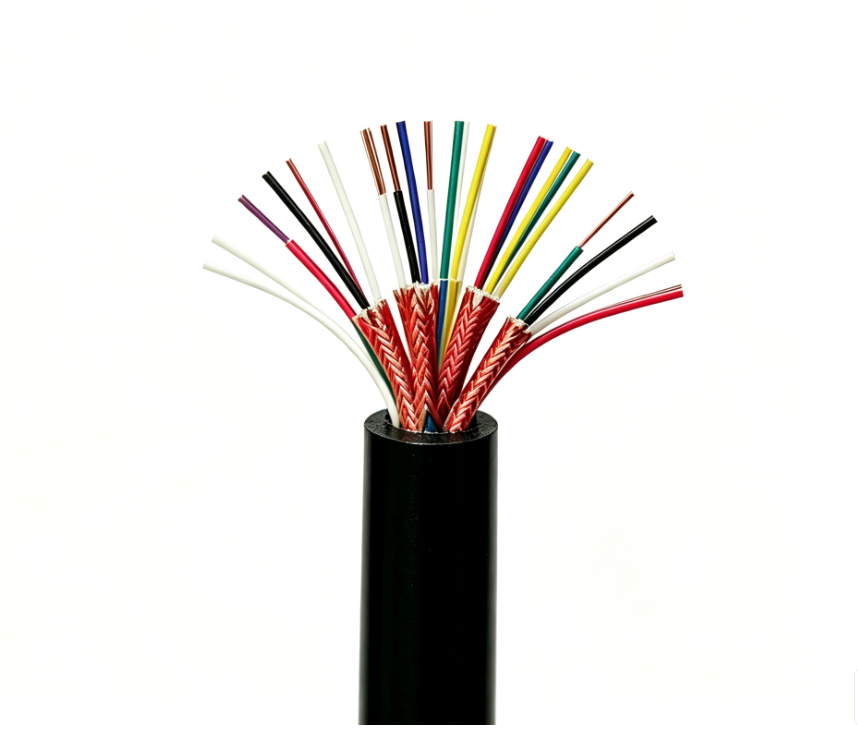
Xinyu Flame-Retardant Computer and Instrumentation Cables are designed for the t......
+ VIEW MORE
Ready To Customise
Your Cable Products?