+852-68552081


 Language

 English
 русский
 Español
 عربى
عربى
Home / News / Industry News / #3 THHN Ampacity Explained: What 115 Amps Really Means for Real Installations
New

Content
A designer hands you a single-line diagram: a 100 A feeder, roughly 150 ft from the panel to a rooftop unit, wired with three #3 THHN copper conductors in EMT. Someone checks the ampacity table, sees 115 A in the 90°C column, and signs off. Months later the conductor runs warmer than expected, and the question becomes whether 115 A was ever the right number to use.
Usually it was not, not on its own. For #3 THHN copper, 115 A is an upper bound that assumes 90°C-rated terminations at both ends, a 30°C ambient, no more than three current-carrying conductors in the raceway, and no derating. Checked against a real installation, the usable figure typically lands between 85 A and 100 A, and voltage drop on long runs often pushes the design to #2 AWG before ampacity does. Here is where each number comes from.
THHN is a 600 V building wire with 90°C thermoplastic insulation and a nylon jacket. Its ampacity comes from NEC Table 310.16, which lists three temperature columns because the allowable current depends on the conductor, the insulation, and the terminations together. Copper and aluminum in the same 3 AWG size do not carry the same current.
| Conductor | 60°C column | 75°C column | 90°C column |
|---|---|---|---|
| 3 AWG copper THHN/THWN-2 | 85 A | 100 A | 115 A |
| 3 AWG aluminum THHN/THWN-2 | 65 A | 75 A | 85 A |
The 90°C column is not a promise; it is the starting point for derating, and it is only reachable when both terminations are rated for 90°C. On a 100 A feeder the governing value is almost always the 75°C number, which is why #3 copper pairs naturally with a 100 A breaker and why 115 A gets quoted without its conditions attached.
NEC 110.14(C) sets the temperature column you may use. For circuits rated 100 A or less, ampacity must be taken from the 60°C column unless the equipment is listed and identified for a higher temperature.
Most modern panelboards, molded-case breakers, and disconnects are marked for 75°C conductors, so the 75°C column becomes the practical ceiling: 100 A for #3 copper THHN. The 90°C value still matters, because derating starts from the highest rating of the conductor, and a 90°C conductor absorbs ambient and bundle corrections that a 75°C one cannot.
Some industrial switchgear and motor connection hardware is listed for 90°C conductors, and on those circuits the full 115 A is legally usable once derating is applied. The reliable test is the label inside the enclosure: if it reads 75°C, 115 A is not available to you.
NEC 310.15 applies two corrections to the table value: an ambient temperature factor and an adjustment for more than three current-carrying conductors in a raceway or cable. Both are calculated from the 90°C rating of a THHN conductor.
Take a 40°C rooftop raceway carrying four current-carrying #3 copper conductors. From the 90°C column, 115 A × 0.91 × 0.80 = about 84 A. From the 75°C column, which is what the termination rule usually requires, 100 A × 0.88 × 0.80 = about 70 A. That gap is the whole reason 90°C conductors appear on hot roofs, and it is also why quoting 115 A without a derating calculation misleads: the same conductor supports roughly 84 A or roughly 70 A depending on the terminations.
Past roughly 100 ft, voltage drop usually governs before ampacity does. #3 AWG copper has a DC resistance of 0.245 ohms per 1000 ft at 75°C, and single-phase drop equals twice that value, times the one-way length, times the current.
At 100 A over 150 ft that is about 7.4 V, or 3.1% of a 240 V supply, already at the limit recommended in the notes to NEC 210.19(A). Stepping up to #2 copper, at 0.194 ohms per 1000 ft, cuts the drop to roughly 2.4% and raises the 75°C ampacity to 115 A. On a 150 ft run, that single size increase is often the decision that matters, not the availability of the 90°C column.
Aluminum #3 THHN is lighter and cheaper per foot, but it carries less current and needs different hardware. It is rated 75 A at the 75°C column and 85 A at 90°C, so a 100 A feeder in aluminum needs #1 AWG rather than #3, which erases much of the saving and consumes more conduit space.
Terminations deserve equal attention. Aluminum requires lugs identified for aluminum or dual-rated AL9/CU9 hardware, antioxidant compound on brushed bare aluminum, and torque to the value stamped on the lug. Copper #3 is more forgiving in retrofit work, where existing lugs may not be dual-rated and re-torquing after thermal cycling is hard to schedule.
Three #3 THHN conductors occupy roughly 0.29 square inches, and an insulated #8 ground brings the bundle to about 0.33 square inches against the 40% fill allowance of about 0.35 square inches for 1 inch EMT. That is legal, but it leaves no room for a future circuit, which is why many installers step up to 1-1/4 inch.
Pulling tension, bend radius, and sidewall pressure are checked against published values. Three or more 90-degree bends in a single pull usually call for a pull point, and the insulation temperature rating limits how hard the conductor can be dragged before the jacket deforms.
Outside North America, THHN does not exist as a product category, and ampacity comes from IEC 60364-5-52 rather than Table 310.16. Conductors are quoted in square millimeters, so a 3 AWG conductor falls between the standard 25 mm² and 35 mm² sizes, and the allowable current depends on the reference method: free air, conduit on a wall, or buried in the ground. For 25 mm² copper with PVC insulation, published values cluster between roughly 95 A and 105 A.
The logic is the same, though. A 450/750 V PVC-insulated single-core wire does the job THHN does in a North American panel, which is what a low voltage cable selection guide shows when it walks through sizing and standards side by side.
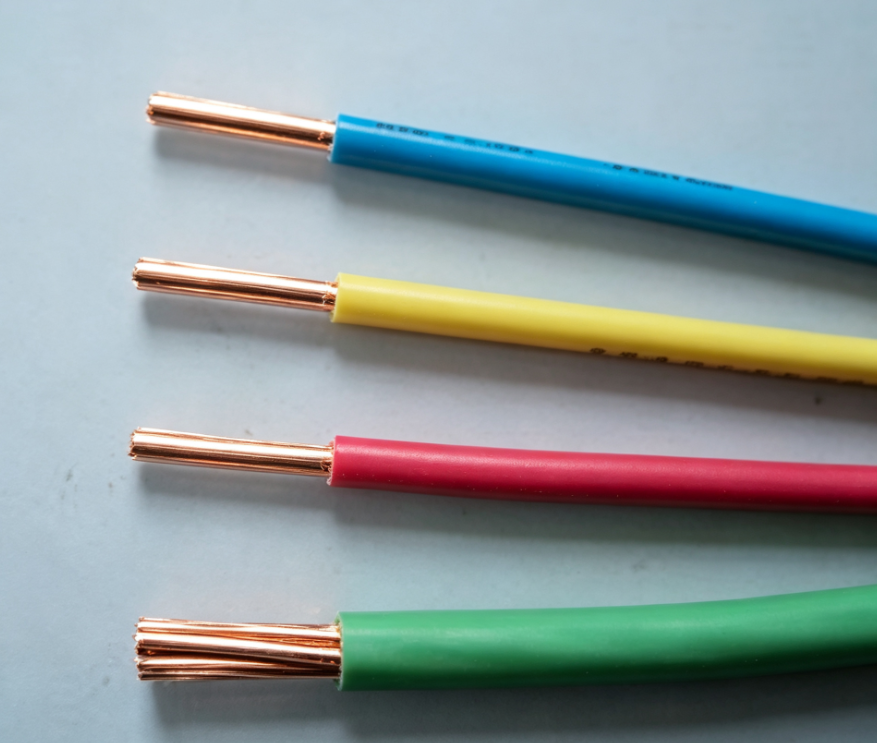 PVC-Insulated 450/750 V Cable for Building and Equipment WiringUseful entry for conventional low-voltage fixed wiring, power and lighting circuits, and equipment connections using PVC-insulated 450/750 V cable.View Product →
For feeders in the same market, copper/PVC/PVC 0.6/1 kV cable covers the same 100 A class of circuit, with the armoring and screening options that route conditions usually demand.
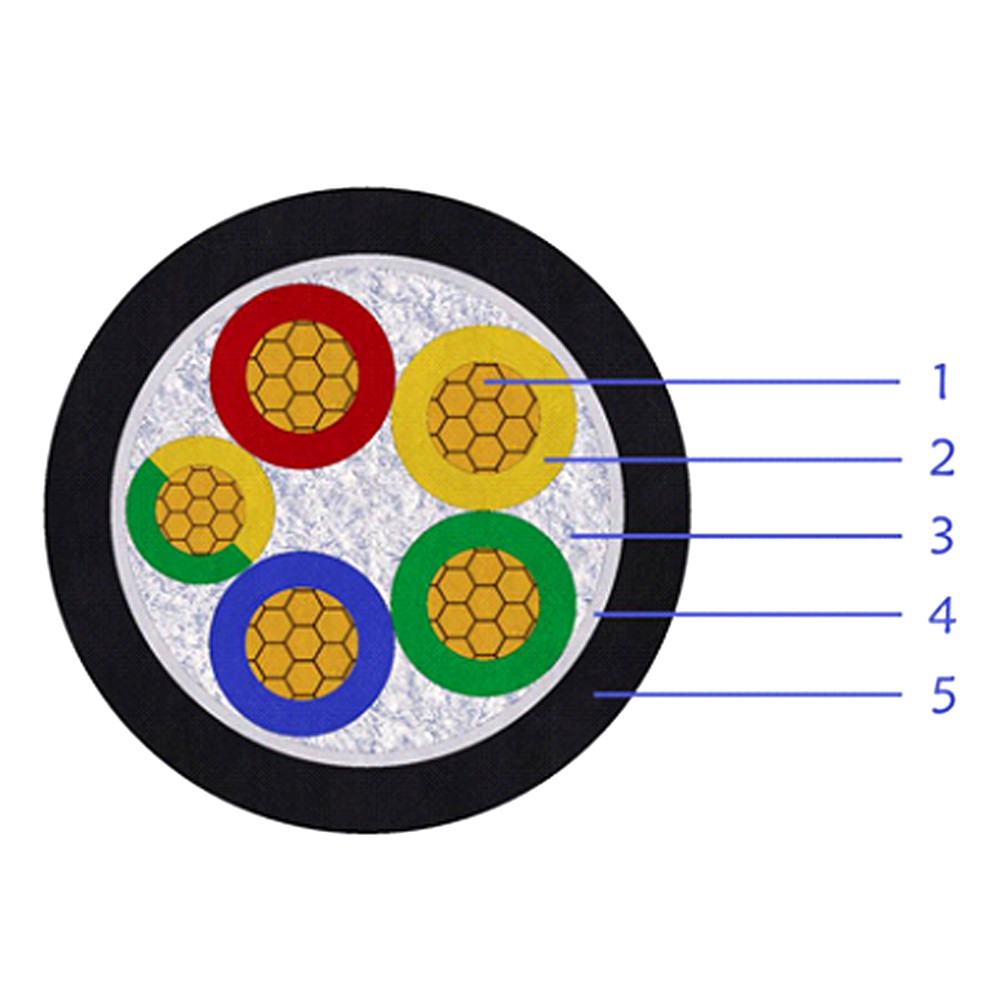 CU/PVC/PVC 0.6/1 kV Multi-Core Unarmored Power CableFor low-voltage feeders needing multiple conductors in one assembly, with PVC insulation and sheath, suitable for buried, ducted, or indoor routes.View Product →
The equivalent of the 90°C margin that makes THHN attractive comes from XLPE insulation rather than from a temperature column. XLPE-insulated 0.6/1 kV cable is rated for 90°C conductor temperature, so it preserves usable ampacity after ambient and grouping corrections in the same way. Manufacturers building to IEC and GB standards, including an established wire and cable manufacturer, typically offer PVC and XLPE constructions within the same 0.6/1 kV program.
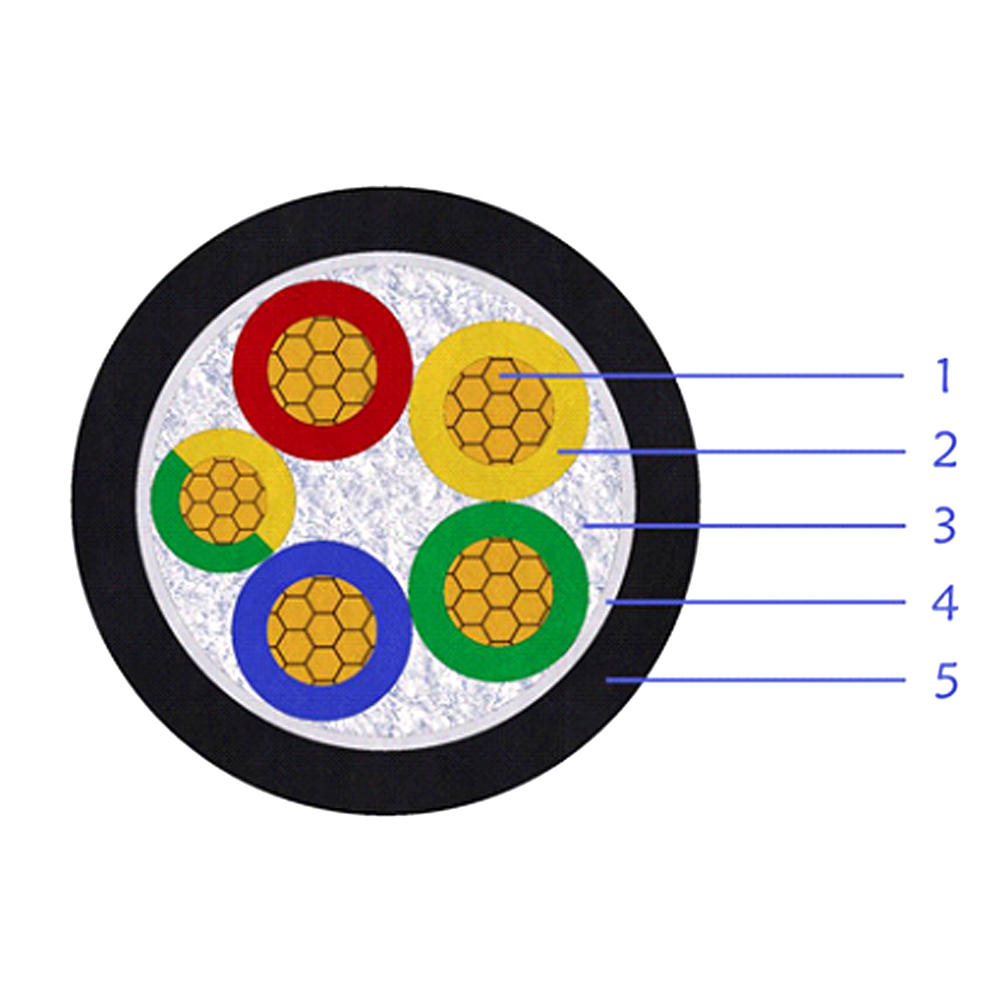 CU/XLPE/PVC 0.6/1 kV Multi-Core XLPE Insulated Unarmored CableFor low-voltage networks requiring multiple conductors, with 90°C-rated XLPE insulation and PVC sheath for fixed indoor or outdoor installation in ducts or direct burial.View Product →
In tunnels, risers, and other confined routes, flame-retardant and low-smoke halogen-free compounds change the fire and toxicity outcome far more than they change the ampacity, and the small derating penalty is usually worth accepting.
None of this makes #3 THHN a poor choice; it makes it a specific one. The 115 A figure applies to a narrow set of conditions, 100 A covers the ordinary case with 75°C terminations, and derating or voltage drop can pull the usable value lower still. Sizing from the conditions you can verify, rather than from the highest number in the table, is what keeps a feeder within its rating for the life of the installation.
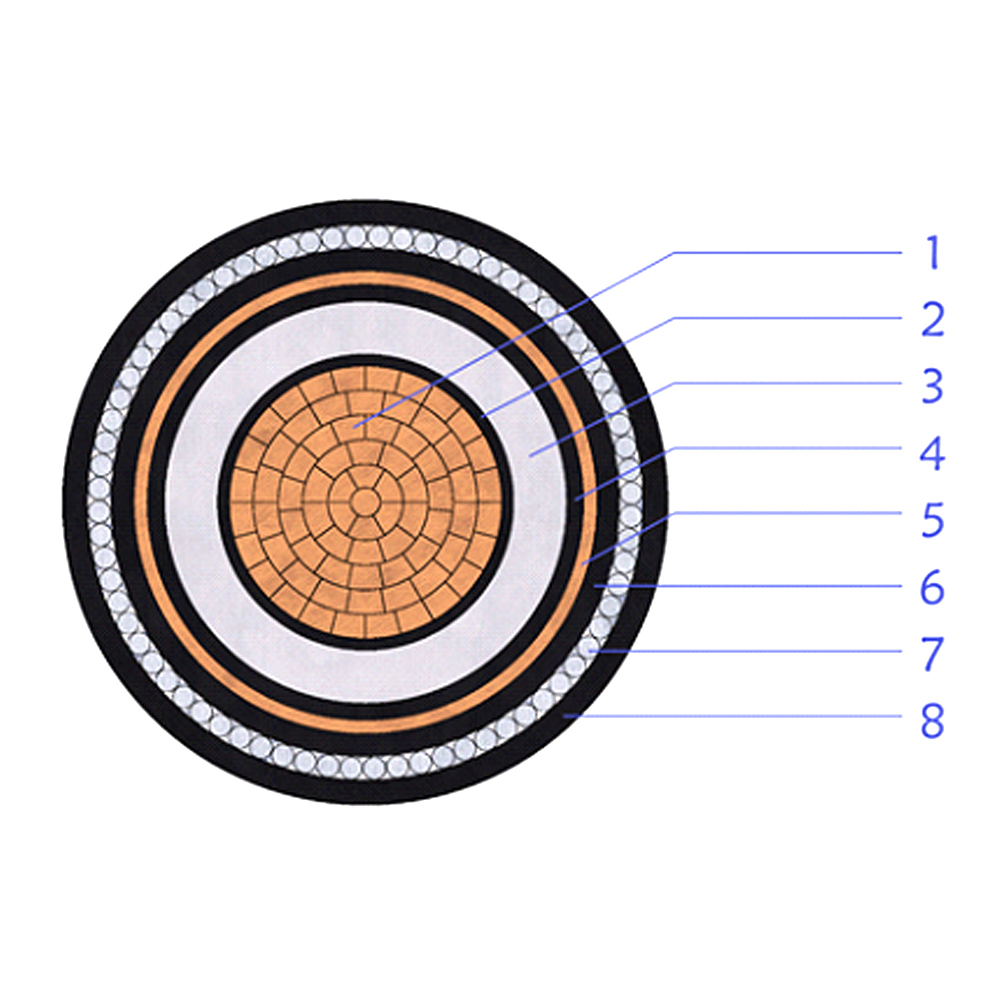
This 3.6/6(7.2)kV medium voltage power cable is designed with a copper conductor......
+ VIEW MORE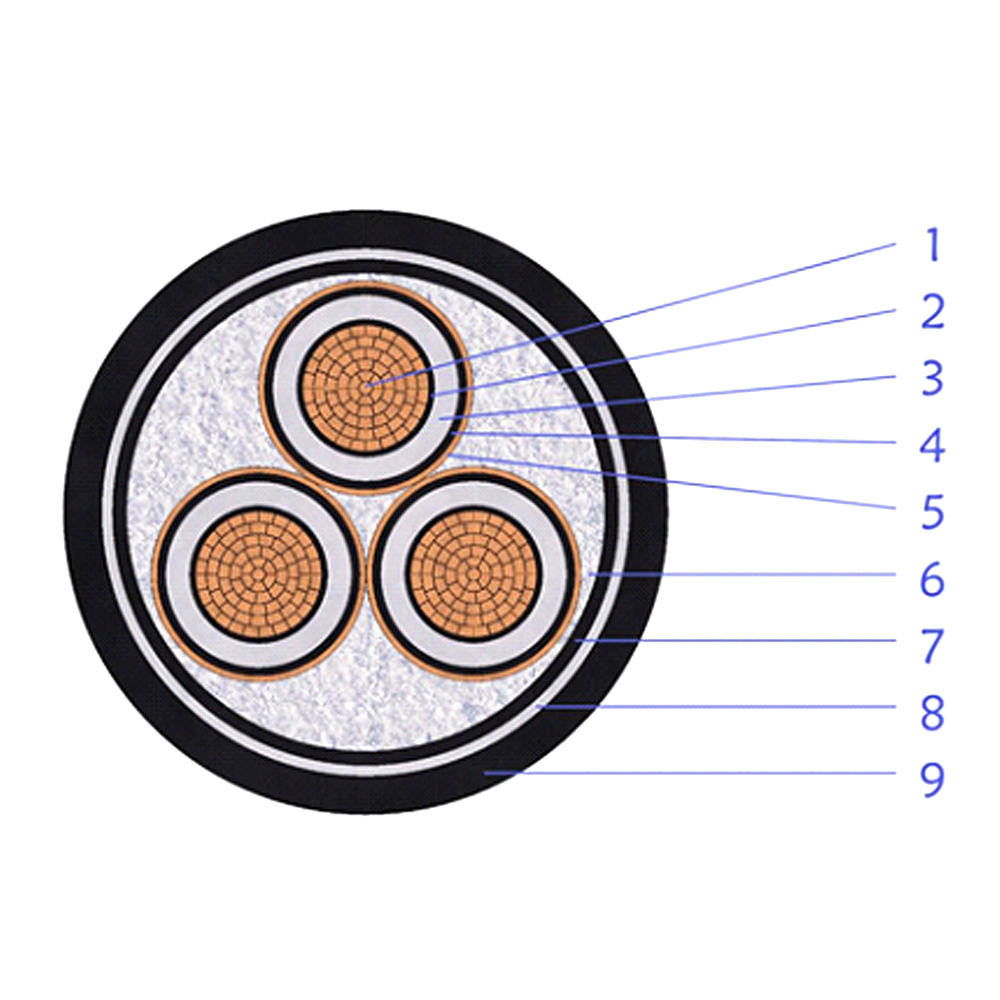
This 3.6/6(7.2)kV multi-core medium voltage power cable features copper conducto......
+ VIEW MORE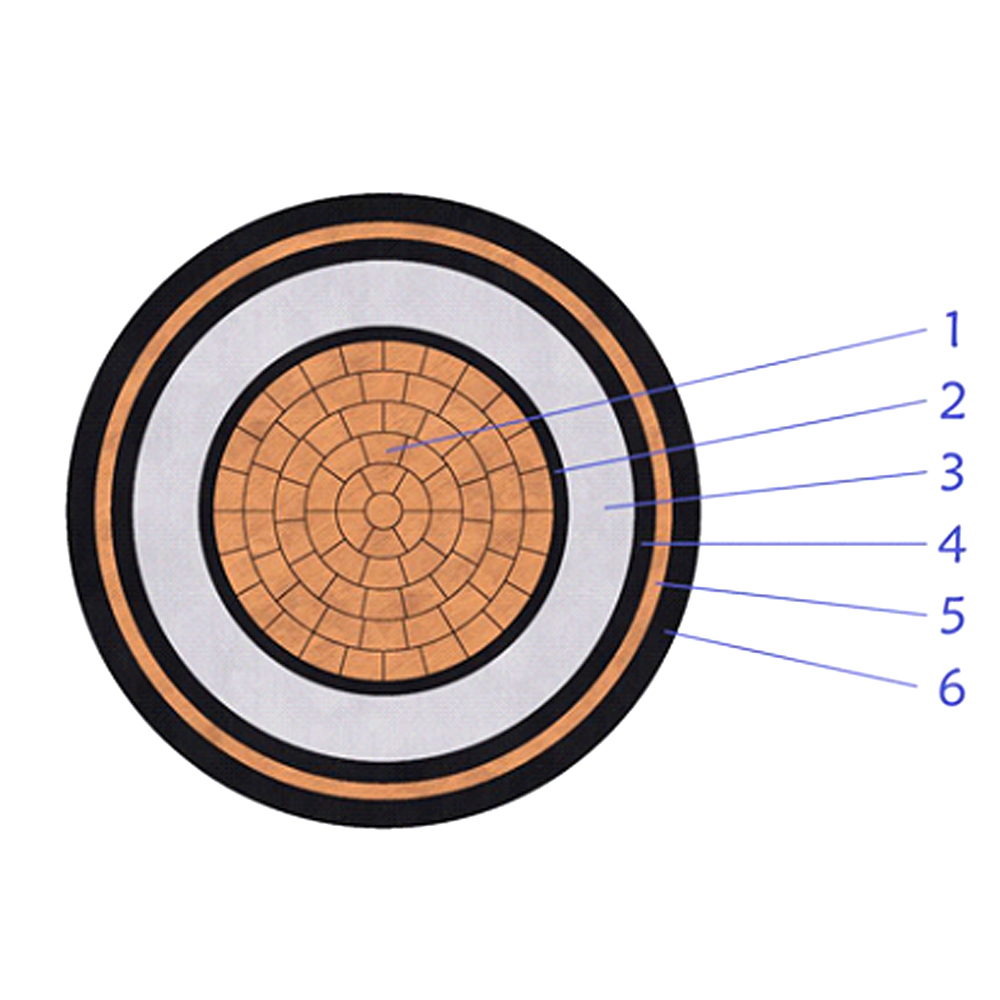
This 3.6/6(7.2)kV medium voltage unarmored power cable is designed for fixed ins......
+ VIEW MORE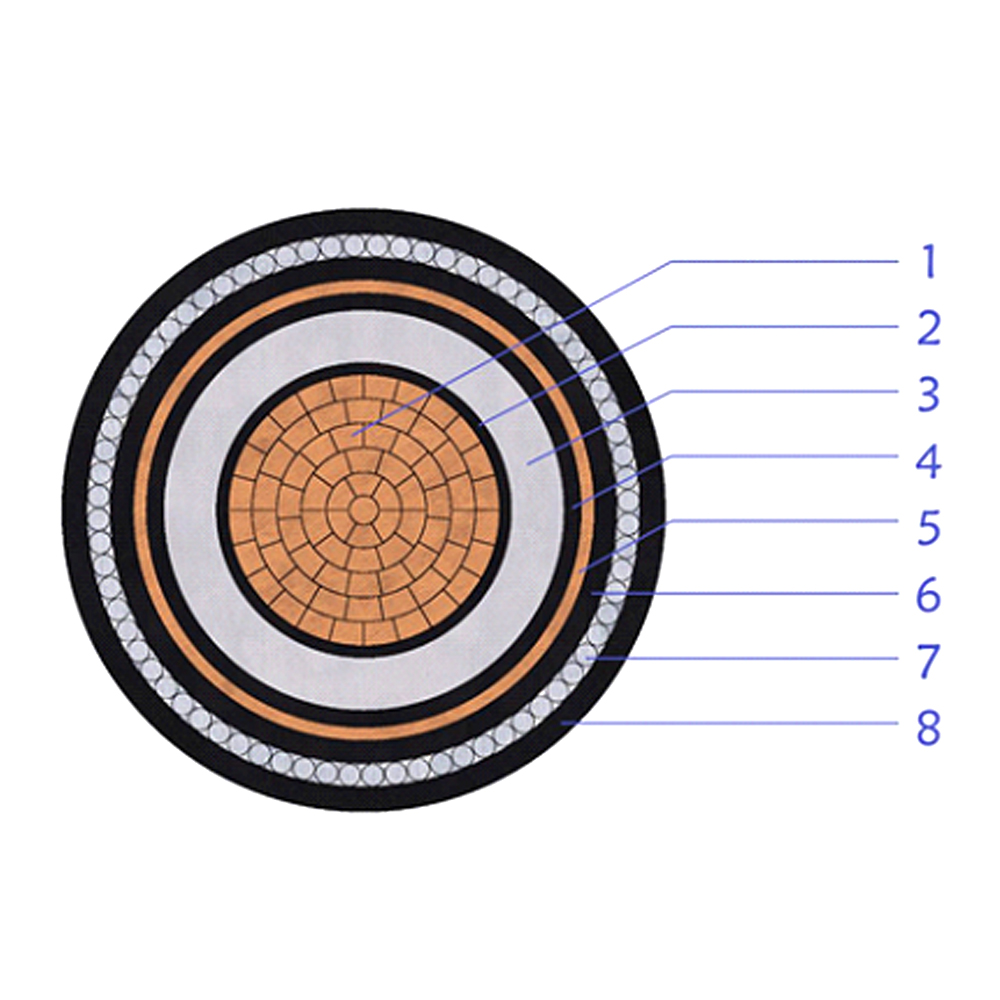
CU/XLPE/CTS/PVC/AWA/PVC Single Core / CU/XLPE/CTS/PVC/SWA/PVC Multi CoreThis med......
+ VIEW MORE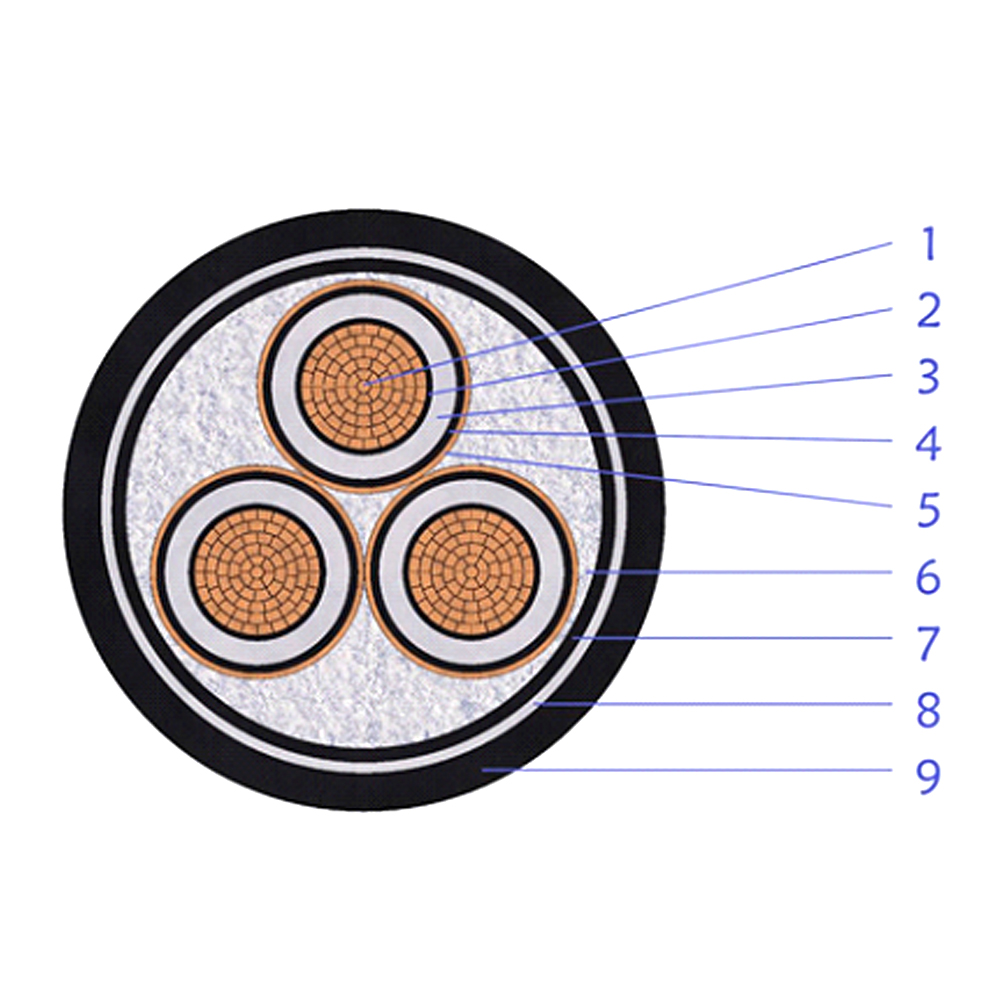
CU/XLPE/CTS/PVC/DSTA/PVCThis multi-core medium-voltage power cable is built with......
+ VIEW MORE
CU/XLPE/CTS/PVC/SWA/PVCThis multi-core medium-voltage power cable features XLPE ......
+ VIEW MORE
Ready To Customise
Your Cable Products?