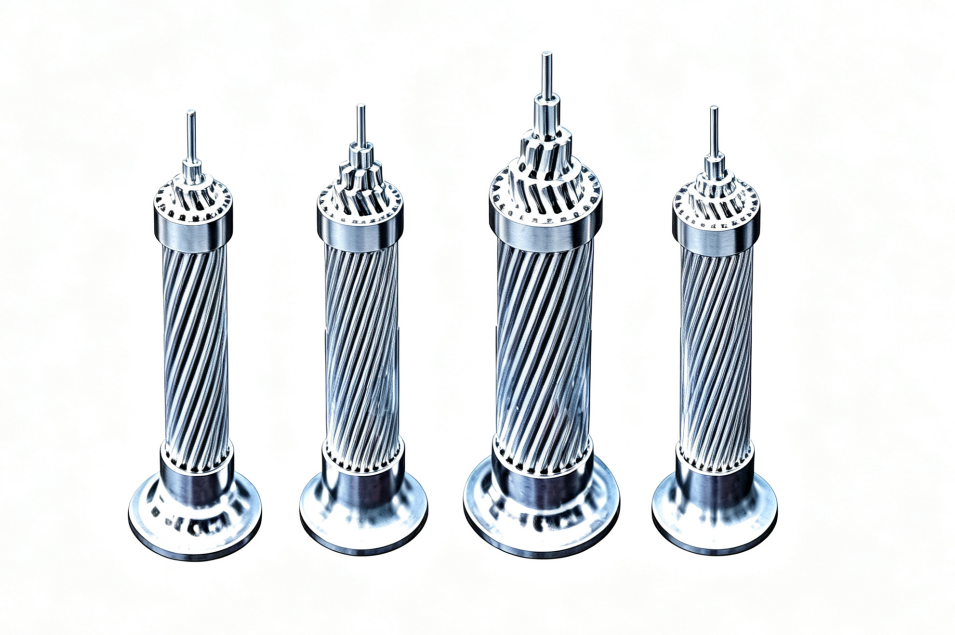
As bare conductive products, aluminum stranded wires are suitable for low-voltag......
+ VIEW MOREIndustry News
Content
What is 0.75 mm² in AWG? A 0.75 mm² conductor falls between 18 AWG and 19 AWG in nominal cross-sectional area. The commonly used 18 AWG size is approximately 0.823 mm², while 19 AWG is approximately 0.653 mm².
For procurement purposes, 18 AWG is a useful nearby reference, but it is not an exact equivalent to 0.75 mm². The two sizes should not be substituted without checking the applicable cable specification, conductor construction and termination requirements.
This guide explains how to compare 0.75 mm² and AWG sizes when selecting control cables, instrumentation cables and other small-section electrical cables.
IEC-based cable specifications commonly use nominal conductor cross-sectional area in mm². North American specifications commonly use American Wire Gauge (AWG).
The following table compares the relevant conductor sizes:
| Conductor Size | Nominal Cross-Sectional Area | Approximate Solid-Conductor Diameter |
|---|---|---|
| 19 AWG | 0.653 mm² | 0.912 mm |
| 0.75 mm² | 0.750 mm² | 0.977 mm |
| 18 AWG | 0.823 mm² | 1.024 mm |
Note: Diameters are calculated from metallic cross-sectional area for an ideal solid circular conductor. Actual stranded-conductor dimensions depend on construction.
Although 19 AWG is slightly closer to 0.75 mm² by cross-sectional area, 18 AWG is a more commonly encountered reference size in many North American cable and component specifications.
Selection rule: Specify 0.75 mm² when the project requires 0.75 mm². Specify 18 AWG when the project requires 18 AWG. Do not change the specified conductor size based on a conversion chart alone.
Conductor size does not describe conductor flexibility.
IEC 60228 classifies conductors according to their construction. The relevant classes include:
| IEC 60228 Class | General Description | Typical Application |
|---|---|---|
| Class 1 | Solid conductor | Fixed wiring where permitted by the cable standard |
| Class 2 | Stranded conductor | Fixed power and control cable installations |
| Class 5 | Flexible stranded conductor | Flexible control and equipment wiring |
| Class 6 | Extra-flexible stranded conductor | Applications requiring greater conductor flexibility |
The suitability of a complete cable for repeated movement, drag chains or robotics depends on its overall design, not conductor class alone.
A 0.75 mm² Class 5 conductor and an 18 AWG stranded conductor may have similar nominal cross-sectional areas but different strand constructions and flexibility.
When replacing one cable with another, check both conductor size and construction.
A conductor's resistance affects voltage drop, particularly in long, low-voltage control circuits.
For a two-wire DC circuit, the calculation must include both the outgoing and return conductor lengths.
Assume:
Conductor size: 0.75 mm² copper.
One-way cable length: 50 m.
Total conductor loop length: 100 m.
Load current: 1 A.
Assumed conductor resistance: 26 Ω/km at 20°C.
Approximate voltage drop:
ΔV = I × R × L
ΔV = 1 A × 26 Ω/km × 0.1 km = 2.6 V
This represents approximately 10.8% of a 24 V supply.
The example illustrates why a conductor that is suitable for a short control circuit may require further evaluation for a longer cable run.
Actual design calculations should use the applicable conductor resistance, operating temperature, circuit arrangement and equipment voltage requirements.
Not automatically.
Terminals, ferrules and crimping tools must be suitable for the actual conductor size and construction.
A terminal marked for 18 AWG should not be assumed to accept every 0.75 mm² conductor. Compatibility depends on the terminal manufacturer's specified conductor range, permitted strand construction and approved termination method.
For IEC-based control panels, ferrules sized for 0.75 mm² are commonly used where appropriate.
For North American equipment, use terminals and termination methods permitted by the applicable equipment instructions and product requirements.
When working with flexible Class 5 or Class 6 conductors:
Verify that the terminal accepts the conductor's strand construction.
Check the manufacturer's permitted conductor size range.
Use the specified crimping tool and die where applicable.
Use ferrules where required or permitted by the terminal manufacturer.
Do not select a terminal solely because an AWG conversion chart identifies 18 AWG as a nearby size.
A 0.75 mm² conductor is commonly specified in small-section control and equipment cables.
Typical applications include:
| Application | Common Cable Requirement |
|---|---|
| Industrial control circuits | Multicore control cable |
| PLC and relay connections | Flexible control wiring |
| Sensors and instrumentation | Screened or unscreened signal cable |
| Equipment interconnections | Multicore flexible cable |
| Control panels | Conductors selected for the applicable panel design |
The correct cable depends on more than conductor size.
Buyers should also specify voltage rating, insulation material, number of cores, screening, sheath construction and applicable product standard.
The intended operating current, installation method, protective device and voltage drop must be checked during electrical design.
| Project Requirement | Recommended Specification Approach |
|---|---|
| IEC project specifies 0.75 mm² | Retain 0.75 mm² and confirm conductor class |
| North American project specifies 18 AWG | Retain 18 AWG and confirm the required cable construction |
| IEC cable proposed as an AWG alternative | Verify the substitution against the project specification |
| Cable will be connected to existing terminals | Confirm the actual conductor and terminal compatibility |
| Long 24 VDC control circuit | Calculate voltage drop using the complete circuit path |
The key principle is simple: cross-reference conductor sizes for communication, but verify cable substitutions for engineering and procurement.
Xinyu Cable manufactures control cables and low- and medium-voltage power cables for industrial and infrastructure projects.
For a control cable enquiry, please provide:
Required conductor size and class.
Number of cores.
Voltage rating and insulation material.
Screening or armour requirements, if applicable.
Applicable product standard.
Required quantity or bill of quantities (BOQ).
Contact Xinyu Cable for cable specification review and quotation.
As bare conductive products, aluminum stranded wires are suitable for low-voltag......
+ VIEW MORE
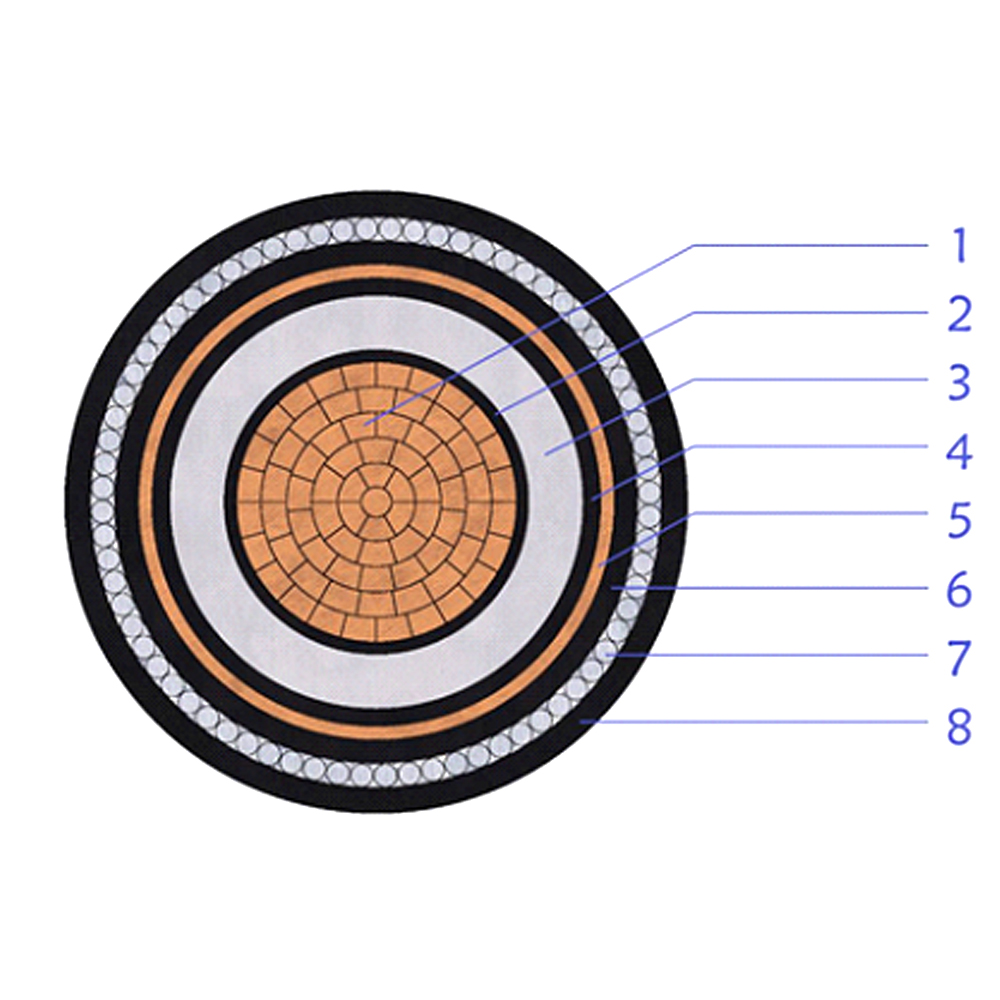
This 8.7/15(17.5)kV medium voltage power cable is designed with compacted copper......
+ VIEW MORE
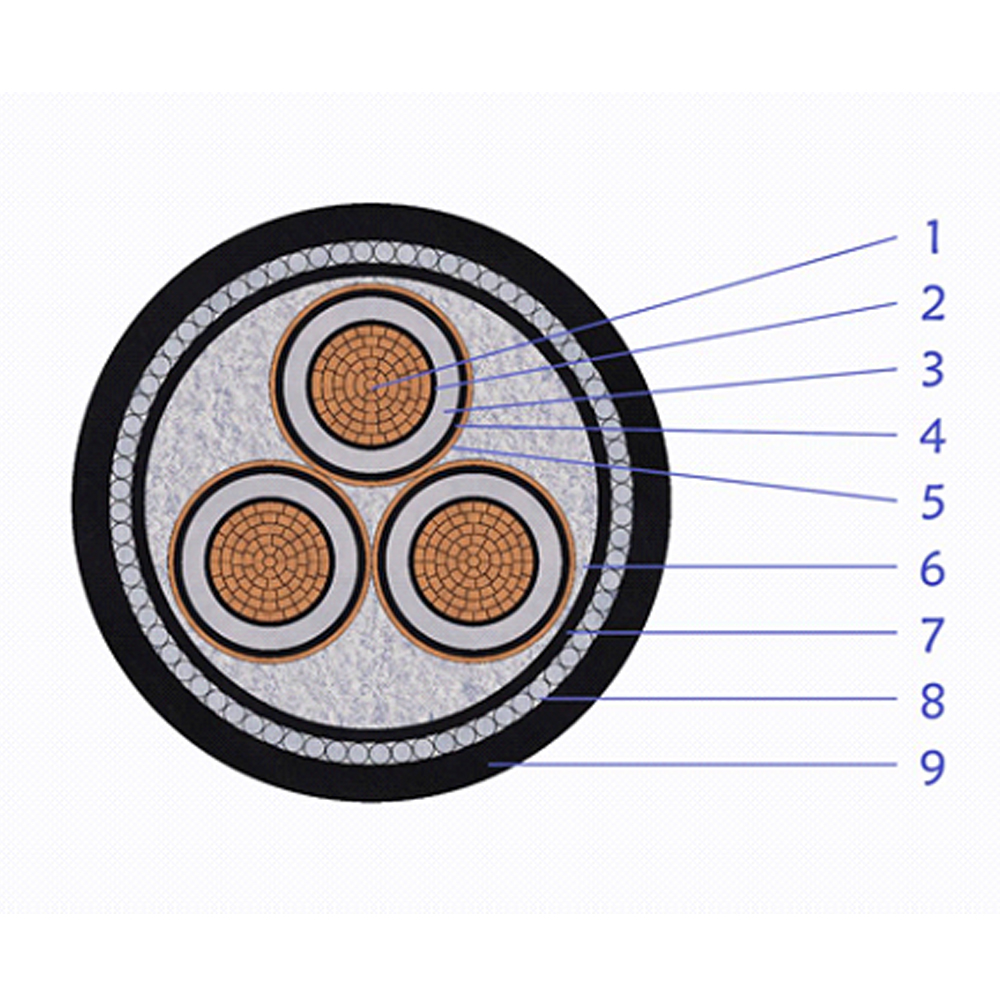
This 6/10kV multi-core power cable is constructed with compacted copper conducto......
+ VIEW MORE
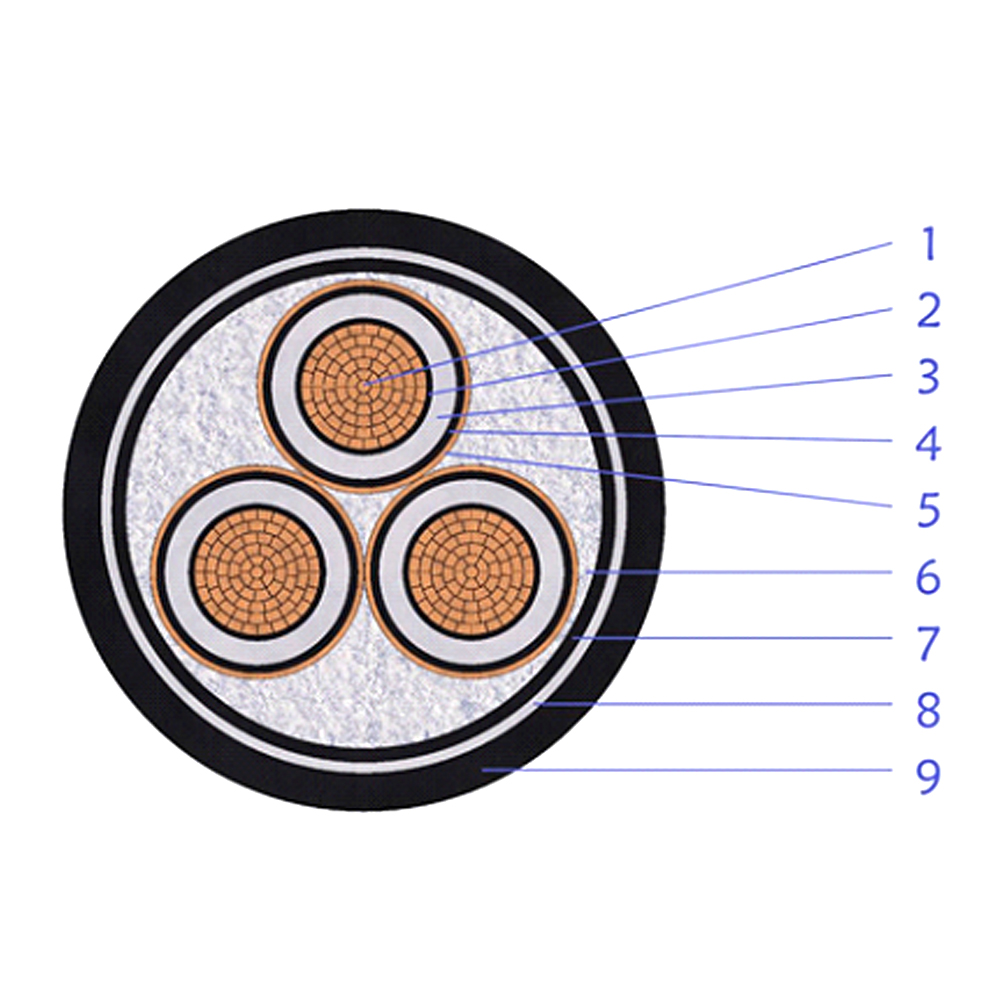
CU/XLPE/CTS/PVC/DSTA/PVCThis multi-core medium-voltage power cable is built with......
+ VIEW MORE
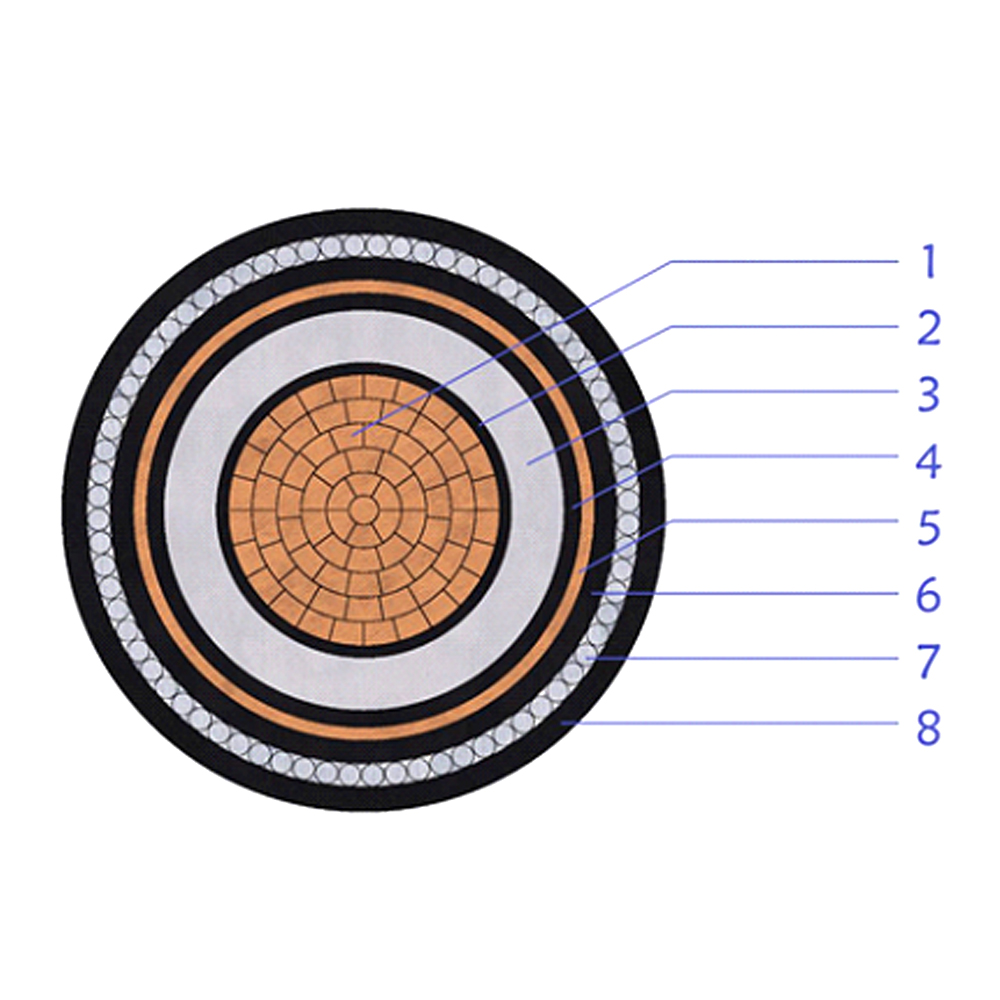
CU/XLPE/CTS/PVC/AWA/PVC Single Core / CU/XLPE/CTS/PVC/SWA/PVC Multi CoreThis med......
+ VIEW MORE
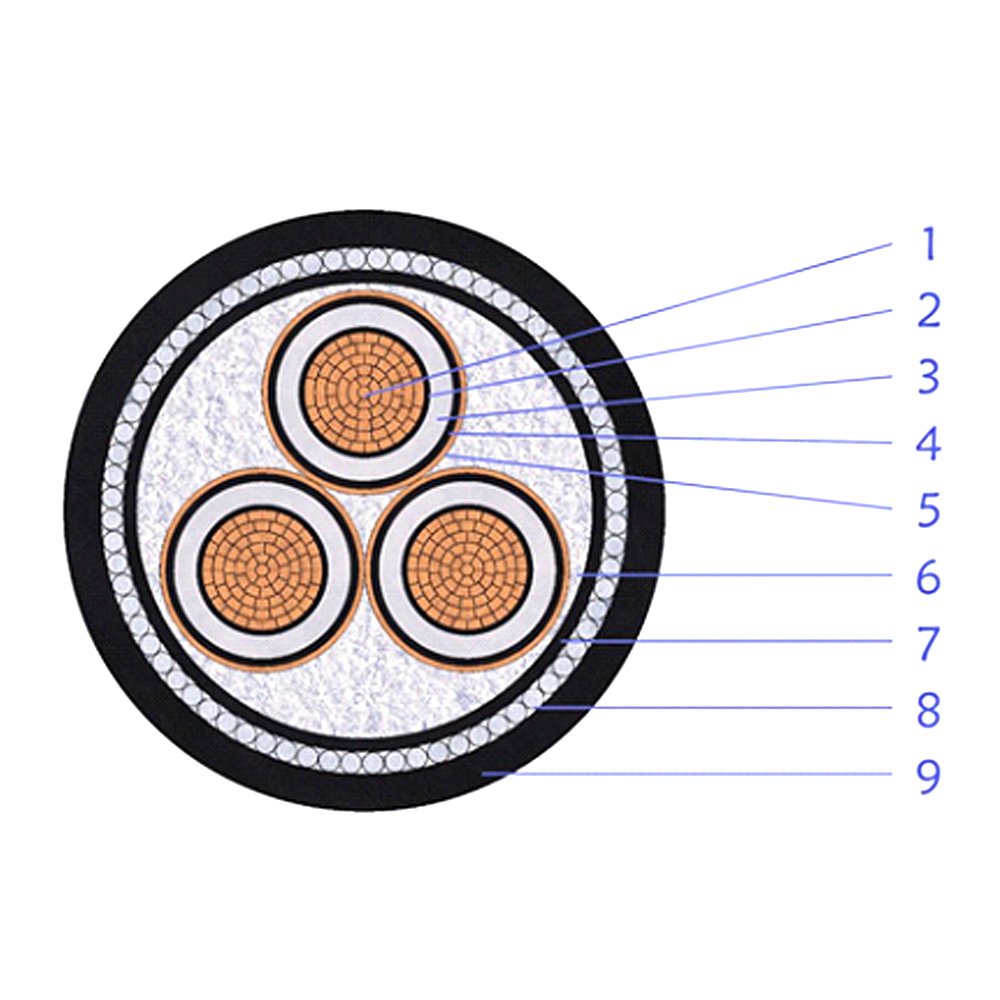
This medium voltage power cable is designed with multi-core copper conductors in......
+ VIEW MORE
Ready To Customise
Your Cable Products?