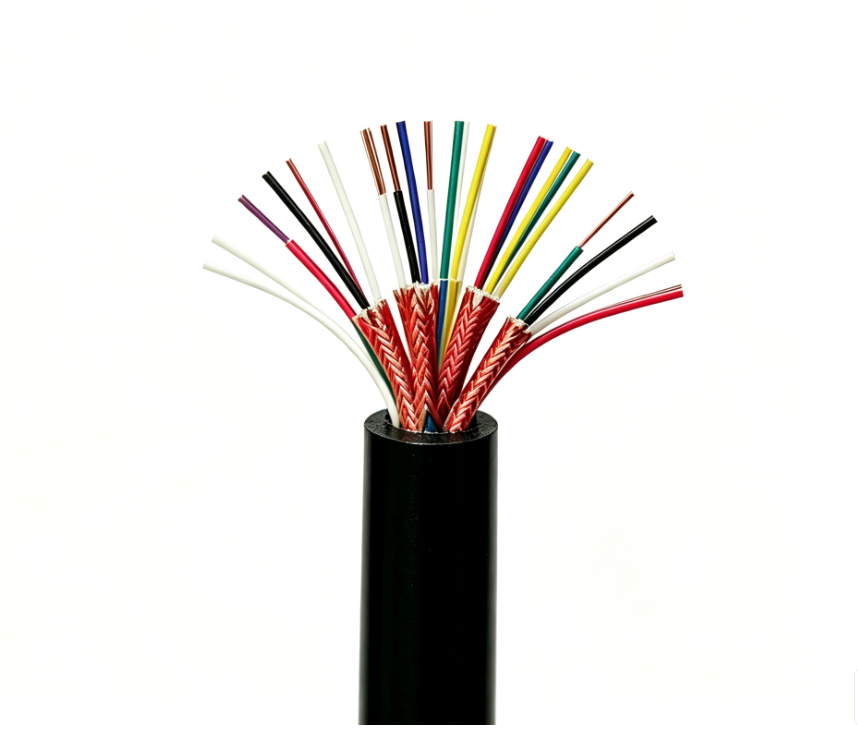
Suitable for fixed wiring, power and lighting circuits, internal and external co......
+ VIEW MOREContent
Flame-retardant and fire-resistant cables are used in electrical installations where fire performance is an important part of the project specification. Although the terms are sometimes used interchangeably, they describe different cable performance requirements.
Flame-retardant cables are designed to limit flame propagation, while fire-resistant cables are designed to maintain circuit integrity under specified fire-test conditions.
Understanding this distinction helps engineers and procurement teams select the appropriate cable construction for industrial facilities, commercial buildings and infrastructure projects.
A flame-retardant cable is designed to limit the spread of flames along the cable under defined test conditions.
Depending on the cable construction and applicable test method, flame propagation may be assessed using standards such as:
IEC 60332-1-2: Vertical flame propagation test for a single insulated wire or cable.
IEC 60332-3: Vertical flame spread tests for bunched wires or cables under specified conditions.
Passing a single-cable flame test does not automatically mean that the cable meets the requirements for bunched-cable flame propagation.
The required test method should be identified in the project specification.
A fire-resistant cable is designed to maintain electrical circuit integrity for a specified duration under defined fire-test conditions.
The IEC 60331 series addresses circuit integrity under fire conditions.
Depending on the applicable standard and project requirements, testing may involve defined flame exposure, duration and other specified conditions.
Fire-resistant cables are commonly considered for circuits serving essential functions, such as:
Emergency lighting.
Fire alarm systems.
Smoke control equipment.
Other critical power and control circuits specified by the project designer.
A cable that meets a flame-propagation requirement should not automatically be described as fire-resistant.
| Feature | Flame-Retardant Cable | Fire-Resistant Cable |
|---|---|---|
| Main objective | Limit flame propagation | Maintain circuit integrity during specified fire exposure |
| Common IEC test reference | IEC 60332 series | IEC 60331 series |
| Main selection consideration | Required flame-spread performance | Required circuit-integrity performance |
| Typical application | General installations with specified flame-propagation requirements | Essential circuits requiring operation during fire |
A project may require both flame-retardant and fire-resistant performance in the same cable.
Where this is the case, both requirements must be specified and verified separately.
Low-smoke and halogen-related performance are additional cable characteristics. They are not automatically established by a flame-retardant or fire-resistant designation.
Common IEC test references include:
| Performance | Common Test Reference |
|---|---|
| Flame propagation | IEC 60332 series |
| Circuit integrity | IEC 60331 series |
| Smoke density | IEC 61034 series |
| Gases evolved during combustion | IEC 60754 series |
The applicable requirements depend on the cable construction, installation environment and project specification.
For example, an indoor infrastructure project may specify flame propagation, smoke emission and halogen-related performance together.
Each required property should be supported by documentation applicable to the actual cable product.
When requesting a quotation, buyers should provide the following information:
Cable type and voltage rating.
Conductor material and cross-sectional area.
Number of cores.
Insulation and sheath requirements.
Required flame-retardant or fire-resistant performance.
Applicable test standards and acceptance criteria.
Screening or armour requirements, where applicable.
Required quantity and delivery destination.
For international projects, Chinese GB standards and IEC standards should not be treated as automatically interchangeable. The applicable test methods and required documentation must be confirmed for the specified product.
Xinyu Cable manufactures low- and medium-voltage power cables and control cables for industrial and infrastructure applications.
For projects requiring flame-retardant or fire-resistant cable constructions, please send us your cable schedule, technical specification and required fire-performance standards.
Our team can review the requested construction and confirm product availability and applicable supporting documentation before quotation.
Contact Xinyu Cable for technical review and quotation.
Suitable for fixed wiring, power and lighting circuits, internal and external co......
+ VIEW MORE
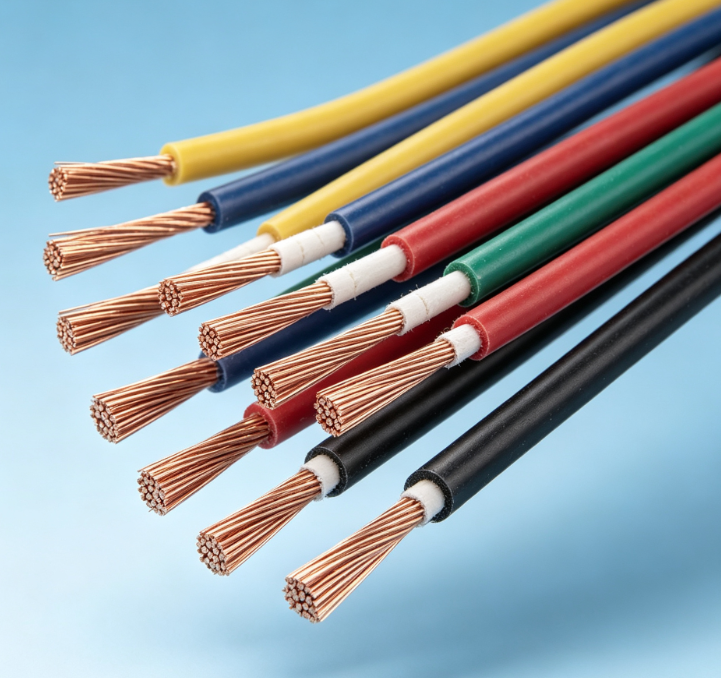
Xinyu Flame-Retardant Computer and Instrumentation Cables are designed for the t......
+ VIEW MORE
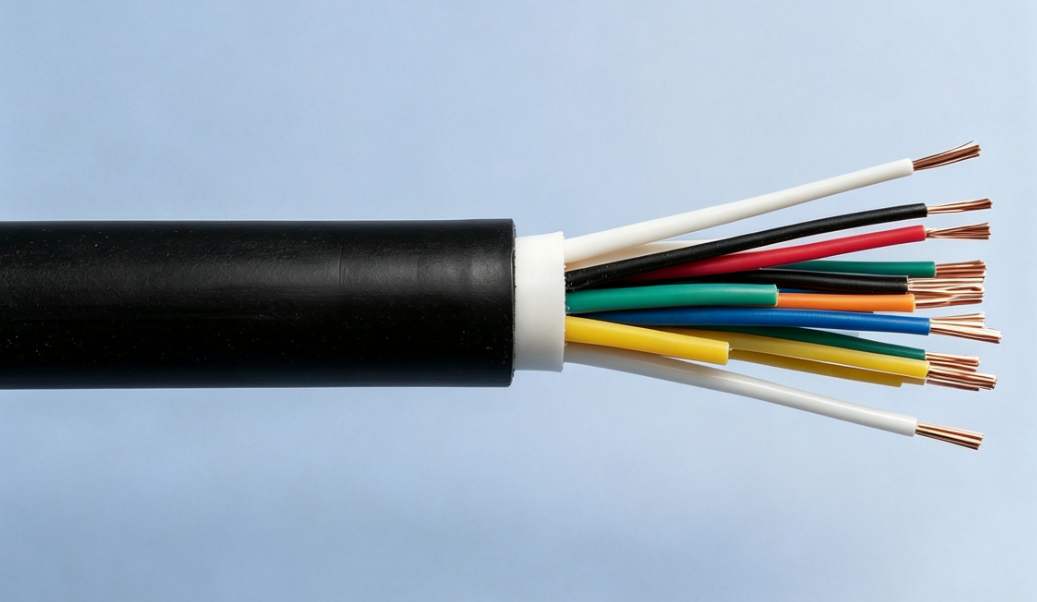
Suitable for transmission of analogue and digital control signals between comput......
+ VIEW MORE
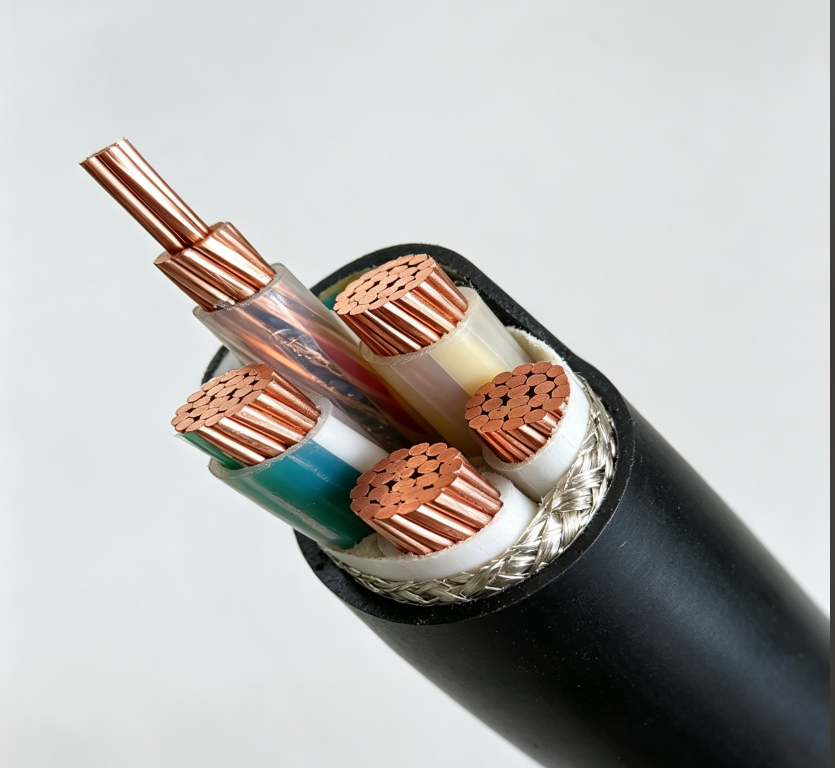
Suitable for transmission of control, interlock and measurement signals in secon......
+ VIEW MORE
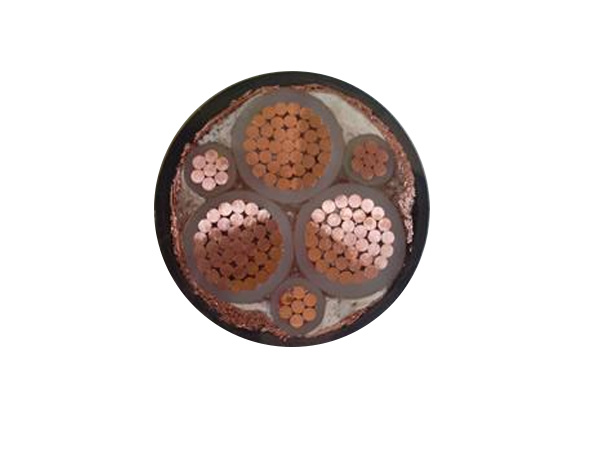
Designed for variable frequency drive systems with rated voltage 0.6/1kV and bel......
+ VIEW MORE
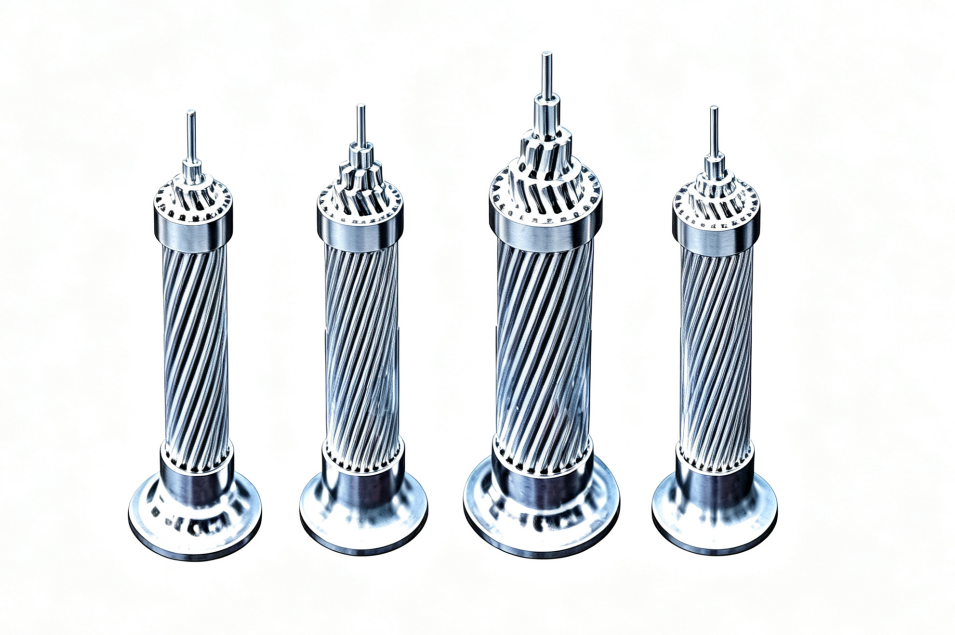
As bare conductive products, aluminum stranded wires are suitable for low-voltag......
+ VIEW MORE
Ready To Customise
Your Cable Products?