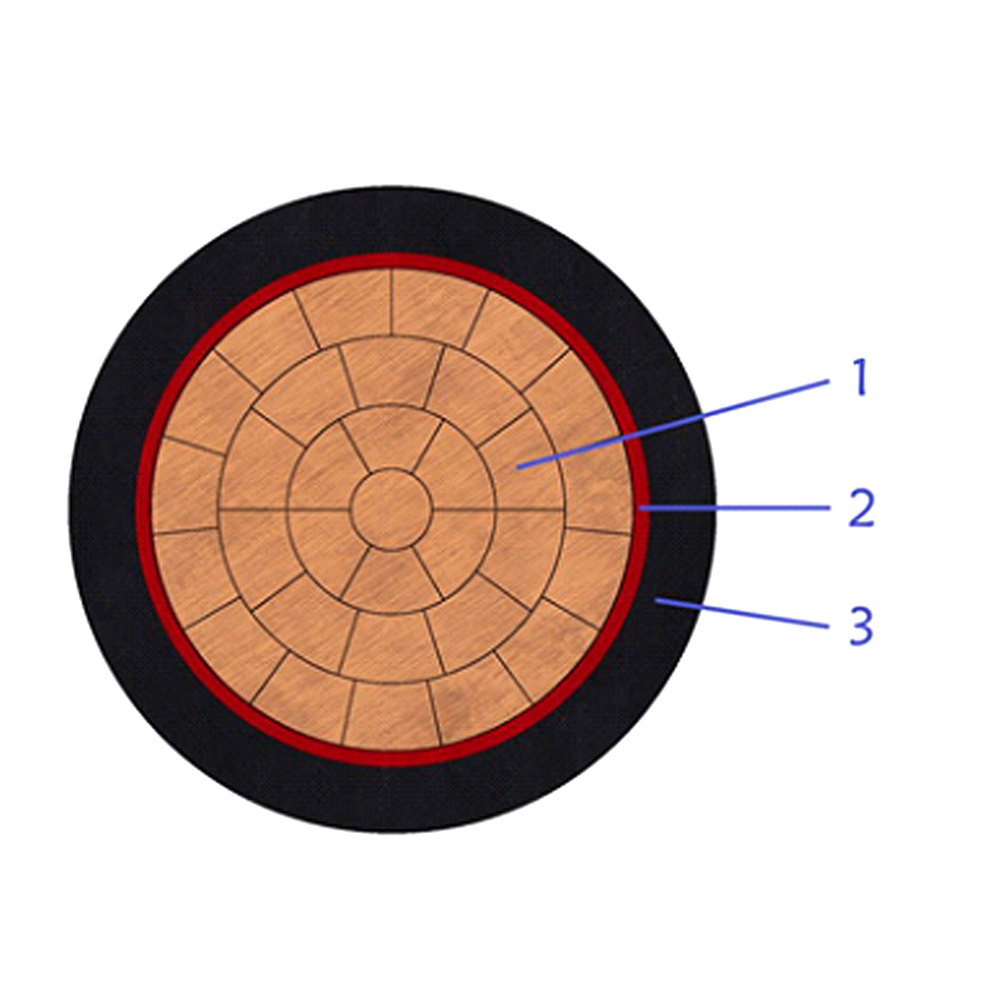
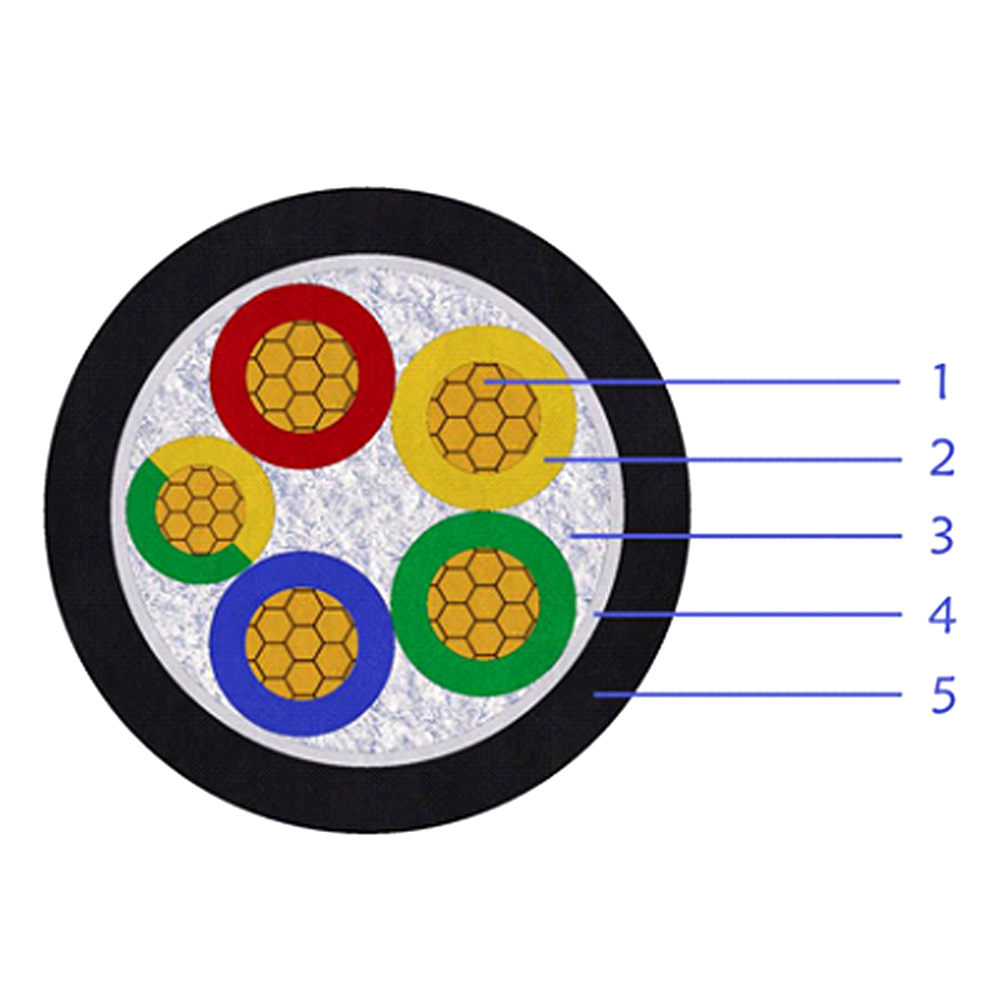
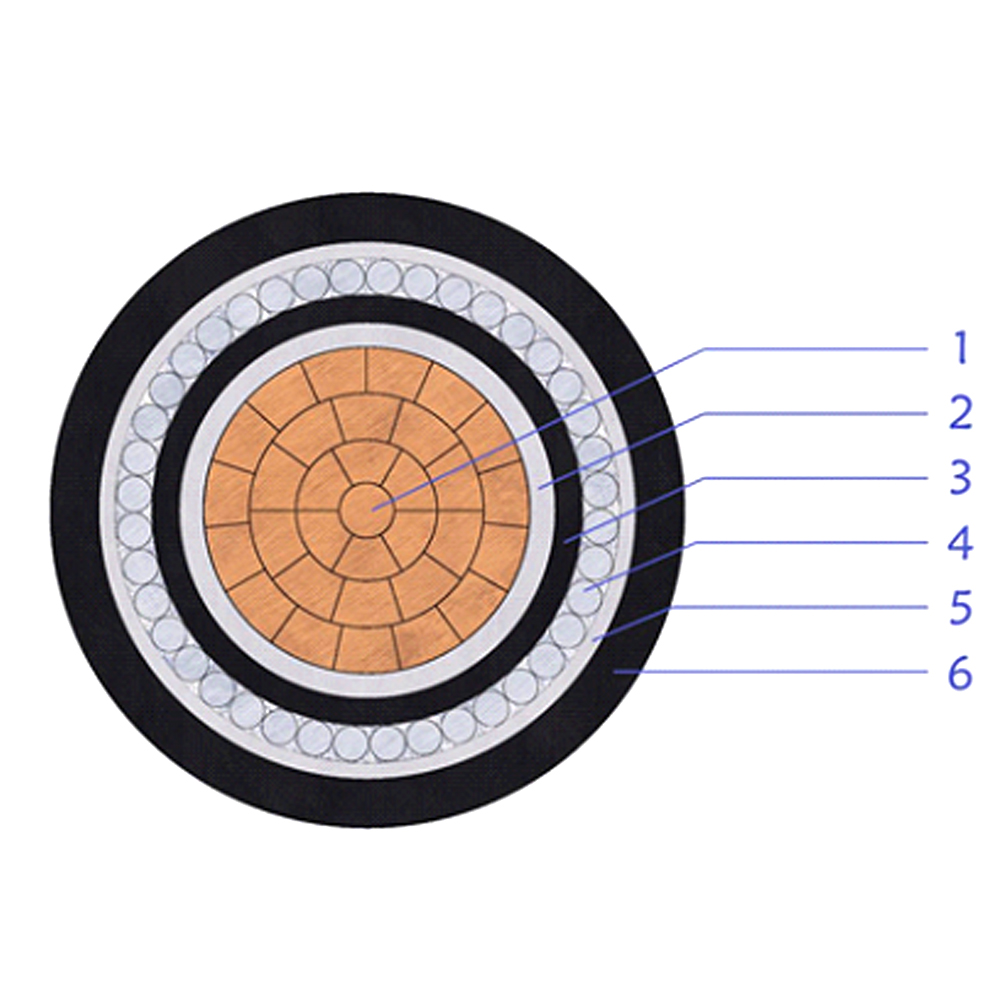
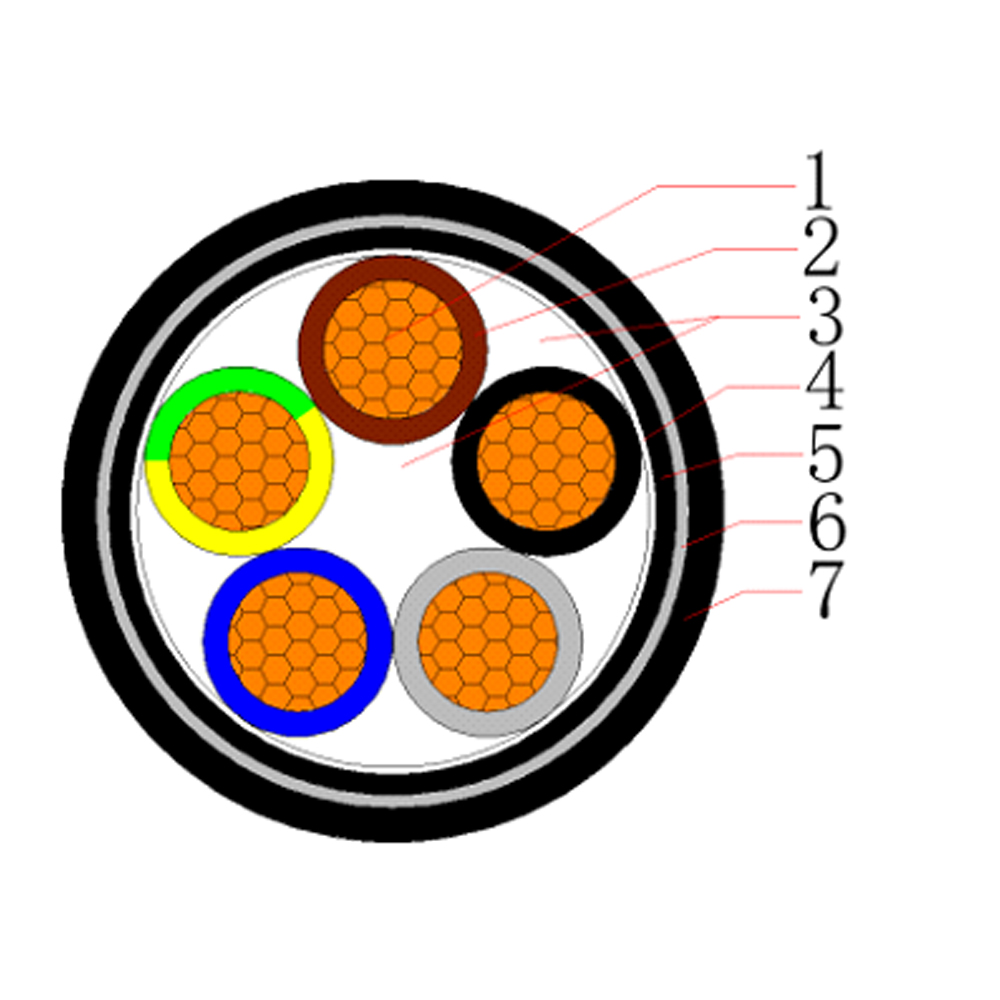
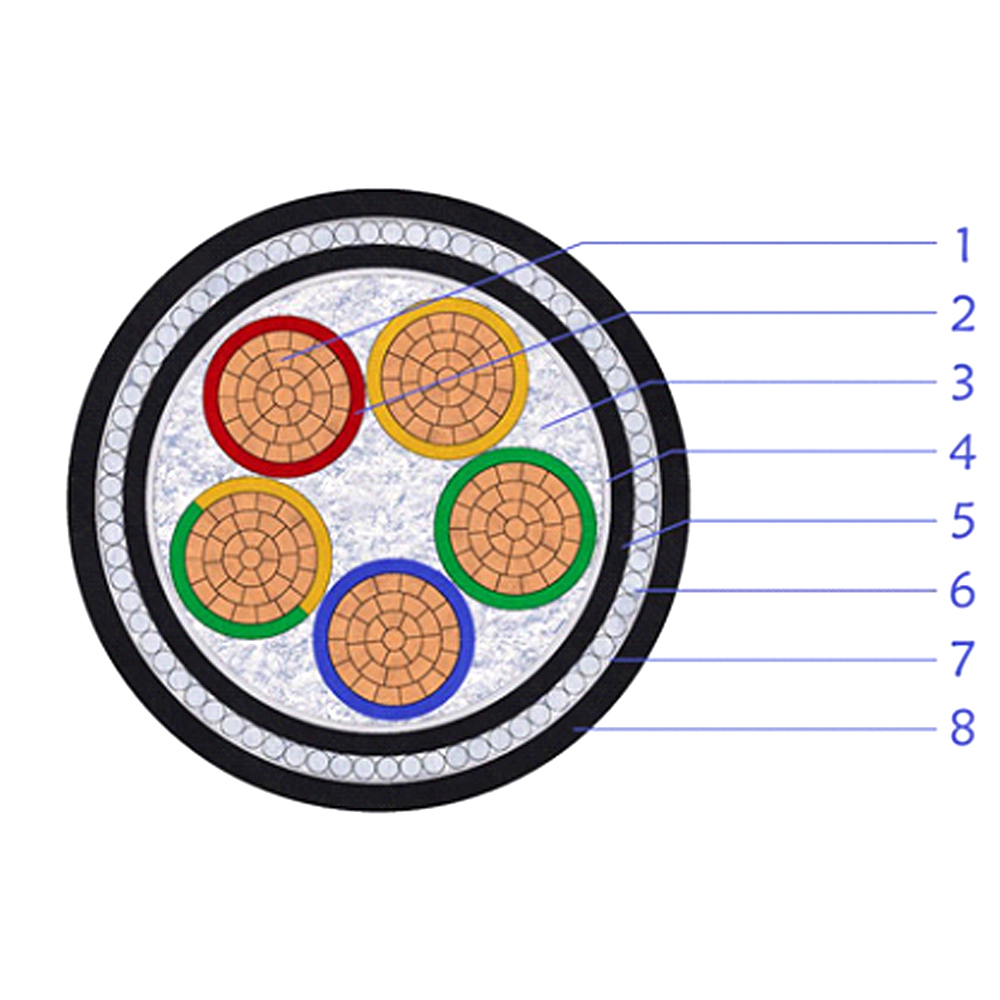
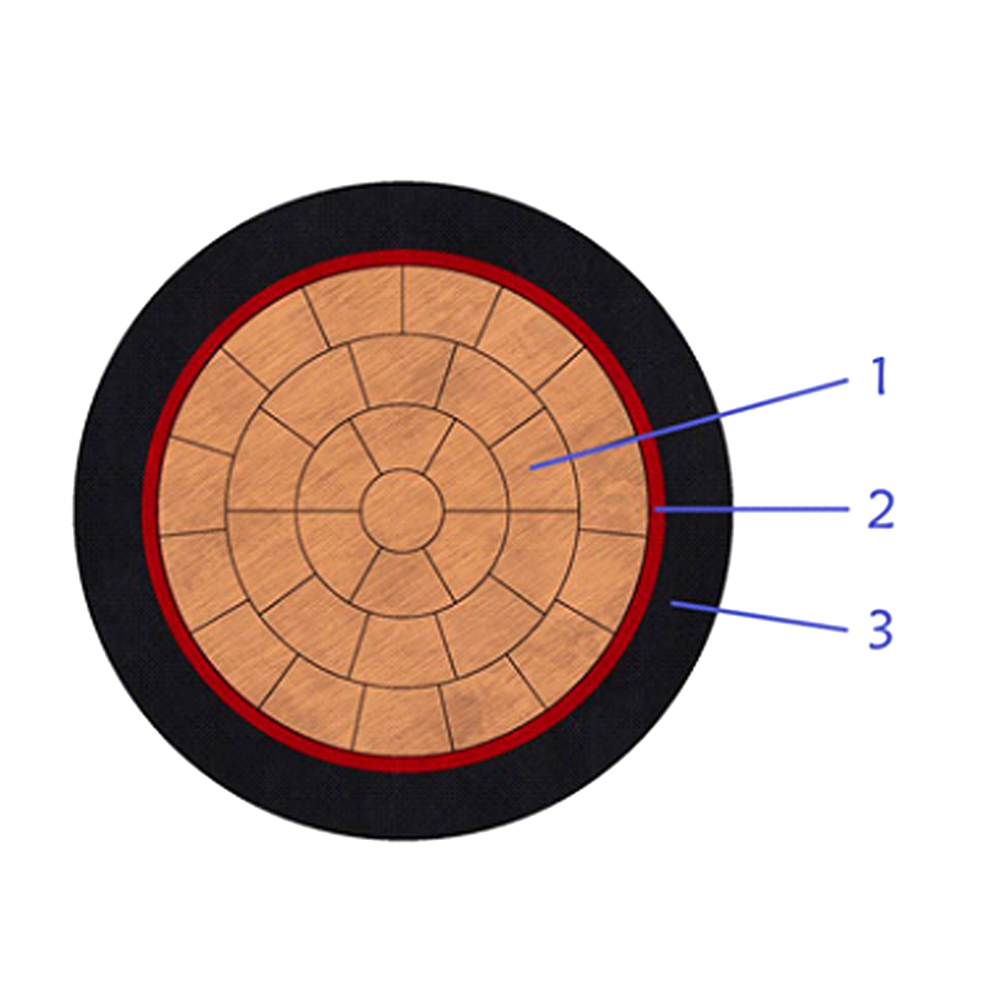
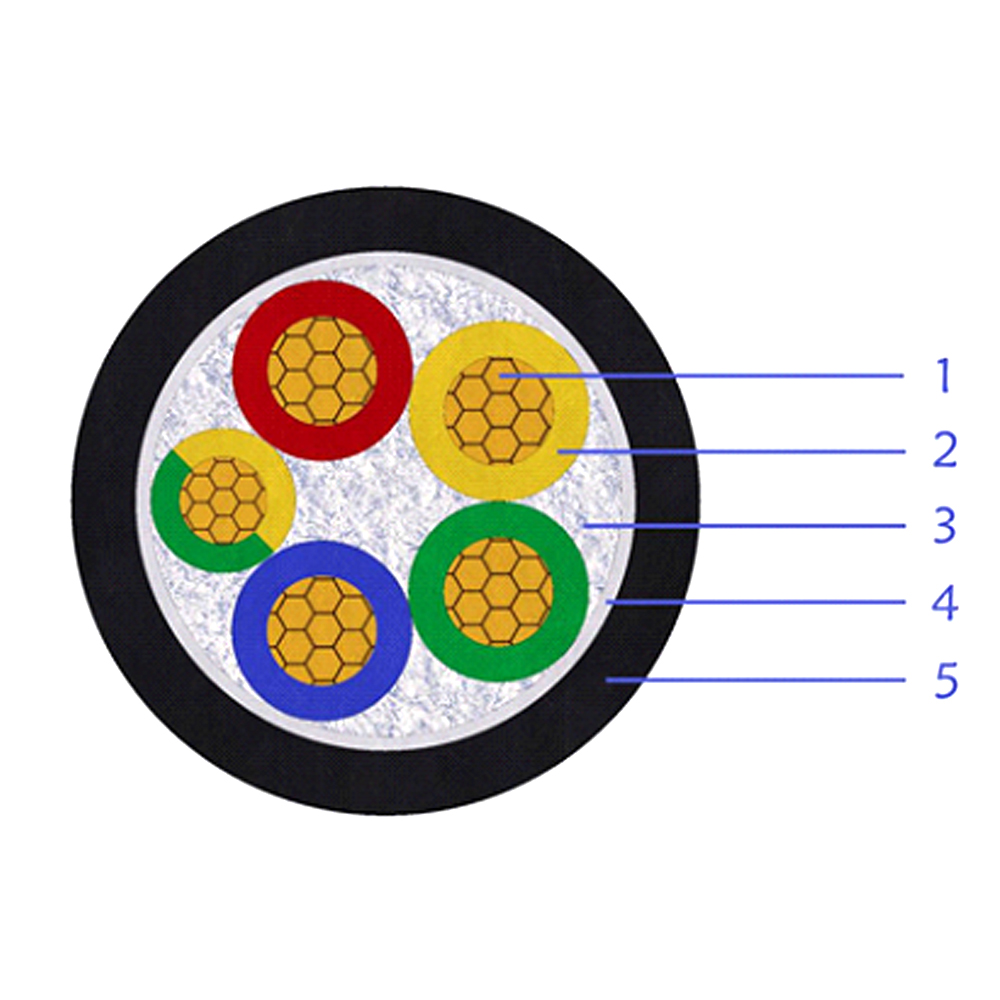
LV Power Cables are used for the transmission and distribution of electrical power at low voltage levels in residential, commercial, and industrial systems. They are commonly installed in power networks, building electrical systems, and equipment connections, where stable and efficient power delivery is required. These cables support the connection between power sources, distribution boards, and end-use equipment, forming a key part of everyday electrical infrastructure.
From a construction perspective, LV power cables are designed with conductors and insulation systems suitable for continuous power transmission under standard operating conditions. Different core configurations and sheath materials are available to match installation methods such as fixed laying, conduit installation, or cable trays. The design focuses on electrical reliability, mechanical protection, and compliance with relevant standards, allowing LV power cables to operate safely and consistently across a wide range of applications.

1996
160000㎡
10+Years
No.33+
For a Low Voltage Power Cable, conductor cross-sectional area is closely related to current-carrying capacity, voltage drop, heat generation, and long-term operating reliability. Selecting a conductor only according to the equipment's rated current can be insufficient because installation conditions also affect the actual permissible current. Ambient temperature, cable grouping, installation method, ventilation, and surrounding thermal conditions can all influence heat dissipation.
A larger conductor generally reduces electrical resistance and voltage drop, but increasing conductor size also increases cable diameter, weight, material consumption, and installation cost. Therefore, professional cable selection should balance electrical performance with the actual installation requirements. For long-distance power transmission, voltage drop may become particularly important even when the operating current remains within the nominal capacity of the cable.
When purchasing an IEC Standard Low Voltage Power Cable, buyers should not assume that the word “IEC” alone defines the complete technical specification. Different IEC standards address different cable constructions, insulation systems, testing methods, installation applications, and performance requirements. The applicable standard and its specific edition should therefore be confirmed according to the intended cable type and market.
For international projects, the technical documentation should clearly identify the applicable IEC standard, conductor configuration, rated voltage, insulation material, sheath material, temperature rating, testing requirements, and other relevant parameters. This reduces ambiguity when buyers compare products from different manufacturers and helps ensure that the cable supplied corresponds to the engineering specification rather than merely having a similar commercial name.
Wuxi Xinyu Cable Co., Ltd. has specialized in electrical wires and cables since 1996. Located near Lake Tai, the company operates on a site exceeding 160,000 square metres, including 36,000 square metres of production facilities Its broad manufacturing background supports a product portfolio covering eight major categories and more than 500 varieties.
The rated current of a power cable should always be interpreted together with its installation environment. A cable installed individually in a well-ventilated location can dissipate heat differently from several loaded cables installed together in a confined cable tray or conduit. When heat cannot escape efficiently, conductor temperature rises and the permissible continuous current may need to be reduced.
For a Low Voltage Power Cable used in industrial facilities, designers should therefore consider the number of simultaneously loaded circuits, spacing between cables, ambient temperature, installation depth, enclosure conditions, and thermal characteristics of the surrounding materials. These factors can have a direct influence on cable sizing and should be evaluated before the final specification is approved.
| Installation condition | Potential effect |
| Multiple loaded cables grouped together | Reduced heat dissipation and possible current derating |
| High ambient temperature | Lower thermal margin for continuous operation |
| Confined installation space | Heat accumulation may increase conductor temperature |
| Long cable run | Voltage drop becomes more significant |
Insulation selection affects the thermal performance and application range of low voltage cables. PVC insulation is widely used because it provides a practical combination of electrical insulation, mechanical performance, processability, and cost efficiency. Cross-linked insulation is designed for applications where higher thermal performance and specific operating requirements are important.
The choice should be based on the actual operating temperature, installation environment, electrical loading, and applicable technical standard rather than assuming that one insulation system is universally better. A correctly specified cable can provide the required performance without unnecessary material or procurement costs.
Industrial power distribution places greater demands on cable selection because electrical loads may vary significantly during operation. Motors, production equipment, heating systems, control systems, and other loads can create different current characteristics within the same facility. The cable specification should therefore consider both normal operating conditions and foreseeable abnormal conditions.
For industrial projects, an appropriate Low Voltage Power Cable should be evaluated according to conductor construction, insulation, sheath protection, rated voltage, current capacity, voltage drop, short-circuit performance, installation method, and environmental exposure. Where fire safety is a concern, flame-retardant or fire-resistant cable constructions may also be considered according to the project's requirements.
Wuxi Xinyu Cable Co., Ltd. offers a diversified product portfolio that includes polyvinyl chloride insulated wires, all-plastic power cables, all-plastic control cables, cross-linked power cables, computer cables, flame-retardant and fire-resistant power cables, flame-retardant and fire-resistant cross-linked power cables, and shielded cables. This range allows different electrical and safety requirements to be addressed through corresponding cable constructions.
For international procurement, technical documentation is an important part of cable evaluation. Before placing a large order, buyers should compare the manufacturer's datasheet with the project specification and verify that the stated cable construction, dimensions, electrical characteristics, testing requirements, and applicable standards are consistent.
| Specification | Information to check |
| Standard | Applicable IEC standard and relevant technical requirements |
| Conductor | Material, construction, cross-sectional area, and resistance |
| Insulation | Material, thickness, temperature characteristics, and electrical performance |
| Outer sheath | Material, dimensions, and environmental protection |
| Testing | Routine, sample, and type-test requirements where applicable |
Buyers should also distinguish between a product being manufactured according to a stated standard and a specific project requiring additional approval, certification, or testing. For large infrastructure or industrial projects, these additional requirements should be identified during the quotation stage rather than after production has started.
Large electrical projects rarely depend on one cable construction. Power distribution may require power cables, equipment may require control cables, sensitive systems may require shielded cables, and safety-critical circuits may require flame-retardant or fire-resistant products. A manufacturer with a broad portfolio can make it easier for procurement teams to coordinate multiple specifications within the same project.
With more than 500 varieties across eight major categories, Wuxi Xinyu Cable Co., Ltd. has a product range covering different electrical and application requirements. The company's more than 160,000-square-metre site, including 36,000 square metres of production facilities , provides a substantial manufacturing foundation for its cable business.
For buyers sourcing an IEC Standard Low Voltage Power Cable, this type of product breadth can be useful when several cable categories must be coordinated. Instead of evaluating each cable specification independently, procurement teams can establish a consistent technical communication process covering conductor requirements, insulation systems, testing, packaging, documentation, and delivery for the complete cable program.

Ready To Customise
Your Cable Products?

 +852-68552081


 Language

 English
 русский
 Español
 عربى
عربى