+852-68552081


 Language

 English
 русский
 Español
 عربى

Home / News / Industry News / Aerial Insulated Cables: Product Introduction and Selection Specifications
New

Content
Aerial insulated cables (ABC bundled conductors / aerial covered conductors) improve operational safety for overhead distribution lines. This document covers insulation classes, ampacity derating, matching-fitting selection, ultraviolet-resistance requirements, and common construction-related hazards.
Bare conductors such as steel-reinforced aluminum conductors, all-aluminum conductors, and all-aluminum-alloy conductors rely on air gaps for insulation. For aerial insulated cables, a polymer insulation layer, typically cross-linked polyethylene or ultraviolet-resistant polyethylene, is extruded around each aluminum conductor. This insulation layer prevents short-circuit faults caused by tree-branch abrasion, bird-caused bridging, contact from low-growing vegetation, and accidental human contact. It allows reduced phase-to-phase safety clearances and narrower line-corridor land occupation, making these cables suitable for routing in urban areas, suburban zones, and regions with dense tree cover.
A key limitation of aerial insulated cables lies in heat dissipation. The insulation layer obstructs heat release. Under identical solar-irradiation and wind-speed conditions, aerial insulated cables of the same gauge carry lower ampacity compared with bare conductors. Ampacity derating should be performed according to solar-irradiation load, ambient temperature, and bundled-laying conditions. Commercially available conventional aerial insulated cables mostly adopt aluminum conductors. Aluminum material balances line weight, cost, and tensile performance required for overhead spans.
Two main product forms are available: single covered conductors and multi-core ABC bundled conductors. Two-core, three-core and four-core bundled conductors twist phase conductors together with neutral conductors. They see wide application in service drop lines and rural electrification projects.
Cross-linked polyethylene serves as the dominant insulation material for aerial insulated cables. It permits a long-term operating temperature of 90 ℃ and delivers good water-tree resistance. It exhibits sound dielectric performance for low-voltage (0.6/1 kV) and medium-voltage (10 kV, 11 kV, 20 kV) overhead lines. Polyethylene insulation is also used, yet it has softer texture and deforms more readily under heat exposure.
Ultraviolet resistance constitutes a mandatory performance metric. Without carbon-black additives or ultraviolet stabilizers, ordinary polyethylene or cross-linked polyethylene exposed to outdoor sunlight develops cracking, chalking and functional failure within several years. For lines running along coastlines, high-sunlight zones and open-field sections, specify insulation compound with carbon-black or certified ultraviolet stabilizers. General flame-retardant grades do not inherently provide ultraviolet resistance; these represent separate performance attributes.
Rated voltage shall match grid-system voltage levels. Low-voltage bundled conductors apply to residential service entry, street-light power supply and small-commercial feeder circuits. Medium-voltage aerial insulated cables function as main-line distribution conductors and are also referred to as covered conductors. Even with comparable outer dimensions, low-voltage aerial cables shall not be deployed for medium-voltage circuits.
- Rural distribution lines along routes with dense vegetation - Urban overhead lines with constrained routing space where maintaining standard safety clearances proves difficult - Service drop lines from utility poles to buildings, commonly using two-core or three-core bundled conductors - Coastal zones and industrial areas with elevated contact-risk levels - Street-light circuits, agricultural-irrigation power supply and temporary overhead power circuits
These cables are not intended for long-distance high-voltage power transmission and carry mechanical-application constraints. Sharp friction, heavy ice loading and installation-tension beyond design limits can damage insulation. Aerial insulated cables cannot substitute for buried cables. They remain overhead-type products and shall comply with specifications governing sag, tension and ground-to-conductor clearances. For routes passing through heavy-ice zones, high-wind zones or long-span sections, verify conductor tensile strength and obtain sag-and-tension data from suppliers.
Selection work starts with conductor cross-section. Insulation-layer heating and solar-radiation-induced temperature rise alter usable ampacity. Base selection on ampacity tables provided by manufacturers for overhead operating conditions, and avoid direct reuse of ampacity values intended for buried cables. Multi-core twisted bundled structures generate mutual heating among conductors and bring further ampacity reduction.
Voltage-drop calculation is needed for long-span lines. Aluminum conductors show higher resistivity than copper conductors. Long-distance service-entry lines may experience excessive voltage drop. For remote-farm circuits and extended rural distribution routes, the final selected cross-section often exceeds the size calculated purely against thermal-load requirements.
One frequent procurement pitfall involves direct reuse of cross-section specifications from legacy bare conductors. When replacing a 70 mm² steel-reinforced aluminum conductor to retain equivalent current-carrying capacity, derating factors may call for a 95 mm² aerial insulated-cable alternative.
Aerial insulated cables must pair with overhead hardware purpose-built for insulated conductors. Hardware clamps designed for bare conductors may squeeze and cut through insulation and shorten service life. Select compatible suspension clamps, tension clamps, piercing connectors and cable terminals.
Control pulling tension and bending radius strictly during cable pulling operations. Prevent cable dragging over rough ground. Deploy cable-reel stands and pulling sheaves. Scratches to insulation layers allow moisture ingress and trigger tracking-erosion damage, a concern with heightened relevance for medium-voltage circuits. Adjust sag values against manufacturer-issued sag-tension tables corresponding to design-temperature ranges. Excessive tension stretches conductors; overly large sag reduces clearance margins and increases swing-related contact risks under wind conditions.
Preserve insulation integrity at joints and termination points, and apply sealing and moisture-proofing treatments for end caps and joint assemblies. For medium-voltage covered conductors, install shielding and stress-control components following local regulatory codes.
While insulation layers mitigate risks from accidental contact, energized cables shall never be touched directly. Standard procedures for live-line work and power-isolation protocols remain fully applicable.
Relevant standards include IEC 60502 and local power-utility specifications. Overhead-engineering projects in North-American regions also follow NESC. For export-oriented projects, confirm test-item coverage covering insulation resistance, voltage withstand, ultraviolet-aging performance, tensile-load capacity and short-circuit thermal stability. Retain safety-data-sheets and test reports for on-site audit purposes.
Q: Does aerial insulated cable mean ABC bundled conductor? A: ABC bundled conductor represents a widely-used subset of aerial insulated cables. Most ABC products are multi-core twisted low-voltage service-entry conductors. Single-core medium-voltage covered conductors also fall under aerial-insulated-cable classification yet do not belong to the ABC product category.
Q: Do aerial insulated conductors permit smaller safety clearances compared with bare conductors? A: Local codes generally allow reduced phase-to-phase separation distances. Ground‑conductor clearance requirements stay unchanged and shall conform to power‑industry and national electrical‑system standards.
Q: Do aerial insulated cables of identical cross-section deliver lower ampacity than bare conductors? A: Yes. Insulation layers trap heat, so ampacity derating applies under solar-irradiation and bundled-laying conditions.
Aerial insulated cables reduce fault risks stemming from vegetation interference and accidental contact and enhance overhead-distribution-system safety. They cannot serve as drop-in direct replacements for bare conductors. Selection processes shall account for ampacity derating, ultraviolet-resistance performance, sag-and-tension parameters and purpose-matched overhead hardware. Cross-linked polyethylene constitutes a preferred insulation material for low-voltage and medium-voltage lines. Bundled conductors suit service-drop-line and rural-distribution-system applications. Prior to placing orders, obtain sag-and-tension datasets and ultraviolet-resistance-test certificates. Avoid hardware clamps intended for bare conductors to prevent insulation-surface cutting injuries.
Should you require ultraviolet-resistant cross-linked-polyethylene aerial insulated cables, custom-configuration bundled conductors or product documentation for power-tender projects, reach out to our technical team for sample access and quotation support.
Founded in 1996 beside Taihu Lake, Wuxi Xinyu Cable operates as a specialized cable manufacturer. Its product portfolio covers high- and low-voltage power cables, control cables, photovoltaic cables, aerial insulated cables, bare overhead conductors and building wires, with more than 500 product variants. The company accumulates practical project experience for large-scale power-engineering assignments and export-oriented business.
Should you require aerial insulated cables or documentation for power-tender projects, reach out to our technical team for sample access and quotation support.
Official website: https://www.xinyucables.com
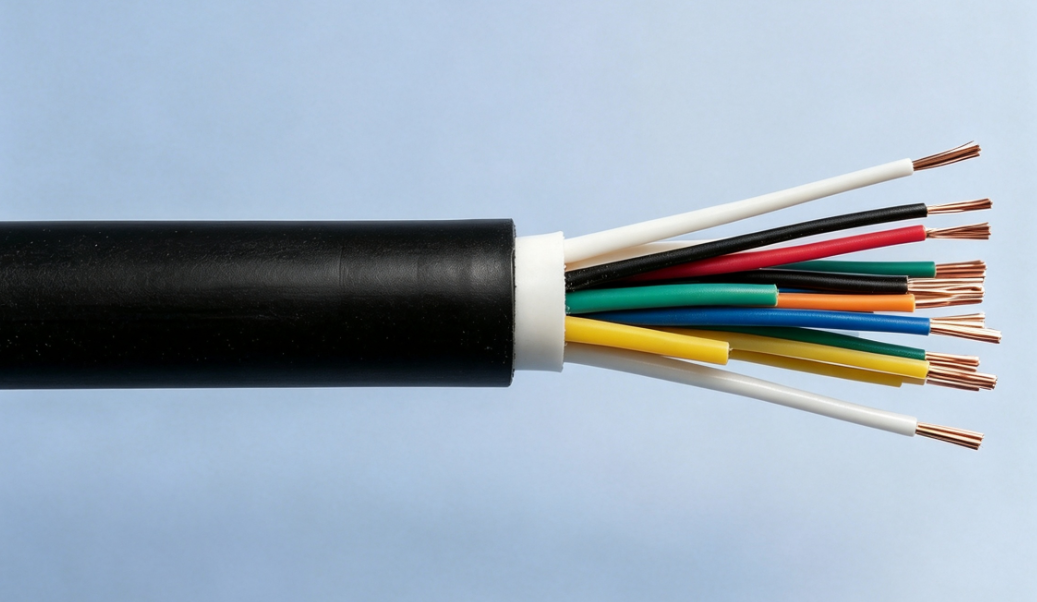
Suitable for transmission of analogue and digital control signals between comput......
+ VIEW MORE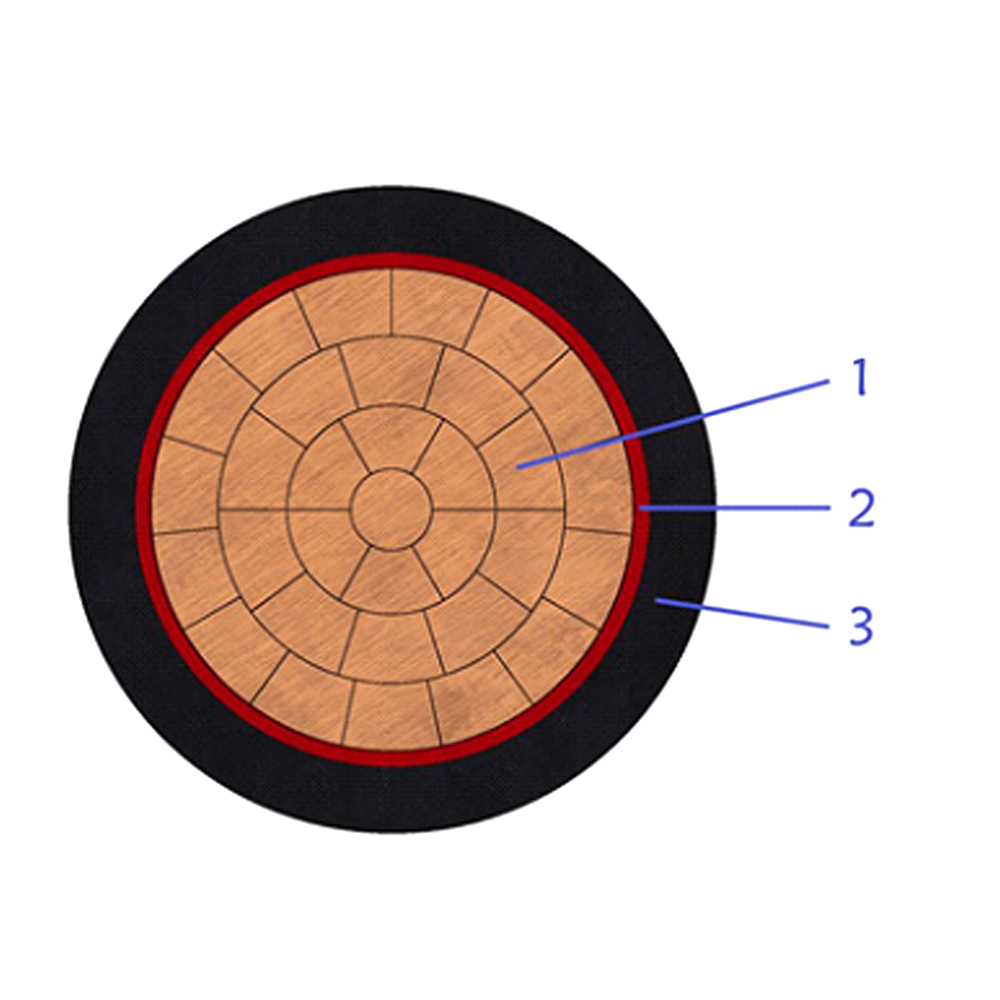
This single-core CU/PVC/PVC cable is designed for low-voltage power transmission......
+ VIEW MORE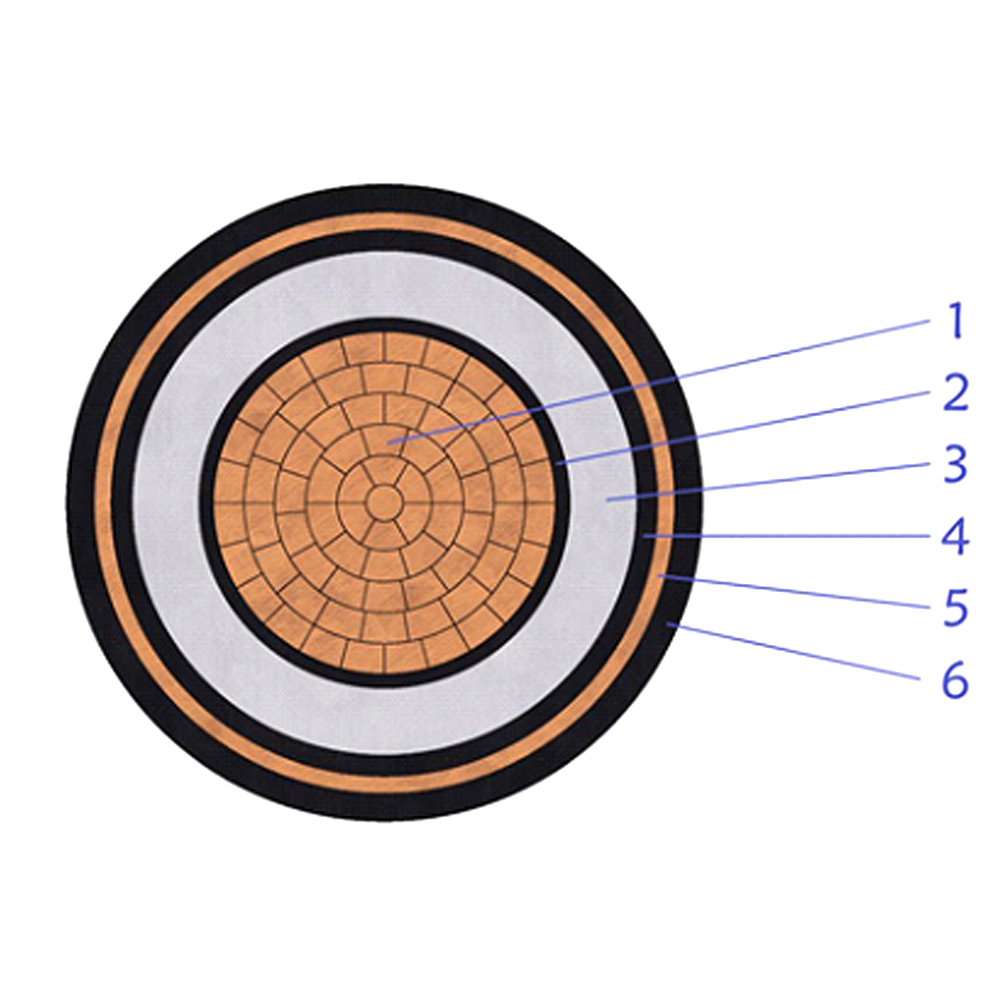
This 12/20(24)kV XLPE insulated unarmored power cable is intended for medium vol......
+ VIEW MORE
This multi-core XLPE insulated unarmored power cable is designed for medium volt......
+ VIEW MORE
The multi-core CU/PVC/PVC cable is engineered for low-voltage distribution where......
+ VIEW MORE
This multi-core XLPE insulated unarmored power cable is designed for medium volt......
+ VIEW MORE
Ready To Customise
Your Cable Products?