+852-68552081


 Language

 English
 русский
 Español
 عربى

New
This 6/10(12)kV medium voltage power cable is manufactured with copper conductor......
+ VIEW MORE
Content
Short answer: choosing low voltage cable for a construction project comes down to five decisions—confirm the voltage rating and conductor, size by load/derating/voltage drop, match the construction to the site, lock the standard and test evidence, and write an RFQ complete enough for the factory to quote accurately. Get these five right before the PO is issued, and the cable passes inspection, meets the engineer's specification and arrives on schedule.
Sourcing LV cable is not about picking price per meter from a catalogue. The cable has to pass site inspection, satisfy the consulting engineer, endure the installation environment for twenty years or more, and land on the date the drum schedule specifies. Xinyu Cable manufactures LV power cables for project supply, wholesale and custom orders—and many of the costly mistakes we see buyers make happen before the purchase order, inside the specification and the RFQ.This guide covers the selection points that actually change the quotation and the delivered result.
|
Decision |
What to confirm |
Typical answer |
|
Voltage rating |
Distribution vs. control circuit |
0.6/1 kV for LV distribution; 450/750 V for control & small fixed wiring |
|
Conductor |
Copper vs. aluminium |
Copper for tight terminations & reliability; aluminium on large sizes where cost justifies it |
|
Insulation |
PVC vs. XLPE |
PVC for general indoor (70 °C); XLPE for higher current, heat, long runs (90 °C) |
|
Construction |
Armour, sheath, fire performance |
SWA/STA for burial & mechanical protection; LSZH/fire-resistant where required |
|
Compliance |
Standard & test evidence |
Match IEC/GB/BS/UL; request type & routine test reports |
Three parameters decide the whole family of cable you need: the system voltage, conductor material and insulation type.
Fixing these parameters prevents quotations from being compared on unequal terms.
A cable one size down from the calculation is expensive saving on a project, because it surfaces during commissioning.
A supplier who quotes a size without asking about the installation method is quoting a number, not a cable.
Construction sites are mechanically hostile, and each route demands a different build:
Getting this wrong is rarely a purchase-cost problem—it's a rejection problem at inspection.
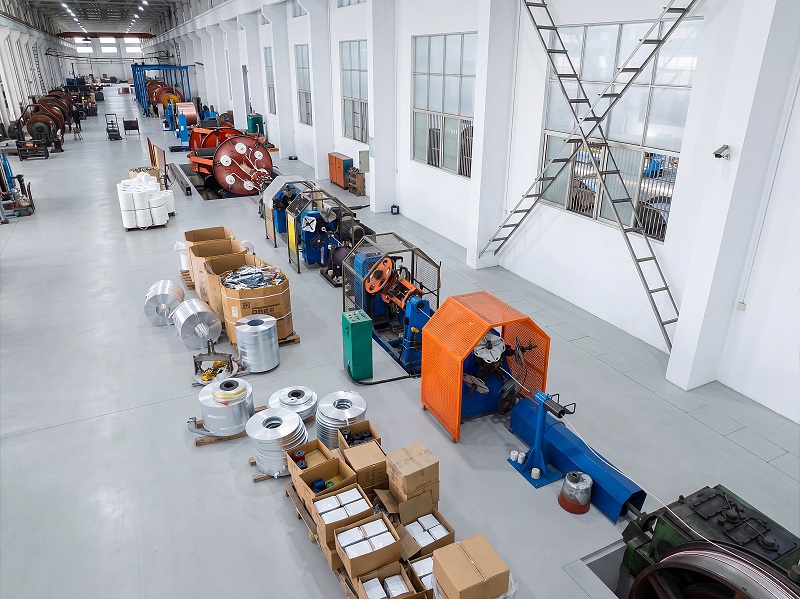
Different markets specify different standards: IEC 60502-1, GB/T 12706, BS 6500, BS 6724, or UL/ASTM references for North American projects. The standard governs conductor stranding, insulation thickness, armour coverage, marking and test sequence—and a cable that meets one is not automatically acceptable under another.
Before a PO, request the type test reports, routine test records and any third-party inspection the project requires. A supplier who cannot produce test documentation for the size you are buying should not be on the bid list, however competitive the price.
Many re‑quotations and delivery disputes trace back to incomplete enquiry documents. A usable RFQ for LV power cable states:
Add the installation method and ambient conditions if you want the supplier to confirm sizing. The more complete the enquiry, the fewer technical qualifications appear in the quotation—and qualifications are where price comparisons break down.
For distributors and contractors buying in volume, the practical questions are cut lengths, drum configuration, mixed container loading and MOQ per size. A factory that can produce fixed cut lengths to the drum schedule, print the buyer's own marking on the sheath and load several sizes into one container removes a warehouse step on the buyer's side. Custom sheath colour, core identification and length tolerances should be agreed in writing at order stage—not discovered at delivery.
For project supply, arrange the verification you actually need: conductor resistance measurement, insulation thickness and spark testing, high-voltage routine tests and, where specified, a third-party witness during testing. Photographs of drum labels, test certificates and container loading are a reasonable for buyers who cannot attend the factory. This step is cheap against the cost of re-testing or replacing cable on site.
LV cable quotations are normally linked to the copper price at order confirmation, because metal is the dominant cost component. Ask how the copper basis is fixed, how long the quotation holds and what happens if the order is placed later. Drum diameter and length affect how much cable fits in a container, so freight per meter is a selection decision as well as a purchasing one. Where the programme is tight, agree the delivery sequence by size rather than a single shipment date.
What is the difference between 0.6/1 kV and 450/750 V cable?
0.6/1 kV is the standard rating for LV power distribution in buildings and plants. 450/750 V is typically used for control, signal and smaller fixed wiring—using it on a distribution circuit is a specification error, not a cost saving.
Copper or aluminium conductor for a construction project?
Copper is the default where terminations are tight, sizes are small or reliability is critical. Aluminium is viable on larger distribution sizes where the cost difference justifies larger cross-sections and proper bimetallic joints.
PVC or XLPE insulation?
PVC for general indoor wiring at moderate temperature. XLPE where higher conductor temperature, higher current density, longer runs or fire-performance requirements apply.
Do you supply armoured cable for direct burial?
Yes—steel wire or steel tape armoured constructions are produced for direct burial and mechanically exposed routes, with sheath options to suit soil and moisture conditions.
What is the MOQ for wholesale supply, and can lengths be customised?
MOQ depends on size and construction; custom cut lengths to a drum schedule are standard for project orders and should be stated in the enquiry so they are priced correctly.
Can test reports and third-party inspection be provided?
Routine test records and type test reports are supplied with project orders, and third-party witness testing can be arranged when the specification requires it.
If you're preparing cable specifications for an upcoming construction tender—or need support to confirm sizing, standards, test documentation and delivery schedule—the Xinyu engineering team can help. Xinyu Cable provides custom quotations, project-specific technical support and complete certification packages for bulk and project orders. Send your RFQ for a tailored solution.
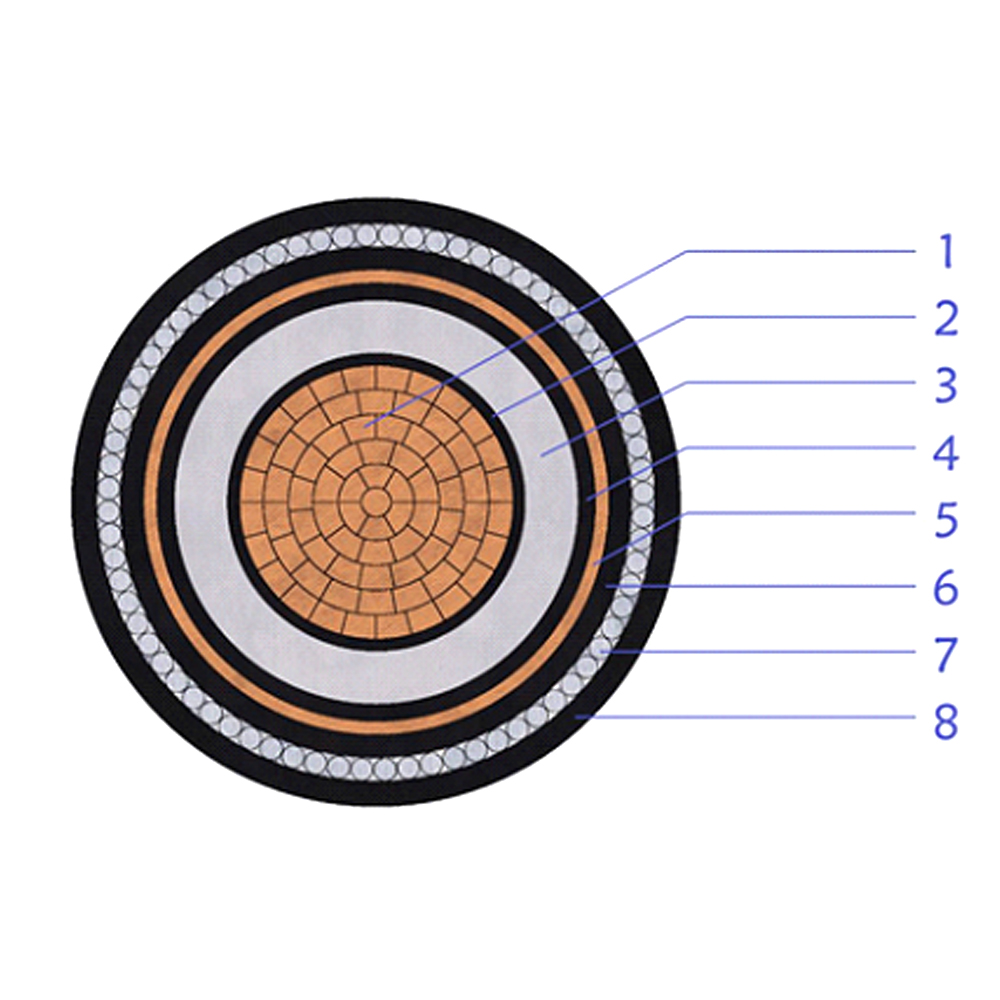
This 6/10(12)kV medium voltage power cable is manufactured with copper conductor......
+ VIEW MORE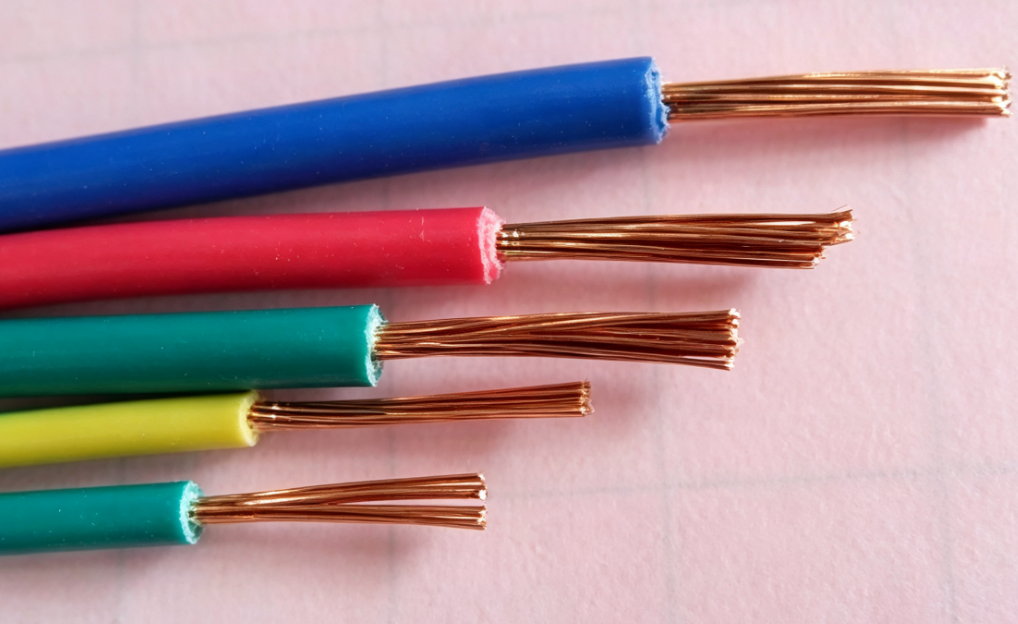
Suitable for fixed wiring, power and lighting circuits, internal and external co......
+ VIEW MORE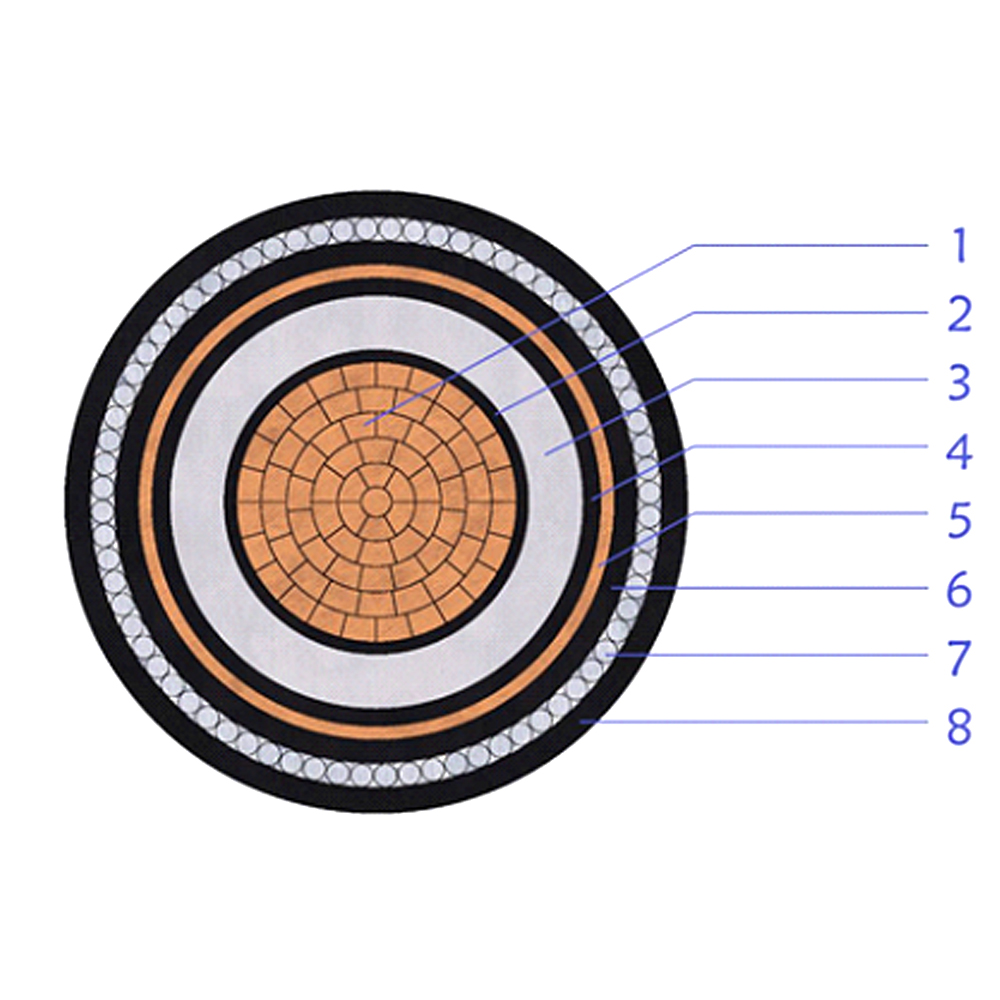
This 8.7/15(17.5)kV medium voltage power cable is designed with compacted copper......
+ VIEW MORE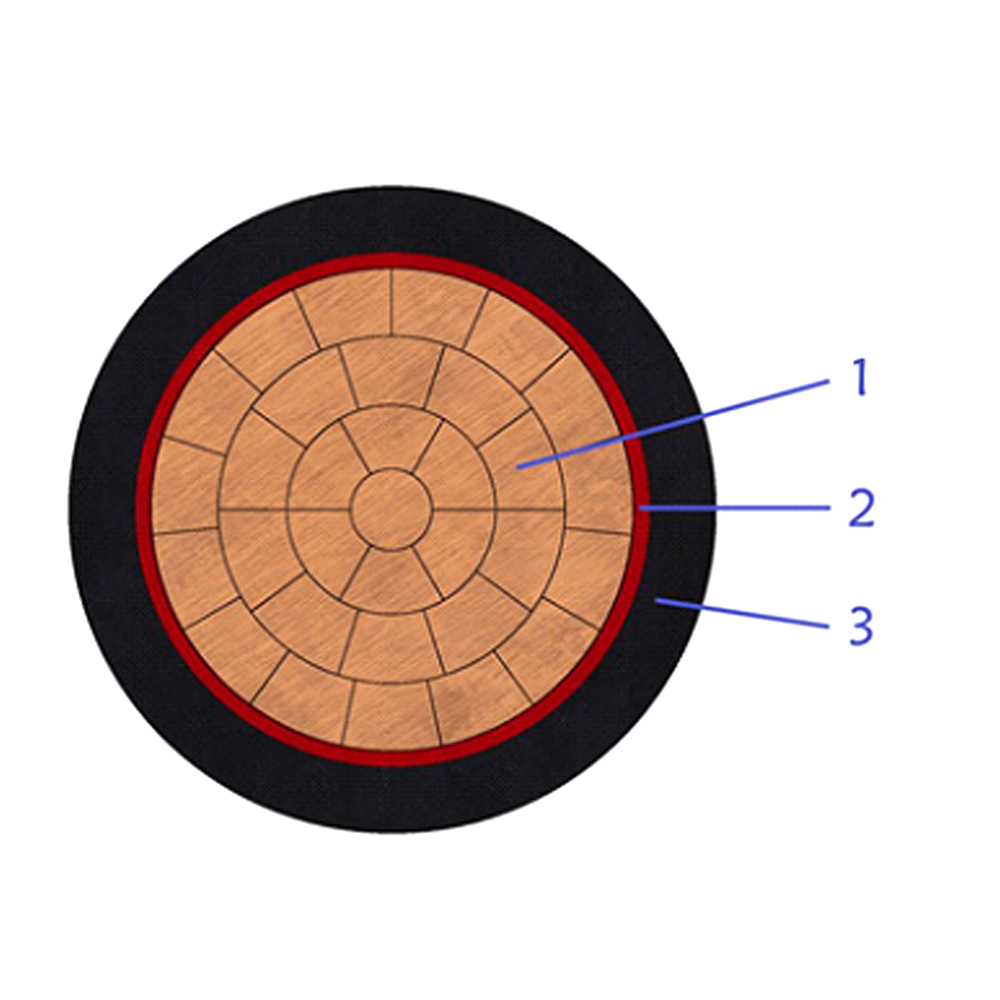
This single-core CU/PVC/PVC cable is designed for low-voltage power transmission......
+ VIEW MORE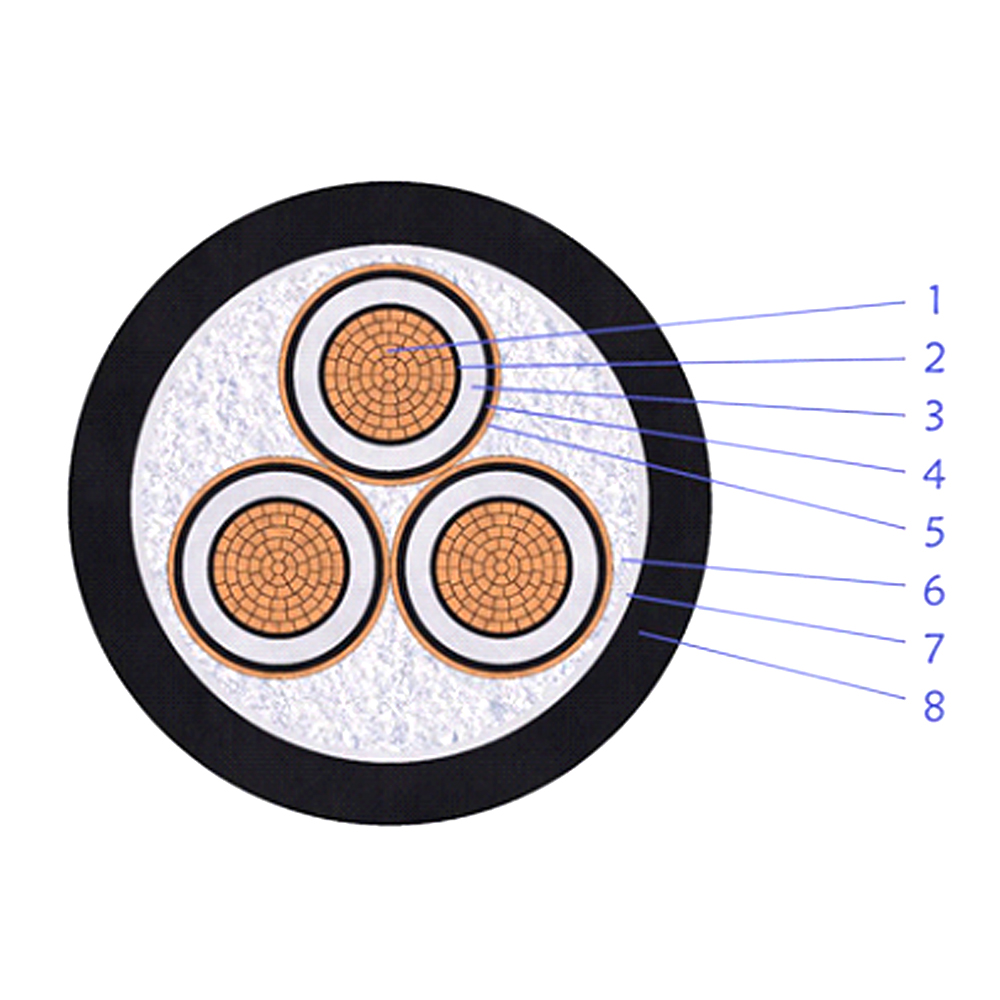
This multi-core XLPE insulated unarmored power cable is designed for medium volt......
+ VIEW MORE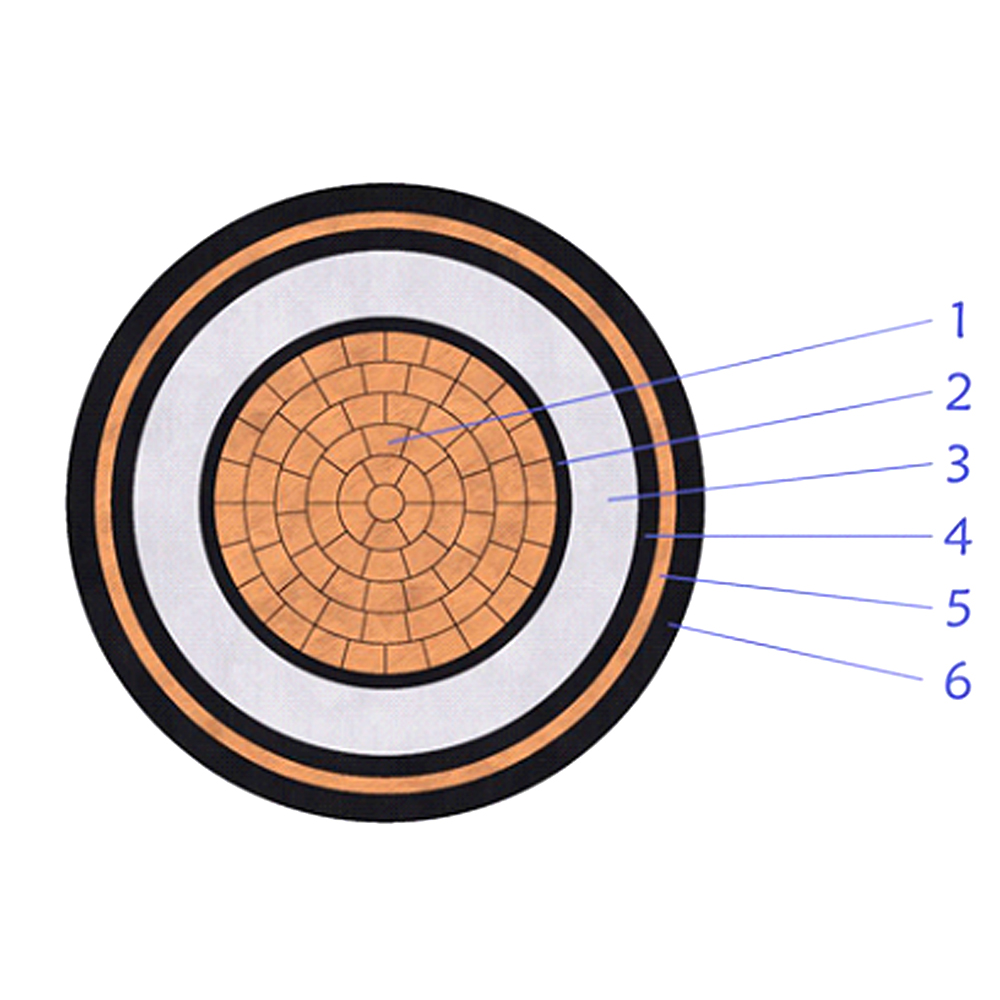
This 6/10(12)kV XLPE insulated unarmored power cable is intended for medium volt......
+ VIEW MORE
Ready To Customise
Your Cable Products?