+852-68552081


 Language

 English
 русский
 Español
 عربى

Home / News / Industry News / Medium Voltage Cable Selection: Matching Voltage Class, Screening and Armor to Your Project
New

Grid trunk lines, industrial plant distribution, and renewable energy collection circuits all rely on medium voltage (MV) cable. Compared with low voltage wiring, an MV cable whose construction does not match the site conditions tends to reveal problems only after energization. So when evaluating a medium voltage cable manufacturer, Quotation should come second to verifying whether the scope of construction aligns with your engineering scenario.
Common MV voltage classes include 3.6/6 (7.2) kV, 6/10 (12) kV, and 8.7/15 (17.5) kV up to 26/35 kV, per IEC 60502-2 and equivalent national standards. A manufacturer worth shortlisting should routinely offer:
Wuxi Xinyu Cable (xinyucables.com) is one example: its published MV range covers 3.6/6 (7.2) kV and 6/10 (12) kV designs in single-core and multi-core constructions with copper tape screen and SWA or double steel tape armor. The factory has manufactured cable since 1996, and its portfolio extends from MV down to low voltage power, control, computer, variable frequency, aerial, and solar PV cables. A broader portfolio generally means lower coordination cost when one project spans several voltage classes.
Cable construction is essentially derived from laying conditions:
Whether a manufacturer asks about your route, soil thermal resistivity, and fault level before quoting is a practical signal of technical depth — suppliers who quote purely from a part number tend to be reactive later.
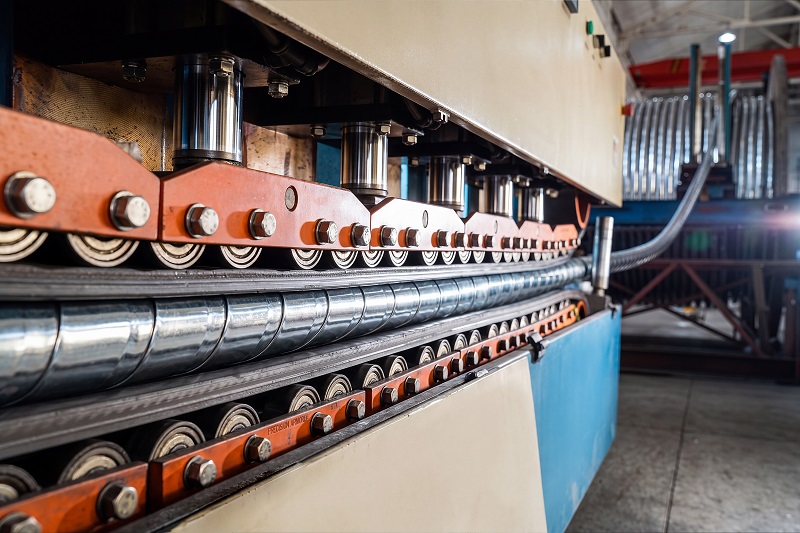
Beyond construction, supplier background determines long-term supply stability and can be cross-checked at low cost:
Many MV cable projects cycle through repeated revisions simply because inquiry was incomplete. Include:
With these five items, a manufacturer can propose conductor size, screening, and armor in one pass — cutting days of back-and-forth.
MV cable selection is about engineering fit: voltage class matched to the system, screening matched to fault level, armor matched to the installation — plus a verified manufacturer behind the product. Manufacturers with a complete MV-to-LV portfolio and long-standing grid supply experience, such as Wuxi Xinyu Cable, are a sensible starting point for a shortlist.
If you have project parameters ready, visit xinyucables.com to review the technical data for each MV cable type, or contact the Xinyu Cable engineering team for a laying-condition-specific selection proposal.
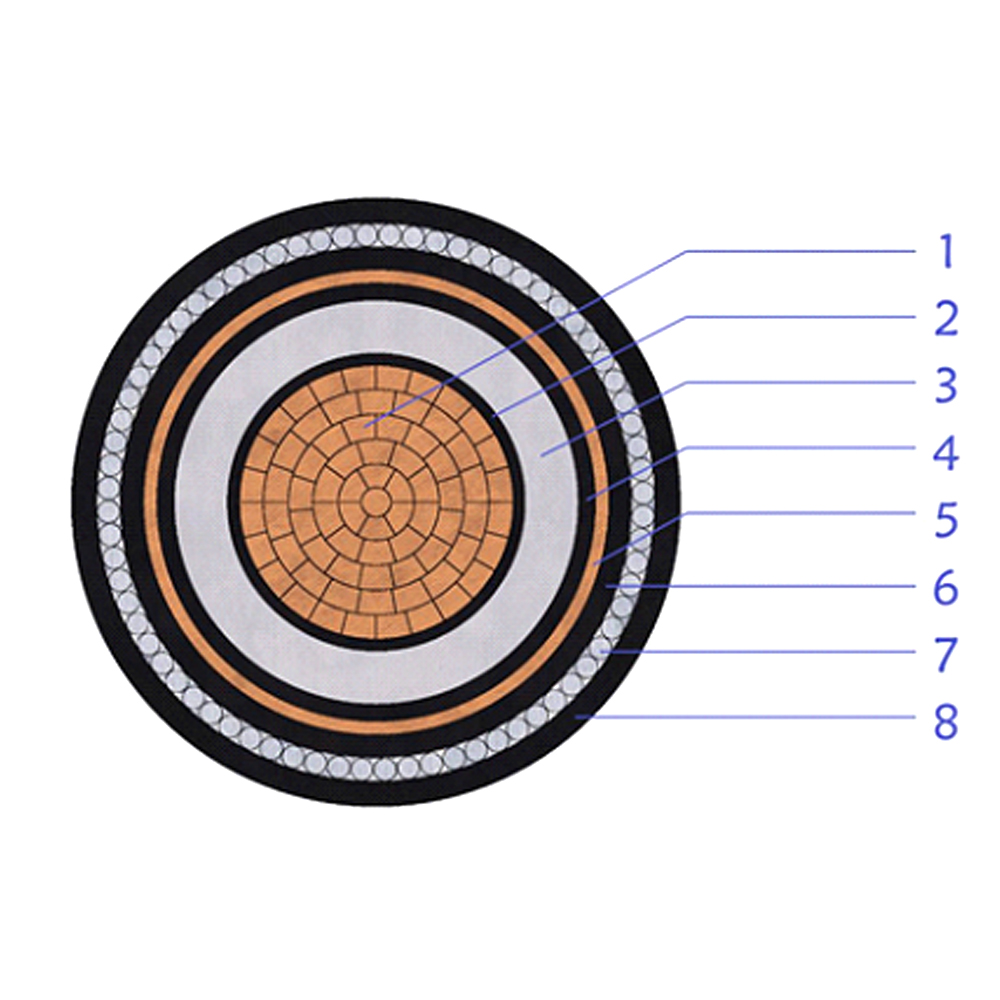
This 6/10(12)kV medium voltage power cable is manufactured with copper conductor......
+ VIEW MORE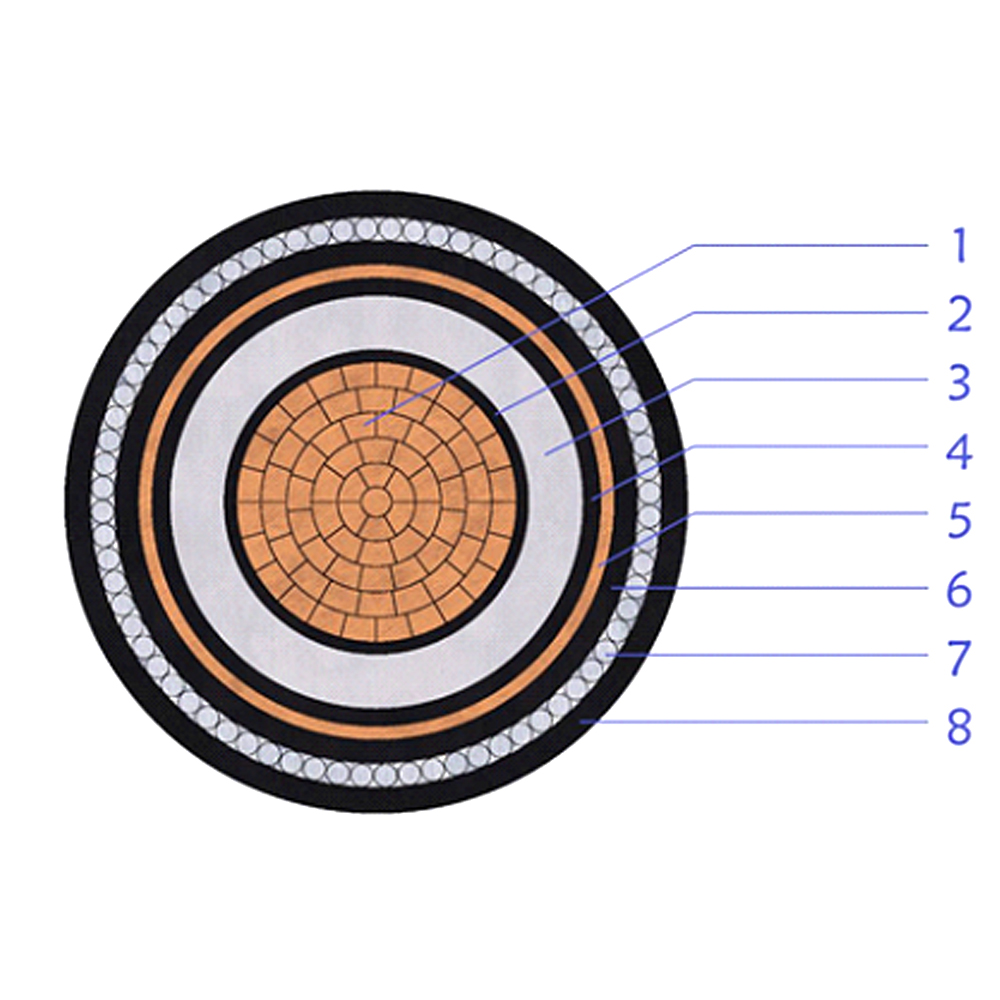
This 8.7/15(17.5)kV medium voltage power cable is designed with compacted copper......
+ VIEW MORE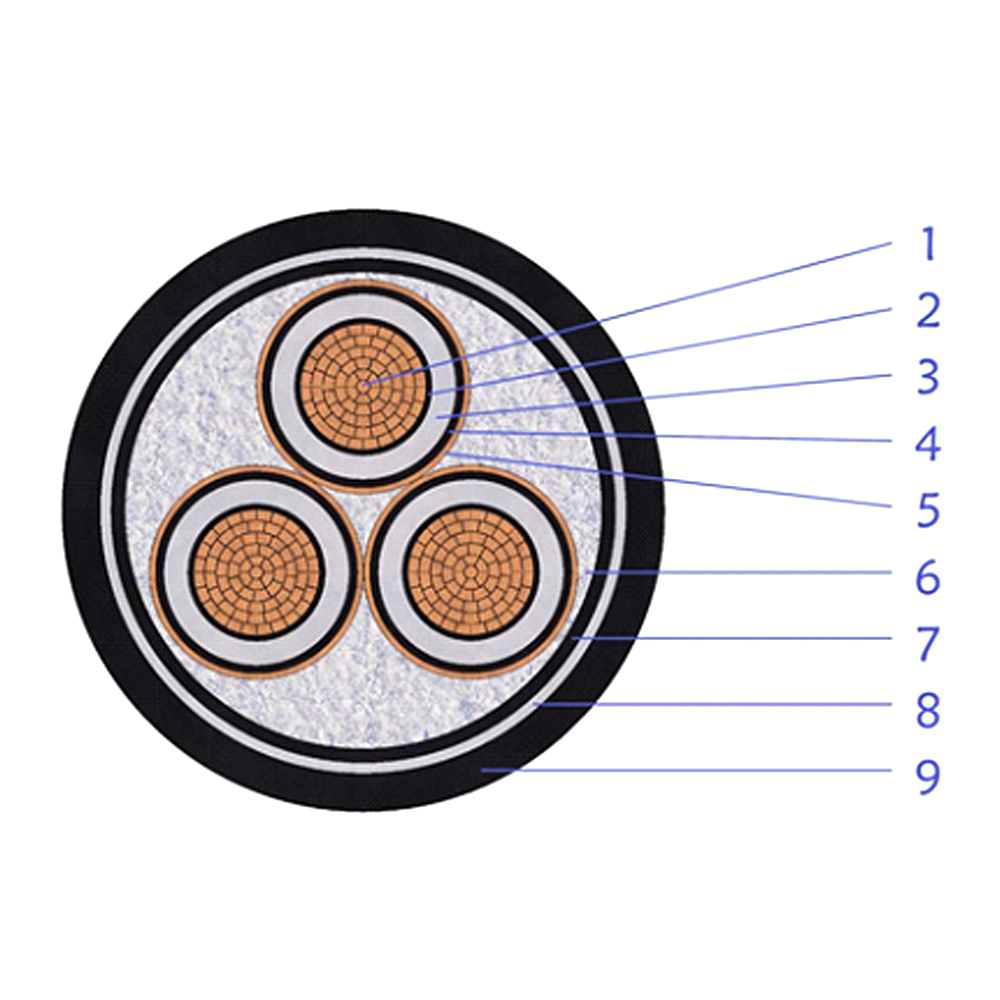
This 8.7/15kV multi-core power cable is constructed with compacted copper conduc......
+ VIEW MORE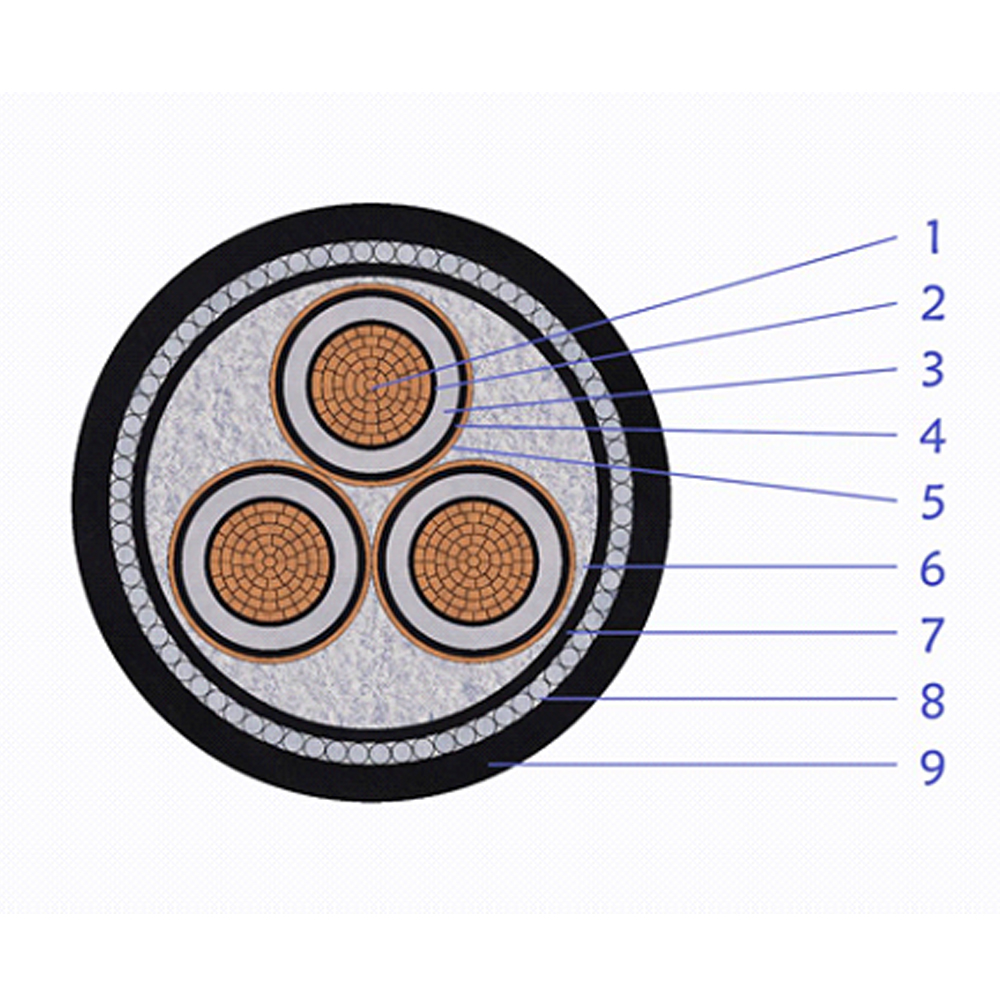
This 6/10kV multi-core power cable is constructed with compacted copper conducto......
+ VIEW MORE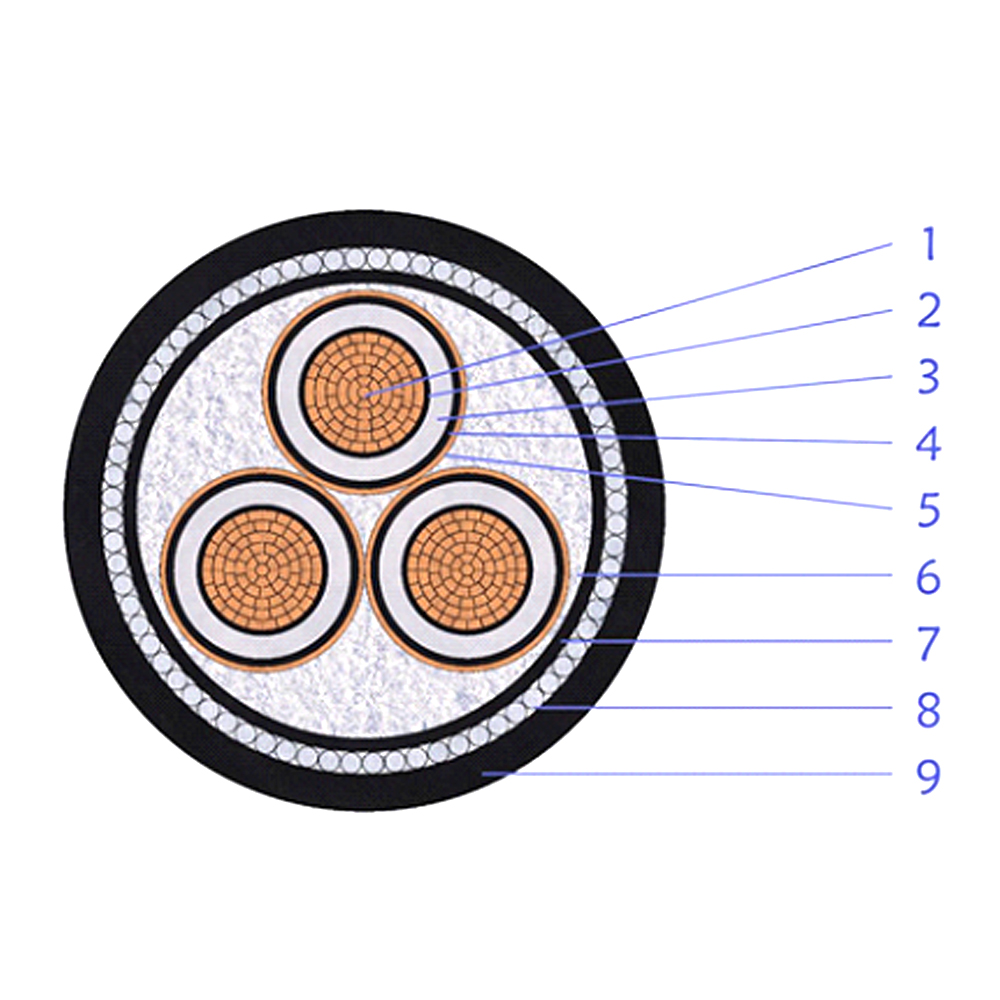
CU/XLPE/CTS/PVC/SWA/PVCThis multi-core medium-voltage power cable features XLPE ......
+ VIEW MORE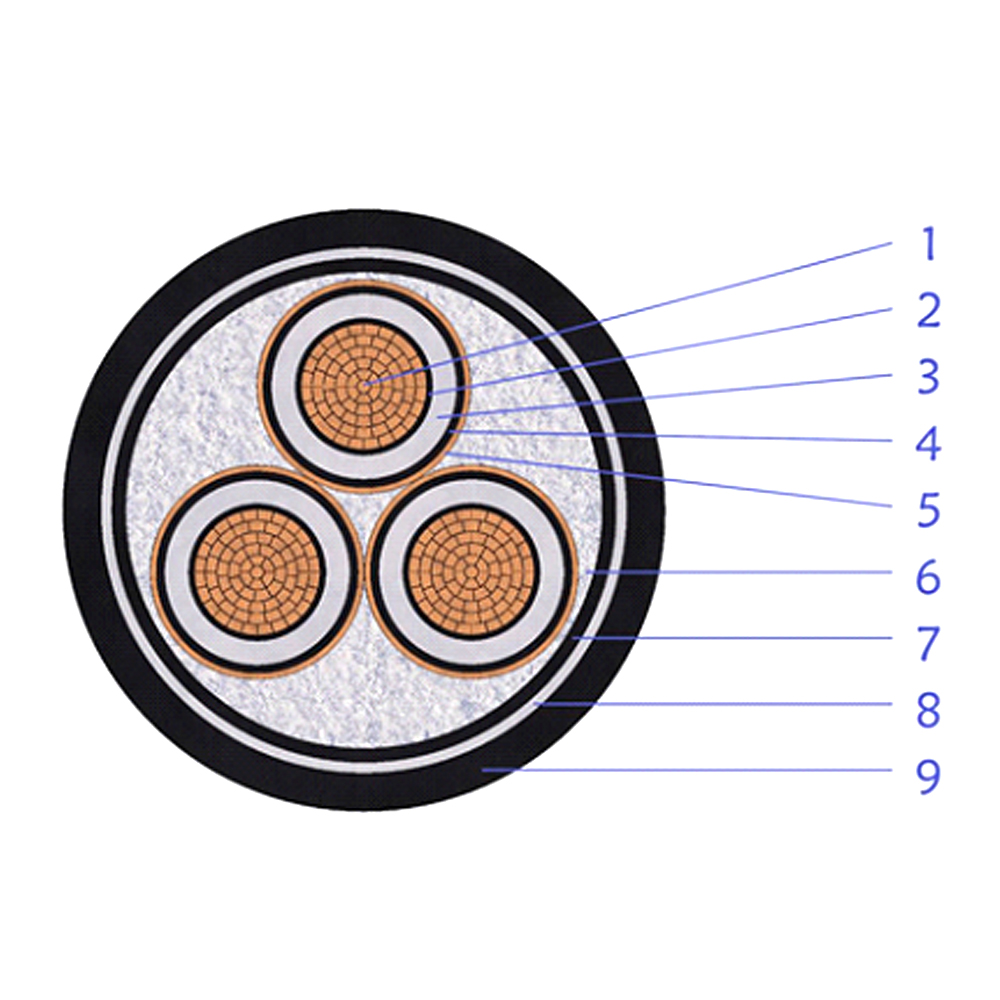
CU/XLPE/CTS/PVC/DSTA/PVCThis multi-core medium-voltage power cable is built with......
+ VIEW MORE
Ready To Customise
Your Cable Products?