+852-68552081


 Language

 English
 русский
 Español
 عربى

Home / News / Industry News / Low‑Voltage Power Cable Manufacturers: Evaluating Competence Beyond Pricing
New

Content
Selecting a low‑voltage power cable manufacturer calls for rigorous supplier qualification rather than mere price comparison. Manufacturers capable of substantiating material compliance with order‑specific test data, enabling full‑cycle production traceability via digital quality management systems, and consistently delivering to utility clients with stringent requirements carry vastly different risk profiles from pure‑play traders who only furnish product catalogues. This guide presents a reusable pre‑qualification checklist for procurement teams.
Reputable low‑voltage power cable manufacturers all claim adherence to IEC international standards or Chinese GB national standards. Meaningful distinctions lie in the exact standards implemented, validation methodologies, and the impartial bodies conducting verification.
Baseline applicable standards for low‑voltage power cables are listed below:
Compliance assertions hold credibility only when backed by supporting laboratory reports. Always obtain currently‑valid third‑party type‑test reports, and verify that the certified scope fully covers the precise cable construction under procurement.
Defects in low‑voltage cables seldom manifest upon goods receipt. Some surface during site acceptance testing, where measured conductor resistance exceeds permissible limits for the nominal cross‑section. Other failures emerge months after commissioning, marked by insulation degradation far exceeding rates stated on official product datasheets.
Conductor performance shall be cross‑referenced against resistance tables for nominal cross‑sections defined in IEC 60228 / GB/T 3956. If measured conductor resistance satisfies standard‑defined thresholds, conductor under‑sizing can be ruled out, regardless of promotional claims regarding copper material grades. Two prevalent cost‑reduction malpractices include downsizing conductor cross‑sections, and marketing copper‑clad‑aluminium (CCA) conductors as solid‑copper cables. Request 20 °C conductor DC‑resistance measurements and benchmark readings against tabulated values from IEC 60228 / GB/T 3956.
Insulation and sheath dimensional consistency. XLPE‑insulated cables with PVC sheaths represent the conventional configuration. For tunnels, metro transit facilities and confined public venues where smoke and halogen discharge must be mitigated, LSZH‑formulated sheaths shall be specified. Field failures originate from inadequate thickness governance. Widely‑accepted industry acceptance criteria stipulate insulation thickness shall reach no less than 90 % of nominal dimensions, and sheath thickness no less than 80 % of nominal dimensions. Manufacturers whose extrusion production lines are governed by MES platforms can furnish dimensional‑tolerance data pulled directly from production logs, rather than relying exclusively on measurements taken from type‑test specimens.
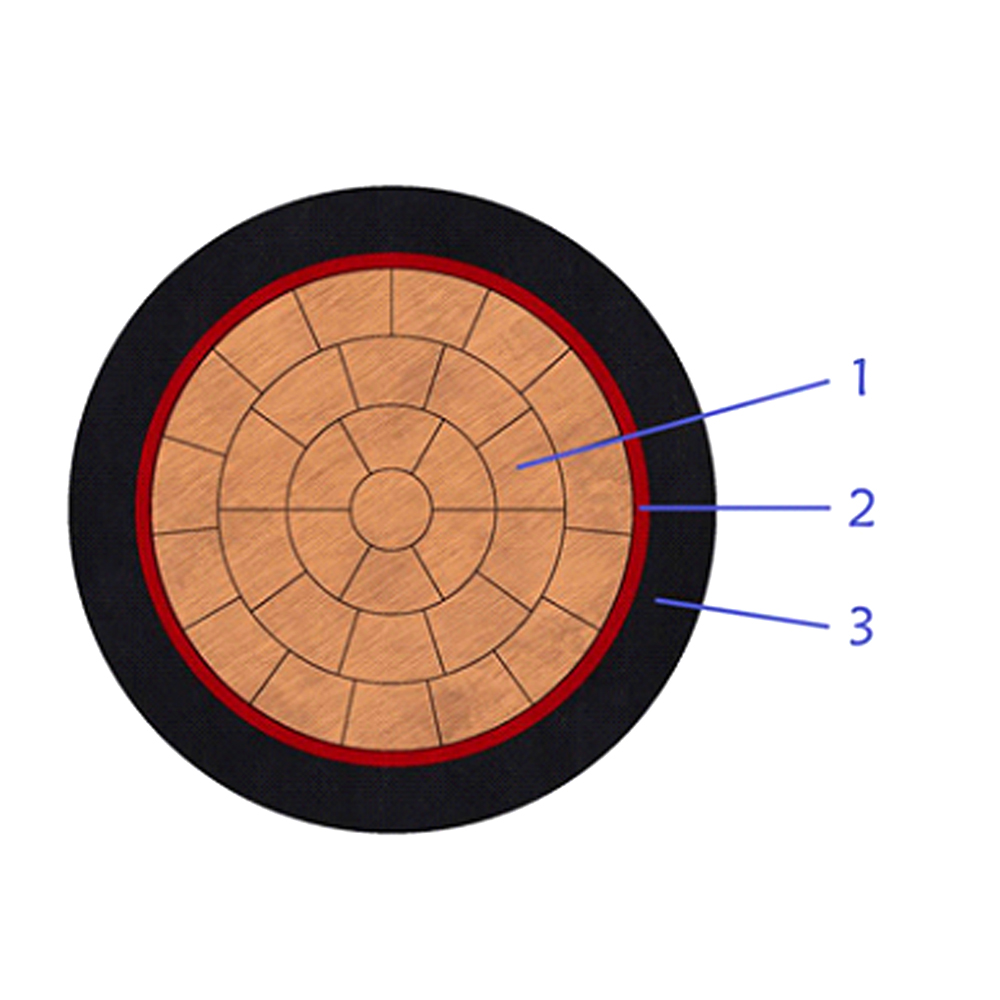
The trustworthiness of a quality‑management system is judged by retrievable production records generated post‑factory dispatch.
Utility and infrastructure supply‑chain stakeholders now prioritize two core capabilities:
Sustained supply to clients with rigorous supplier‑vetting frameworks constitutes one of reliable proxies for stable manufacturing quality.
SGCC procurement enforces stringent market‑access requirements. Participating suppliers undergo factory audits, sample qualification testing and continuous performance oversight. Xinyu Cable’s SGCC supply credentials encompass:
These performance statistics do not eliminate the theoretical risk of isolated batch‑level manufacturing non‑conformities. They confirm the manufacturer has passed repeated qualification assessments and performance appraisals — benchmarks more exacting than requirements for ad‑hoc one‑off project orders. Xinyu Cable also contributes to drafting national Chinese wire‑and‑cable standards, demonstrating technical expertise extending beyond routine manufacturing operations.
A low‑voltage power‑cable manufacturer qualifies as an appropriate supplier upon satisfying three core benchmarks: material performance validated against raw test evidence; production workflows governed by a fully traceable quality‑management regime; and an established roster of recurring clients whose strict requirements have stress‑tested both material performance and process controls. Xinyu Cable’s SGCC delivery track record, digital quality‑control infrastructure and official SRDI SME designation serve as tangible supporting proof of such capabilities.
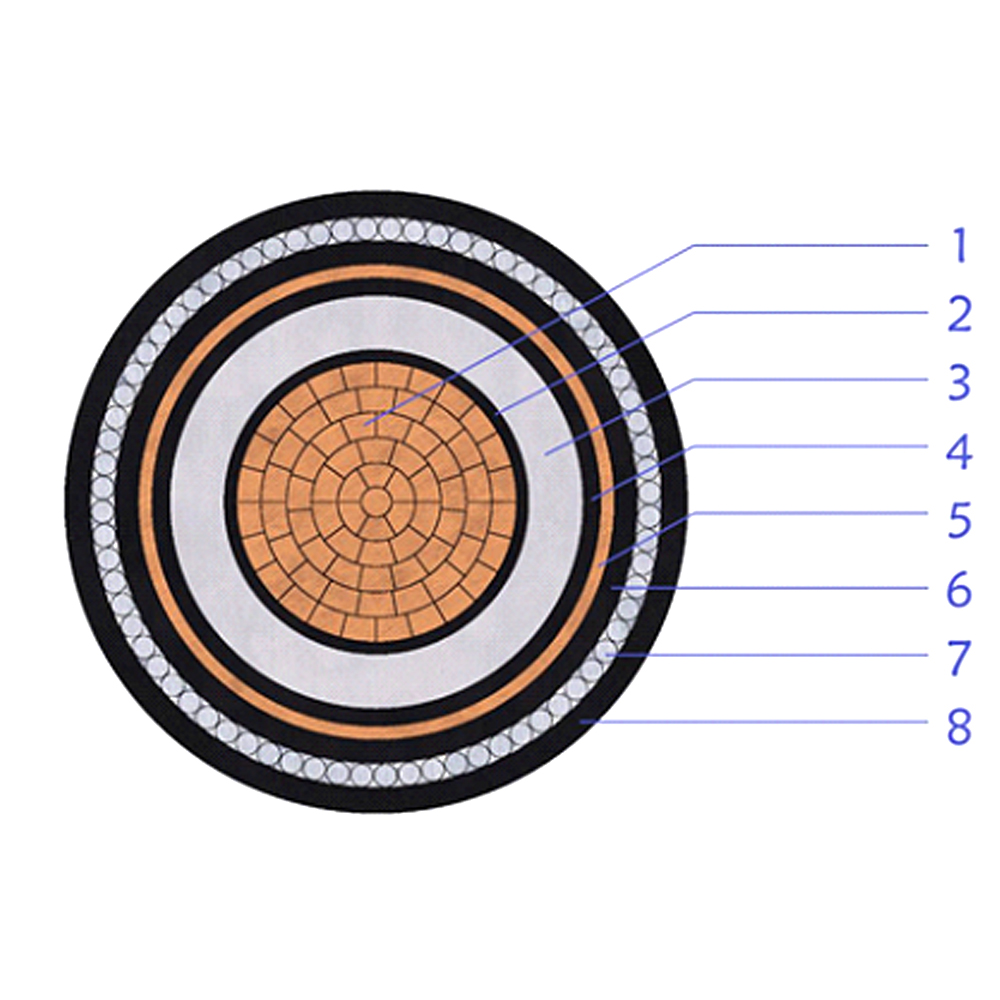
This 8.7/15(17.5)kV medium voltage power cable is designed with compacted copper......
+ VIEW MORE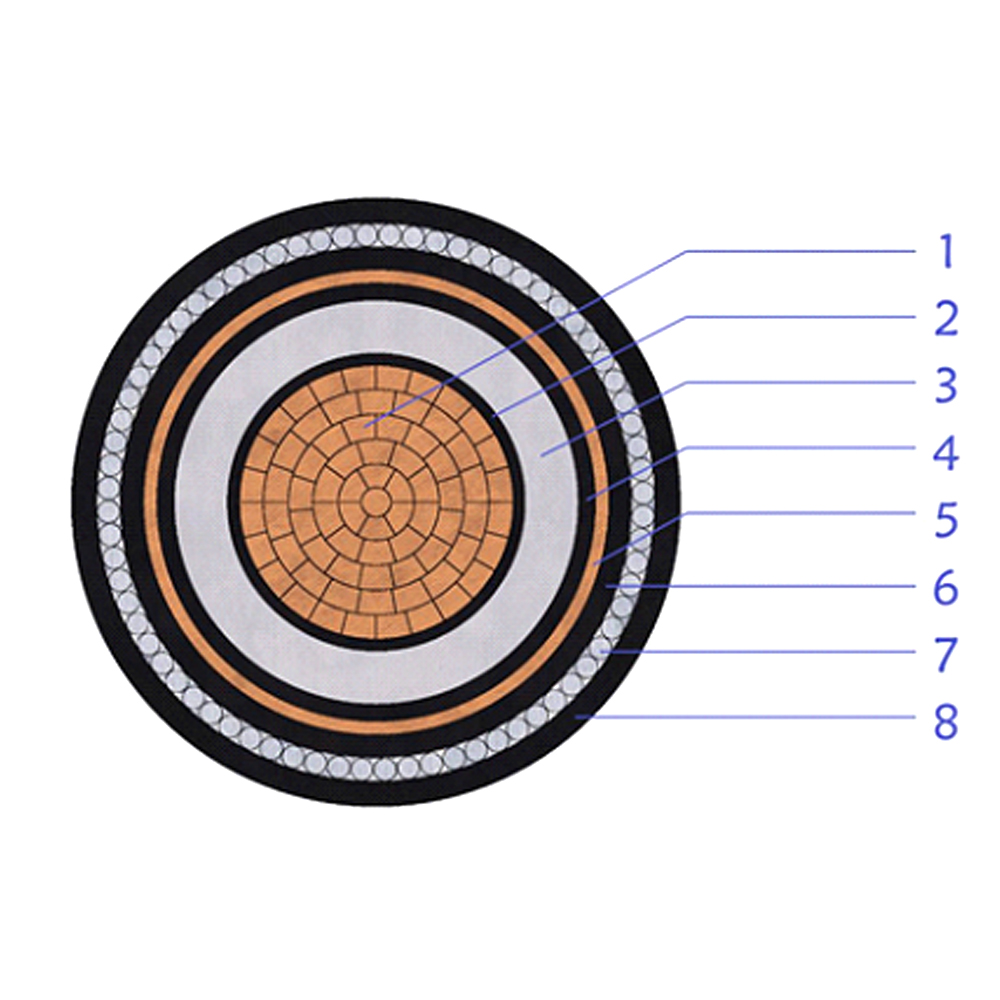
This 6/10(12)kV medium voltage power cable is manufactured with copper conductor......
+ VIEW MORE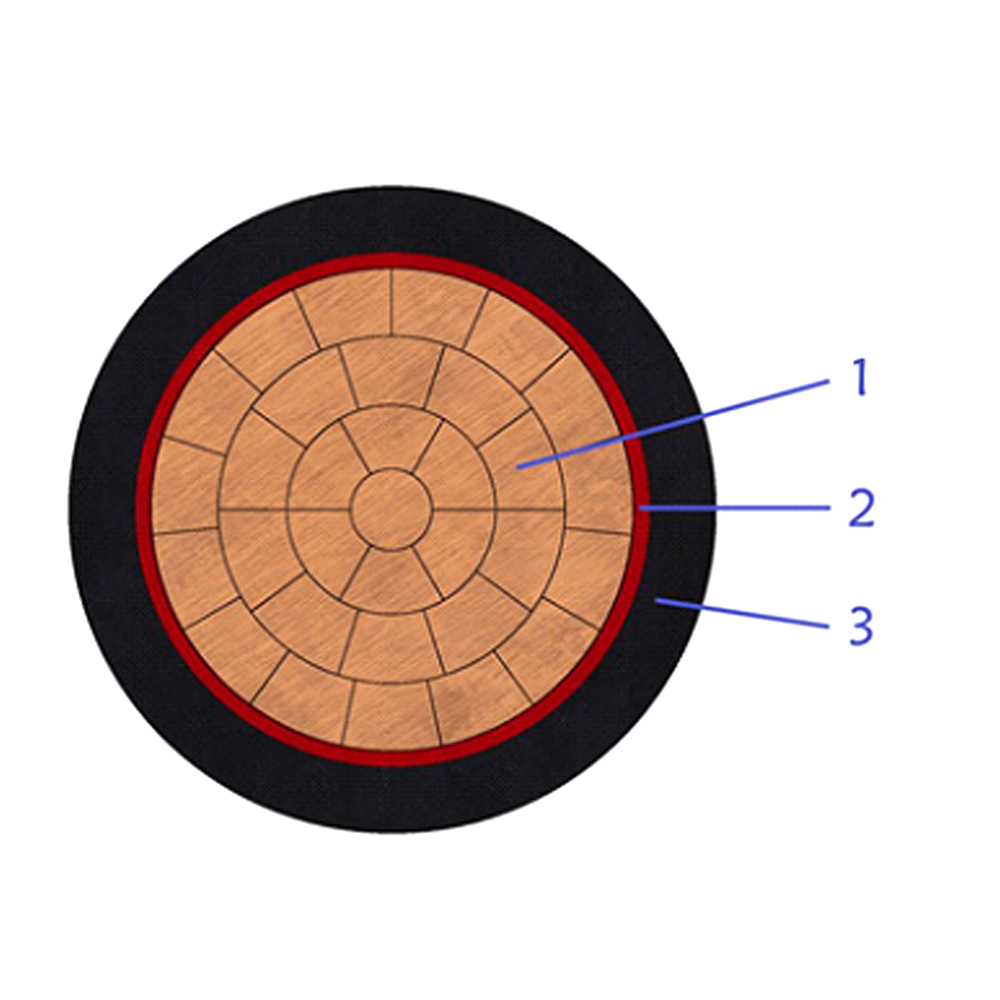
This single-core CU/PVC/PVC cable is designed for low-voltage power transmission......
+ VIEW MORE
This multi-core XLPE insulated unarmored power cable is designed for medium volt......
+ VIEW MORE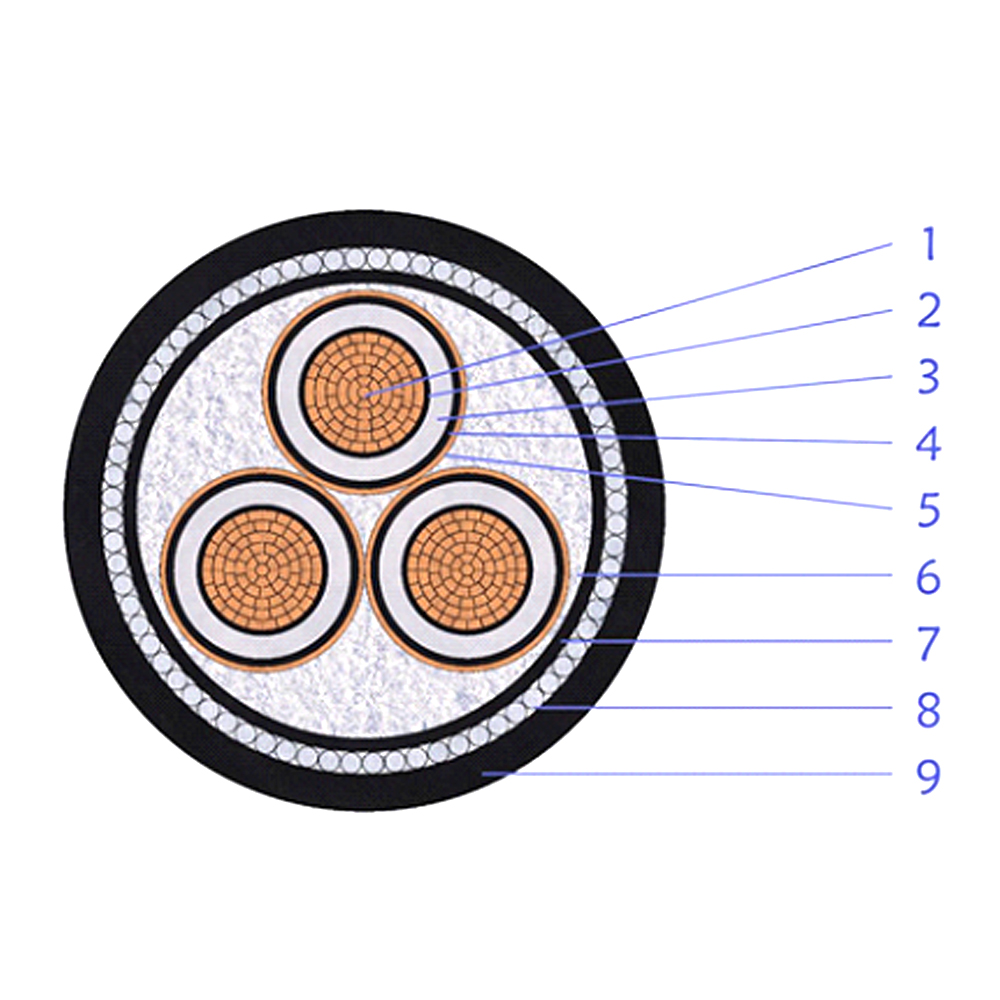
CU/XLPE/CTS/PVC/SWA/PVCThis multi-core medium-voltage power cable features XLPE ......
+ VIEW MORE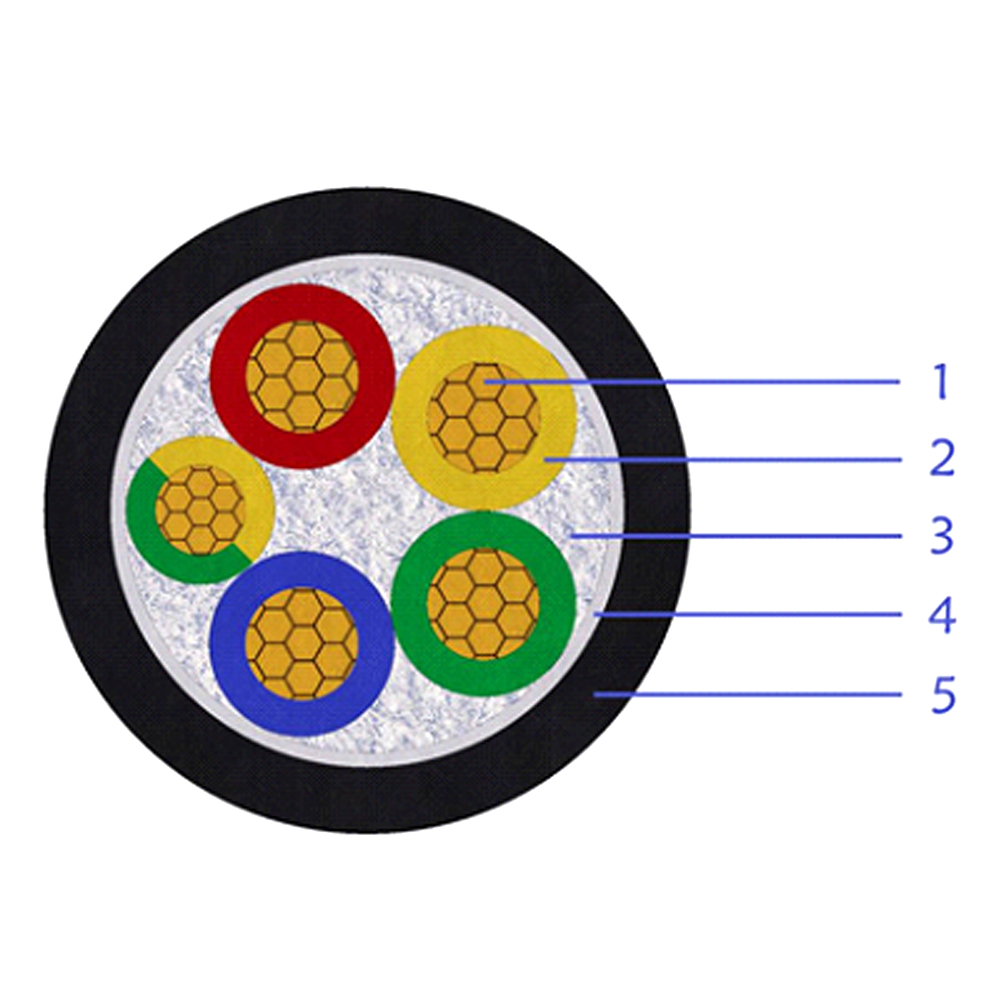
The multi-core CU/PVC/PVC cable is engineered for low-voltage distribution where......
+ VIEW MORE
Ready To Customise
Your Cable Products?