+852-68552081


 Language

 English
 русский
 Español
 عربى

Home / News / Industry News / What to Check Before You Choose an Electrical Wires and Cables Manufacturer
New

Content
Short answer: Choosing an electrical wires and cables manufacturer is less about comparing catalogue prices and more about confirming five things: what the factory actually produces, which standards it can document, how it handles custom specifications, what test evidence comes with the order, and whether the quotation is specific enough to be honoured. Get these five right before the purchase order and the cable is far more likely to pass inspection, match the specification, and arrive on the drum schedule you agreed.
Buyers seldom choose the wrong supplier because of a single bad conversation. They choose the wrong supplier because the early questions were too general. A quotation that looks competitive can hide a different conductor class, a thinner sheath, or a test regime that does not match the project specification. Those differences surface during commissioning, when changing the cable is expensive.
This guide is written for purchasing managers, EPC procurement teams and electrical contractors who need an electrical wires and cables manufacturer that can supply to a documented specification rather than to a price list.
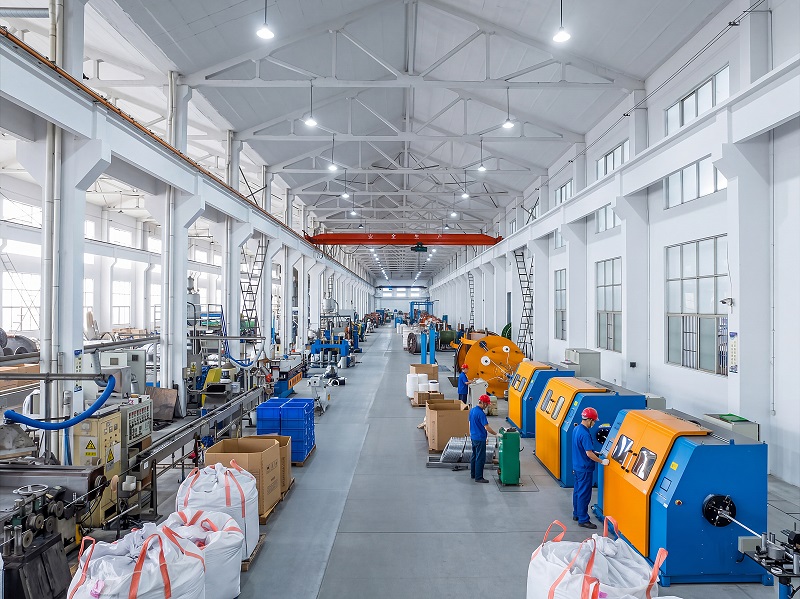
One key distinction to make is between a factory and a trading company. Both can send a quotation. Only one controls the extrusion line, the armour machine and the test bench.
Ask for the following and compare the answers across suppliers:
A manufacturer that covers low voltage, medium voltage, control and solar cable under one roof reduces the number of interfaces in a multi-package project. Xinyu Cable, for example, produces low voltage and medium voltage power cables up to 35kV, building wires, overhead insulated cables, control cables and solar PV cables at a single site in Yixing, Jiangsu. That breadth does not remove the need for verification, but it shortens the chain of responsibility.
A standard is not a word on a datasheet. It governs conductor stranding, insulation thickness, armour coverage, marking and the sequence of tests. A cable built to one standard is not automatically acceptable under another.
Request the specific standard reference in writing:
|
Market |
Common references |
What to verify |
|
International |
IEC 60502-1, IEC 60227, IEC 60245 |
Voltage class, test sequence, marking |
|
China |
GB/T 12706, GB/T 5023 |
Conductor class, insulation material |
|
United Kingdom |
BS EN 50525, BS 6724 |
Armour type, sheath performance |
|
North America |
UL, ASTM references |
Conductor sizing, flame rating |
The useful question is not "do you meet IEC?" but "which part of IEC, and can you send the type test report?" A supplier who answers with a document rather than an assurance is easier to work with.
Xinyu participates in the drafting of Chinese national standards related to wires and cables, and has supplied the State Grid Corporation of China for over a decade. That background is relevant because utility procurement tends to be document-driven: if a factory can satisfy a utility's inspection regime, it is usually comfortable providing records to a commercial project.
Certificates show that a system or product family was assessed at some point. Test records show that the cable being shipped was checked.
For a project order, ask for three layers of evidence:
A supplier who cannot produce test documentation for the size you are buying should not stay on the shortlist, whatever the headline price. If you cannot attend the factory, photographs of drum labels, test certificates and container loading are a reasonable substitute, and many factories provide them as standard for export orders.
Customization is where a capable factory separates itself from a catalogue seller. It is also where misunderstandings are easiest.
Clarify these points before the order is confirmed:
Put the answers in writing at order stage. Length tolerances and marking details discovered at delivery are expensive problems; agreed in advance they are routine production notes.
Many re-quotations trace back to an enquiry that was too short. A usable request for quotation states the applicable standard, voltage rating, conductor material and class, number of cores, nominal cross-section, insulation and sheath compound, armour type, quantity per size, length per drum, marking requirements, test requirements, destination port and delivery date.
Add the installation method and ambient conditions if you want the supplier to confirm sizing. The more complete the enquiry, the fewer technical qualifications appear in the quotation—and qualifications are where price comparisons break down.
Before you issue a purchase order, ask the manufacturer to answer these in writing:
The quality of the answers tells you more about the supplier than the quality of the website.
How do I tell a manufacturer from a trading company?
Ask for the factory address, production equipment and test reports for the exact size you are buying. A trading company can often answer the initial two, but usually cannot produce batch‑level test records without going back to the plant.
Should I visit the factory before placing an initial order?
If the order value justifies it, yes. If travel is not practical, request a video walkthrough of the production line and the test area, plus dated photographs of previous shipments.
Why do two quotations for the same cable differ so much?
Check conductor material and class, insulation compound, armour construction, test requirements and drum length. Each of these can change the quotation without changing the cable description on the surface.
Can a manufacturer print my company name on the sheath?
Many factories can. Confirm how the text is approved, whether it affects the quantity required per size, and whether it appears on the test certificate as well as the cable.
If you are preparing a specification or an RFQ for power cables, control cables or solar cables, the engineering team at Xinyu Cable can review the requirements, confirm sizing and standards, and provide the certification package with the quotation. Send your enquiry for a tailored response.
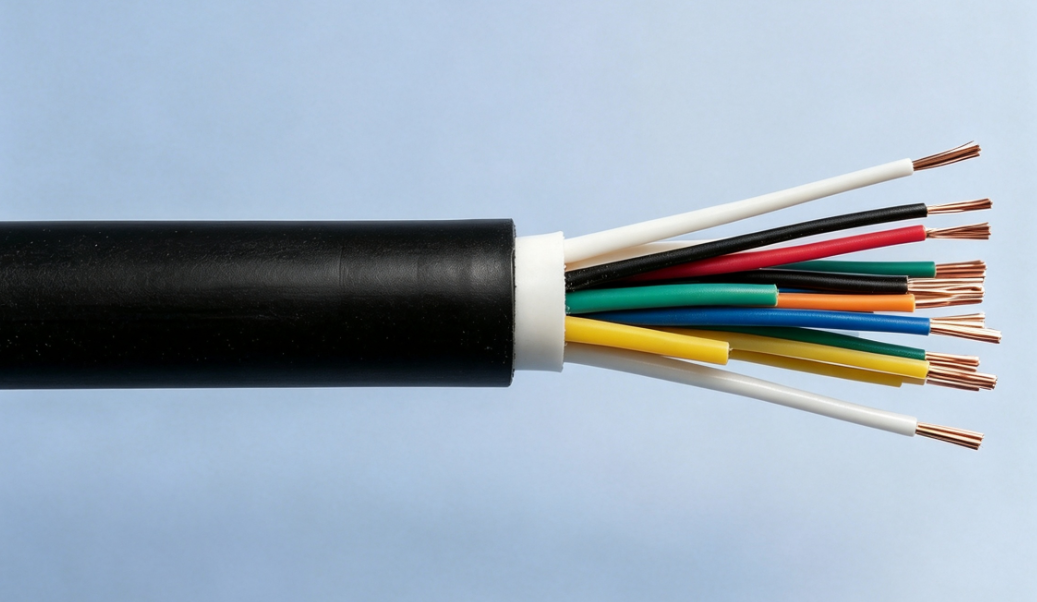
Suitable for transmission of analogue and digital control signals between comput......
+ VIEW MORE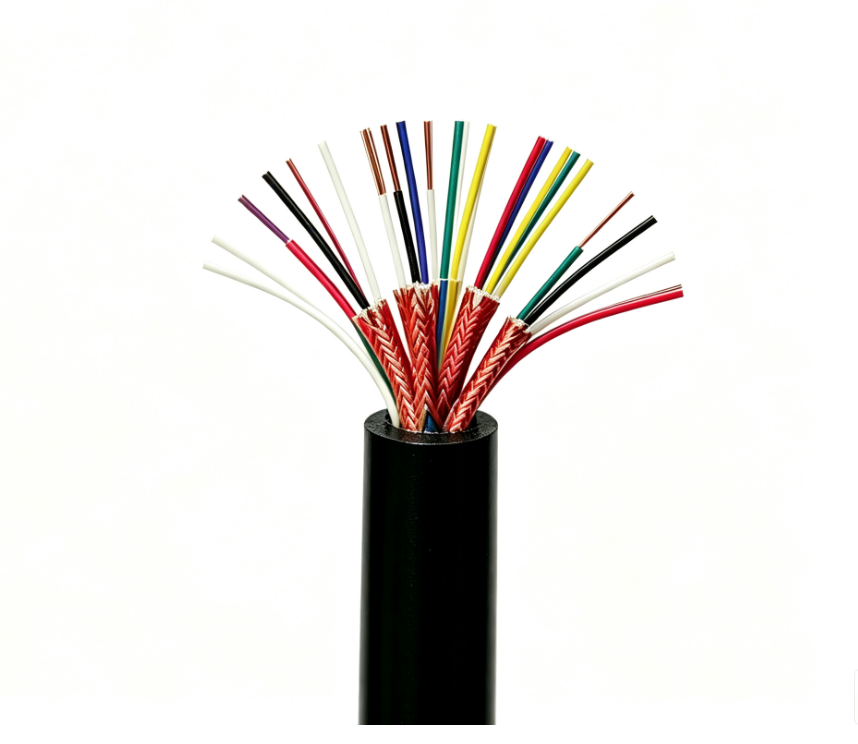
Xinyu Flame-Retardant Computer and Instrumentation Cables are designed for the t......
+ VIEW MORE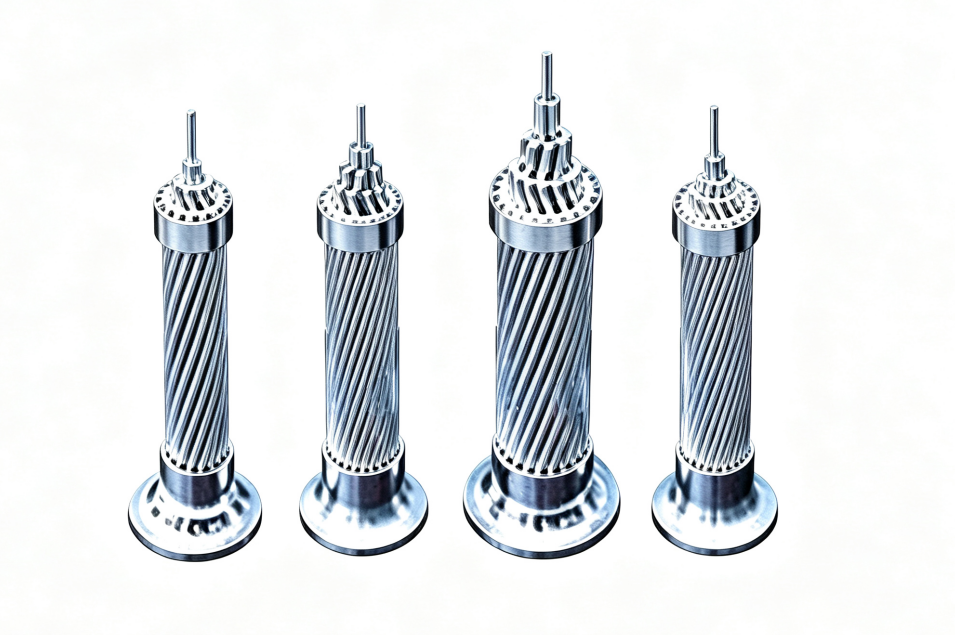
As bare conductive products, aluminum stranded wires are suitable for low-voltag......
+ VIEW MORE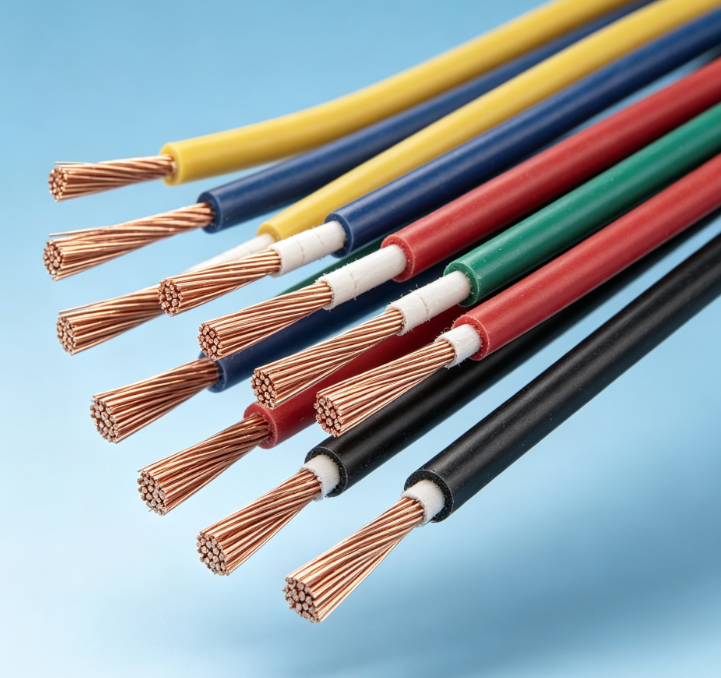
Suitable for fixed wiring, power and lighting circuits, internal and external co......
+ VIEW MORE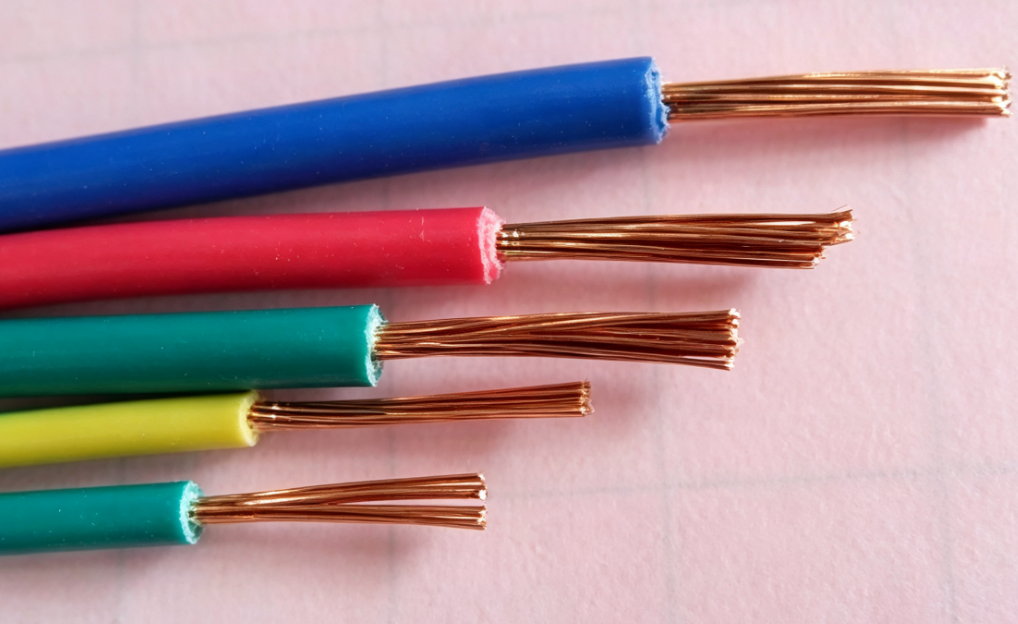
Suitable for fixed wiring, power and lighting circuits, internal and external co......
+ VIEW MORE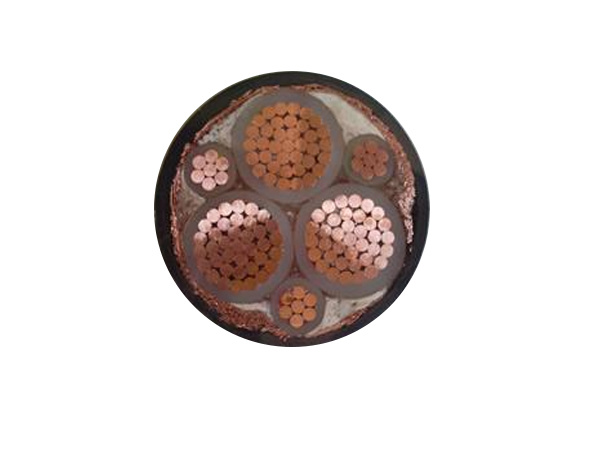
Designed for variable frequency drive systems with rated voltage 0.6/1kV and bel......
+ VIEW MORE
Ready To Customise
Your Cable Products?