+852-68552081


 Language

 English
 русский
 Español
 عربى

Home / News / Industry News / 8 awg aluminum wire: Applications, Selection Criteria, and Practical Guidance
New

Content
A 40 A feeder to a detached garage is a common place where 8 AWG aluminum wire looks attractive: it is lighter than copper, usually costs less, and pulls easily through conduit. The catch is that 8 AWG aluminum is a 35-40 A conductor, not a 50 A conductor, and it must land on terminals listed for aluminum. The practical conclusion: specify 8 AWG aluminum only when the circuit is designed around its ampacity, termination rating, and voltage drop; do not treat it as a direct substitute for 8 AWG copper.
8 AWG corresponds to a nominal cross-sectional area of about 8.37 mm². In building wire, the conductor is normally made from AA-8000 series aluminum alloy, not the older EC-grade aluminum that caused termination problems decades ago. It is commonly supplied as a single insulated conductor, often XHHW-2, for raceway and equipment wiring. Some products are compact stranded; others are stranded with a visible layer. The insulation type matters as much as the metal: XHHW-2 is rated for wet and dry locations and is usually 90°C dry and 75°C wet, while THHN/THWN products can carry different wet-location limits. Check the print legend, not just the catalog headline.
Aluminum 8 AWG is also not the same product as bare ACSR or overhead aluminum conductor. Those are bare conductors for overhead lines; 8 AWG building wire is an insulated conductor for raceway, cable tray, or equipment wiring. If a project also needs bare aluminum stranded conductor for grounding or overhead work, specify it separately.
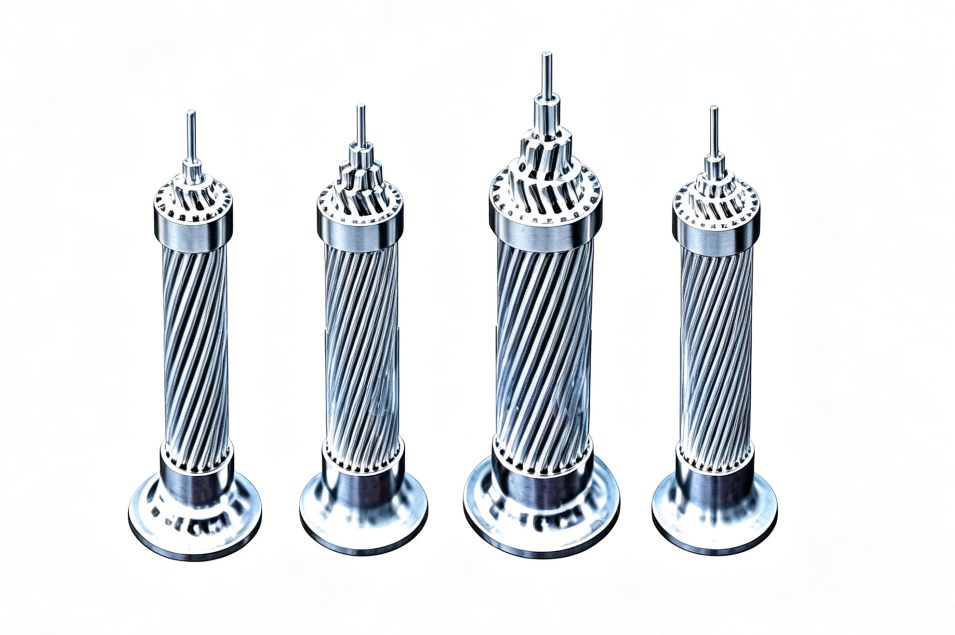 Bare Aluminum Stranded Wire and ACSR ConductorsReview bare aluminum stranded and ACSR conductors for overhead distribution and transmission, distinct from the insulated 8 AWG building wire discussed here.View Product →
The 75°C column is usually the governing one because breakers, lugs, and equipment terminals are commonly rated 75°C. On that basis, 8 AWG aluminum is a 40 A conductor. 8 AWG copper is 50 A. That difference is one practical trade size: a 50 A feeder needs 6 AWG aluminum, not 8 AWG aluminum. A 40 A feeder can use 8 AWG aluminum if the calculated load, ambient correction, conduit fill adjustment, and termination temperature all work out.
| Conductor | 60°C | 75°C | 90°C |
|---|---|---|---|
| 8 AWG aluminum | 35 A | 40 A | 45 A |
| 8 AWG copper | 40 A | 50 A | 55 A |
The 90°C column is not a free upgrade. You can use it only when the conductor, terminals, and equipment are all rated for 90°C and the installation rules allow it. In most small feeders, the weak link is the 75°C termination. For a 40 A circuit, a 40 A breaker is the normal maximum. If the load is continuous, apply the 125% factor: a 32 A continuous load becomes 40 A after the factor, so 8 AWG aluminum may already be at its limit. A 40 A continuous load needs a 50 A circuit, which puts 8 AWG aluminum out of range.
It is a reasonable fit for a 40 A detached-garage subpanel, a small shop feeder, or an outdoor condenser circuit with a nameplate minimum circuit ampacity around 35 A and a maximum overcurrent device of 40 A. It also appears in some service-entrance and feeder arrangements where the utility and local authority accept aluminum conductors. The common thread is a circuit designed around 35-40 A, not a circuit that happens to have 8 AWG copper in an old drawing.
It is a poor fit for 50 A circuits, fine-strand battery or inverter cables, and any terminal marked copper only. It is also not the economical choice for ordinary 20 A receptacle branch circuits: the conductor is larger and stiffer than needed, and the terminations are less familiar to many installers. If the run is exposed to water, sunlight, or direct burial, use a product with the correct rating. “Aluminum” alone does not tell you whether the wire is wet-location, sunlight-resistant, or direct-burial listed.
The main failure mode is not the aluminum itself; it is a loose or incompatible termination. Use lugs, splices, and connectors listed for aluminum conductors. Clean the conductor, brush it if the manufacturer requires, apply antioxidant only if specified, and torque to the published value with a torque wrench. Do not guess by feel. After the conductor settles, some manufacturers require a re-torque; follow their instructions rather than a general rule from another product.
Keep junctions accessible. Do not bury a splice in conduit. Use a junction box and support the cable as required. Avoid tight bends, nicked strands, and connector ranges that are too wide for 8 AWG. A lug that accepts 6-4 AWG may physically fit an 8 AWG conductor but may not clamp it correctly. Do not mix copper and aluminum under one terminal unless the connector is listed for both. Oxide film forms quickly on aluminum; that is normal, and the connector plating and compound are designed for it. Do not sand with a coarse abrasive that removes strands.
A 40 A, 240 V single-phase run 100 ft one way with 8 AWG aluminum has roughly 1.2 ohm per 1,000 ft at operating temperature. The loop resistance is about 0.24 ohm, so voltage drop is about 9.6 V, or 4% of 240 V. That is already at the common 3% branch-circuit and 5% total design limit. At 120 V, the same run would drop about 8%, which is not acceptable for most equipment. If the run is longer than roughly 75-100 ft, check 6 AWG aluminum or 8 AWG copper. Use the actual resistance from the cable data sheet and the code’s voltage-drop recommendations. For a fuller method, see our LV cable sizing and derating guide.
A low price per foot can disappear if the reel is short or the conductor is hard to pull. Put these items in the inquiry or purchase order:
8 AWG aluminum wire is a useful conductor for 35-40 A feeders and equipment circuits when the installation is built around aluminum. It is not a 50 A copper replacement, and it is not forgiving of copper-only terminals or guessed torque. Size it on the 75°C termination column, check voltage drop on runs over roughly 75 ft, and require AA-8000 alloy with the correct insulation and listings. If those conditions are met, it can be a cost-effective choice; if not, move up to 6 AWG aluminum or use copper.
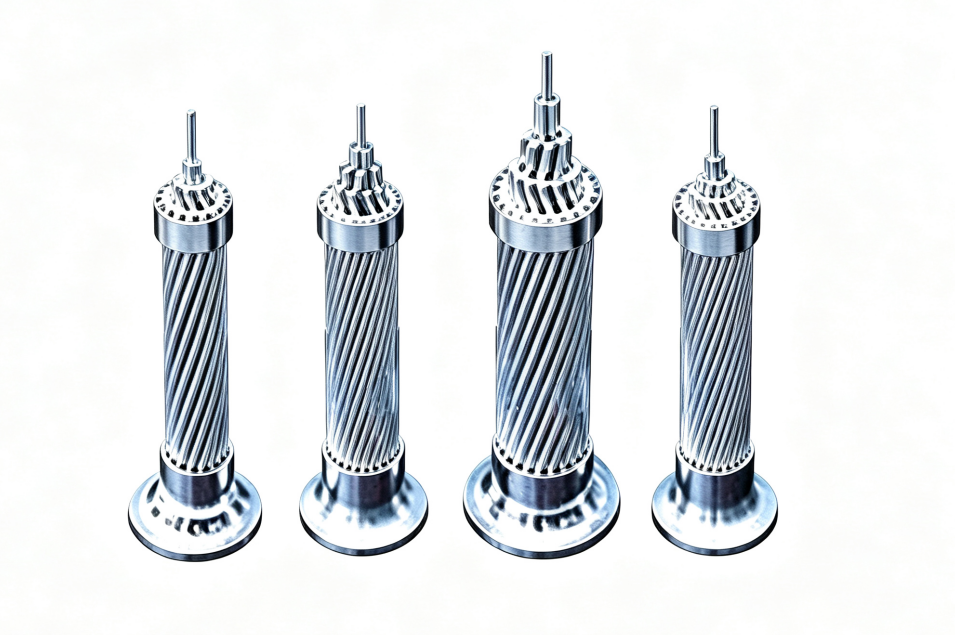
As bare conductive products, aluminum stranded wires are suitable for low-voltag......
+ VIEW MORE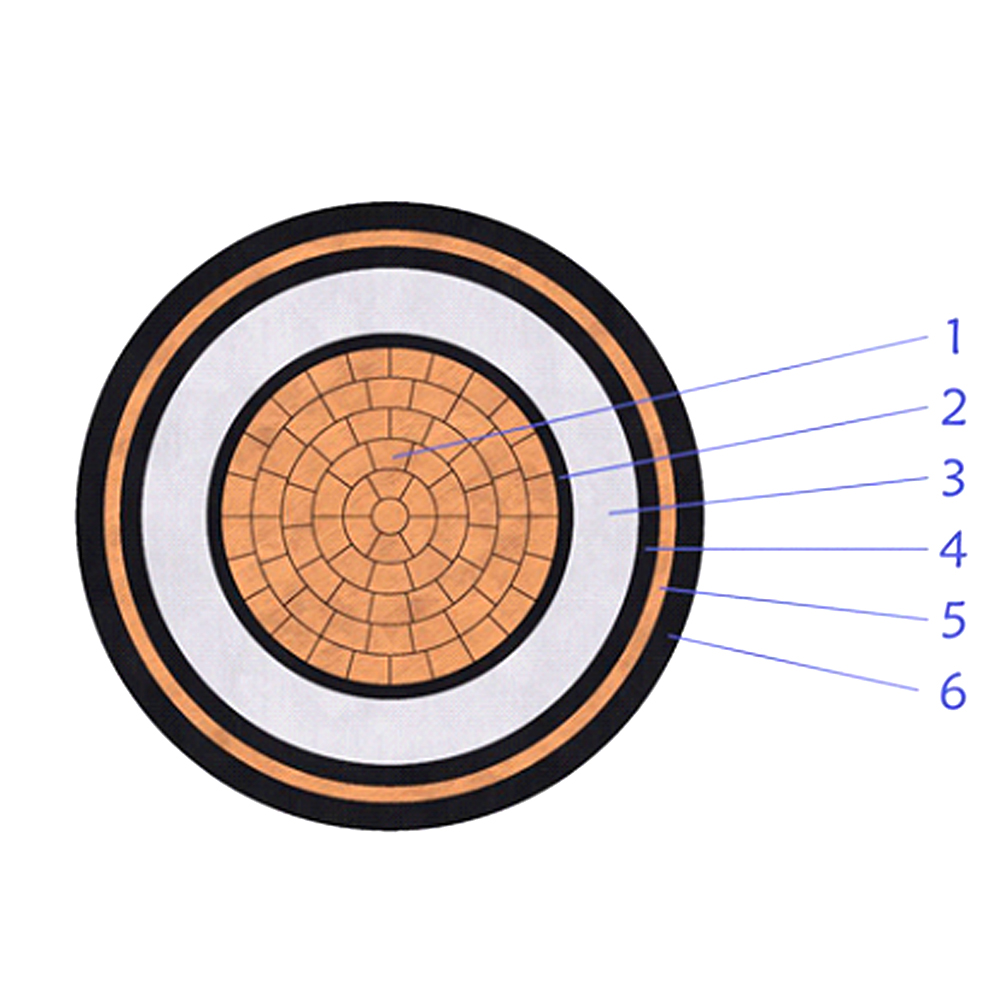
This 8.7/15(17.5)kV XLPE insulated unarmored power cable is developed for medium......
+ VIEW MORE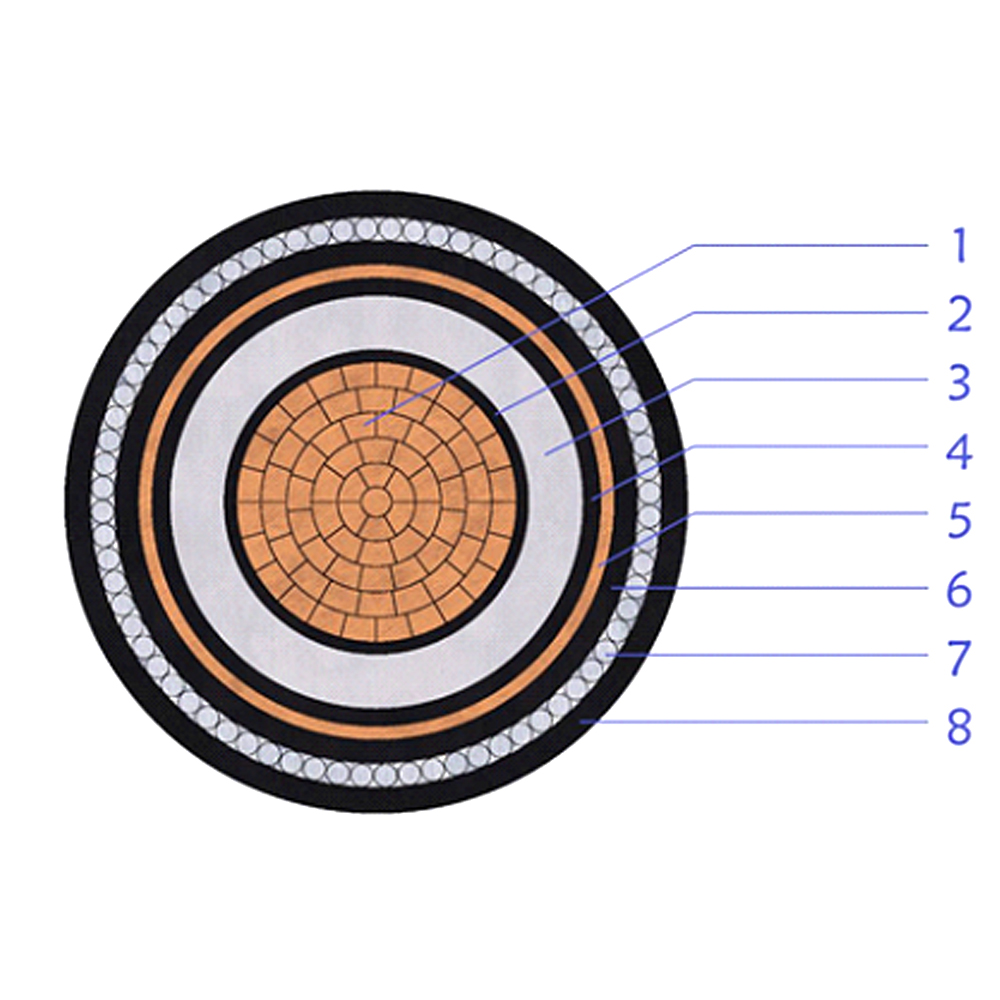
This 8.7/15(17.5)kV medium voltage power cable is designed with compacted copper......
+ VIEW MORE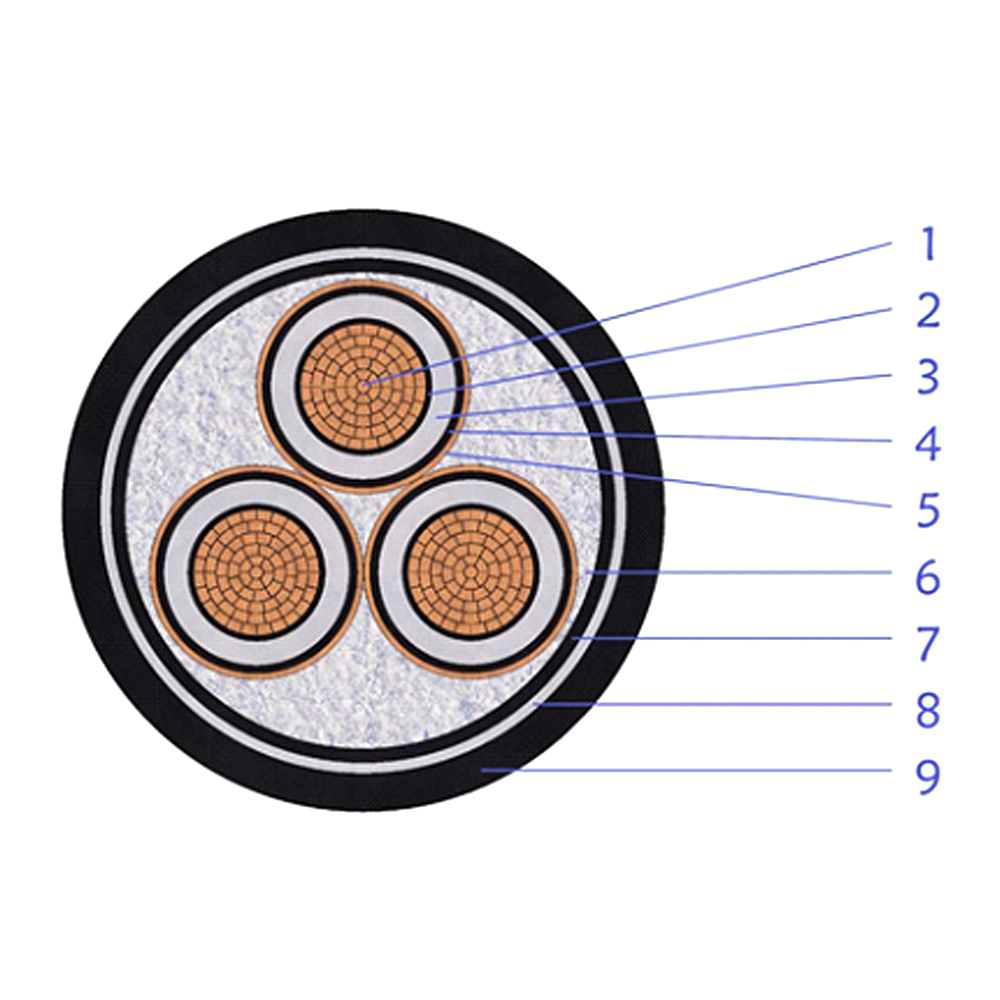
This 8.7/15kV multi-core power cable is constructed with compacted copper conduc......
+ VIEW MORE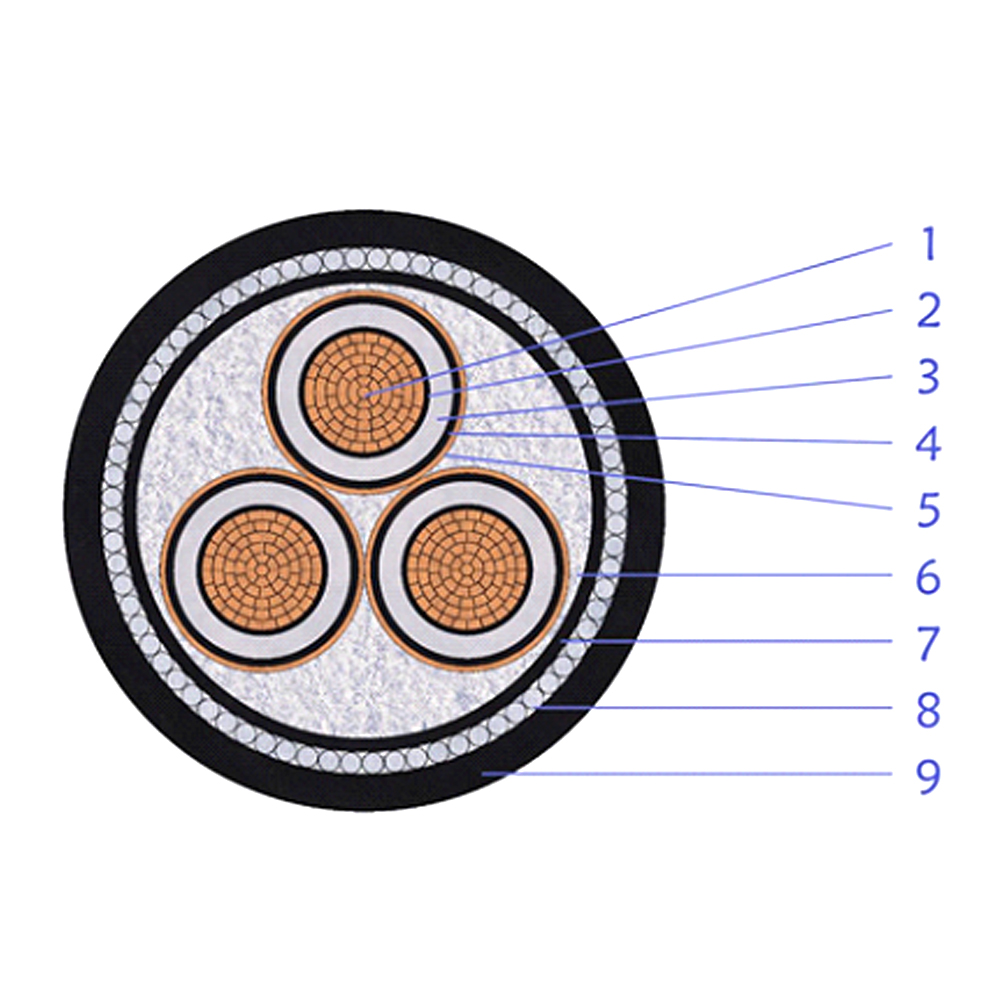
This 8.7/15kV multi-core power cable adopts a layered design based on compacted ......
+ VIEW MORE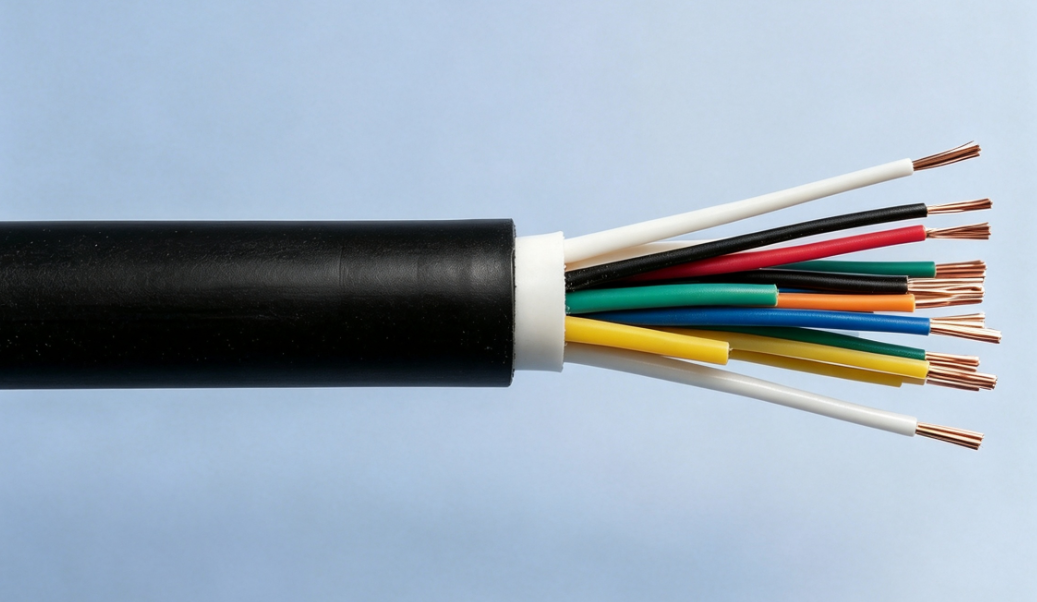
Suitable for transmission of analogue and digital control signals between comput......
+ VIEW MORE
Ready To Customise
Your Cable Products?