+852-68552081


 Language

 English
 русский
 Español
 عربى

Home / News / Industry News / 15kV Medium Voltage Cable: Selection, Shield, Armor, and Installation Guide
New

Content
A 15kV feeder for a transformer, switchgear lineup, or industrial motor is often ordered from a one-line diagram that says only "15kV cable." That note is not a purchase specification. The cable may need an 8.7/15 kV IEC designation, a 15 kV MV-105 North American rating, a copper tape shield, steel wire armor, a low-smoke zero-halogen sheath, or a stated short-circuit withstand. If the datasheet omits those details, the supplier fills the gap with a default, and the installer may inherit a cable that is hard to terminate, over- or under-armored for the route, or short on fault-current capacity.
The practical conclusion: buy a 15kV medium voltage cable by matching five items at once—voltage designation, conductor and insulation, metallic screen, mechanical protection, and test evidence—to the route and protection settings. The checks below show how that works on a real inquiry.
On an IEC project, a 15kV cable is usually written as 8.7/15 kV. The 8.7 kV is the phase-to-earth voltage U0, 15 kV is the phase-to-phase voltage U, and the maximum system voltage Um is 17.5 kV. On a North American project, the same system class may appear as 15 kV MV-105, with 133% insulation level and a specified insulation thickness. Those labels point to different standards, insulation walls, test regimes, and sometimes different conductor and screen constructions.
For a purchase order, ask for the complete voltage designation and the standard behind it. A cable marked only "15kV" can be ambiguous. Confirm U0/U, Um, insulation level, conductor size and material, continuous conductor temperature, emergency overload rating, and short-circuit withstand for both conductor and metallic screen. If the project mixes IEC and North American equipment, settle the standard before the cable is cut.
| Check | IEC-style 15kV cable | North American-style 15kV cable |
|---|---|---|
| Voltage marking | 8.7/15 kV, Um 17.5 kV | 15 kV, often MV-105 |
| Insulation basis | XLPE or EPR to IEC 60502-2 | EPR or XLPE to ICEA/UL practice |
| Common shield | Copper tape or wire screen | Copper tape or concentric wire |
| Key document | Type and routine test report | Listing, qualification, and test report |
Copper is the default where space, jointing, and fault tolerance matter; aluminum can make sense on long runs where weight and conductor cost dominate. The choice should be made with the termination kit and bending space in view. A 15kV cable is not a low-voltage wire with thicker insulation. The semiconductive conductor screen, insulation, and insulation screen form a controlled electric field, and damage at those interfaces can start a partial discharge site that grows in service.
XLPE is common because it has high dielectric strength and a predictable operating temperature. EPR remains a practical option where flexibility and wet-electrical performance are priorities. The metallic screen is part of the electrical design, not just a wrapping. It carries capacitive charging current, fault current, and induced current, and it controls touch voltage at joints and terminations. Copper tape is compact and suits many substation and industrial routes; a wire screen can offer more flexibility for repeated bending.
For a defined 8.7/15 kV XLPE construction with a copper tape screen, state the screen coverage, thickness, and short-circuit rating in the datasheet. "Copper shielded" is too vague for a purchase order.
 8.7/15 kV XLPE Copper Tape Screen Armored Power CableCustom 8.7/15 kV XLPE cable with copper tape screen, PVC sheath, and AWA or SWA armor for routes requiring mechanical protection.View Product →
A 15kV cable can fail mechanically long before it fails electrically. Direct burial in rocky soil, a duct bank with tight bends, a cable tray in a chemical plant, and an outdoor rack exposed to sun call for different outer constructions. Steel tape armor gives good radial crush resistance and is common for buried and ducted routes. Steel wire armor handles tensile load and is often chosen for vertical shafts and long pulls. Unarmored cable is lighter and easier to handle, but it needs a protected route, good support, and a suitable sheath.
The sheath is also a specification item. PVC is the general-purpose choice. Low-smoke zero-halogen compounds matter in tunnels, stations, and occupied buildings where smoke and acid gas are unacceptable. For outdoor exposure, confirm UV resistance and the approved installation temperature.
 8.7/15 kV Multi-Core XLPE Copper Tape Screen SWA Power CableMulti-core 8.7/15 kV cable with copper tape screen, steel wire armor, and PVC ST2 sheath for installations requiring mechanical protection.View Product →
Armor is not a substitute for correct bonding. The armor and metallic screen must be earthed according to the system design, and single-point or cross-bonding at joints must be planned before installation. If the screen is left floating or bonded at the wrong end, circulating current and sheath voltage can rise.
Ampacity tables are only a starting point. The current rating of a 15kV medium voltage cable changes with ambient air temperature, soil thermal resistivity, burial depth, duct thermal resistance, grouping, and ventilation. Two bids can show the same conductor size and different current ratings because one assumes a direct-buried route and the other assumes a crowded duct bank. Ask for the ampacity calculation basis, not just the table value.
Voltage drop matters more on long feeders, but the short-circuit check is the one that often gets postponed. The conductor must survive the prospective fault current for the clearing time, and so must the metallic screen. For a 15kV feeder, the screen can be the limiting component because it has a much smaller cross-section than the phase conductor. The relay settings, cable length, and bonding arrangement determine the screen fault duty. A cable that passes the conductor check can still fail the screen check.
Installation conditions also affect derating. A cable pulled into a partially filled duct, bundled with other circuits, or buried in dry, rocky soil may run hotter than the design assumes. State the route assumptions in the inquiry and ask the manufacturer to confirm the calculation. This guide to MV cable sizing, testing, and installation standards covers the associated checks.
For a 15kV cable, routine factory tests should include conductor resistance, a voltage withstand test, and a partial discharge test. Partial discharge is especially important because it can reveal voids, contamination, or damage at the insulation screens that a simple pass/fail voltage test may miss. The acceptance package should also include dimensional checks, insulation and sheath thickness, and a certificate tied to the drum or production batch.
Type tests and sample tests are different from routine tests. They qualify a design or a production period; they do not replace the routine test on the cable being shipped. If the project requires third-party witness, pre-shipment inspection, or specific test limits, put that in the purchase order. At receipt, inspect the drum, confirm the ends are sealed, check the length and marking, and compare the certificate with the drum label. A missing seal can allow moisture into the conductor and screen long before the cable is pulled.
Before you request a quotation for a 15kV medium voltage cable, put these items in the inquiry. It shortens technical review and reduces the chance of a substitution after the order is placed.
When those details are on the table, "15kV cable" becomes a defined product rather than a general class. The result is a cable that fits the route, the protection settings, and the termination system—and fewer surprises when the drums are opened on site.
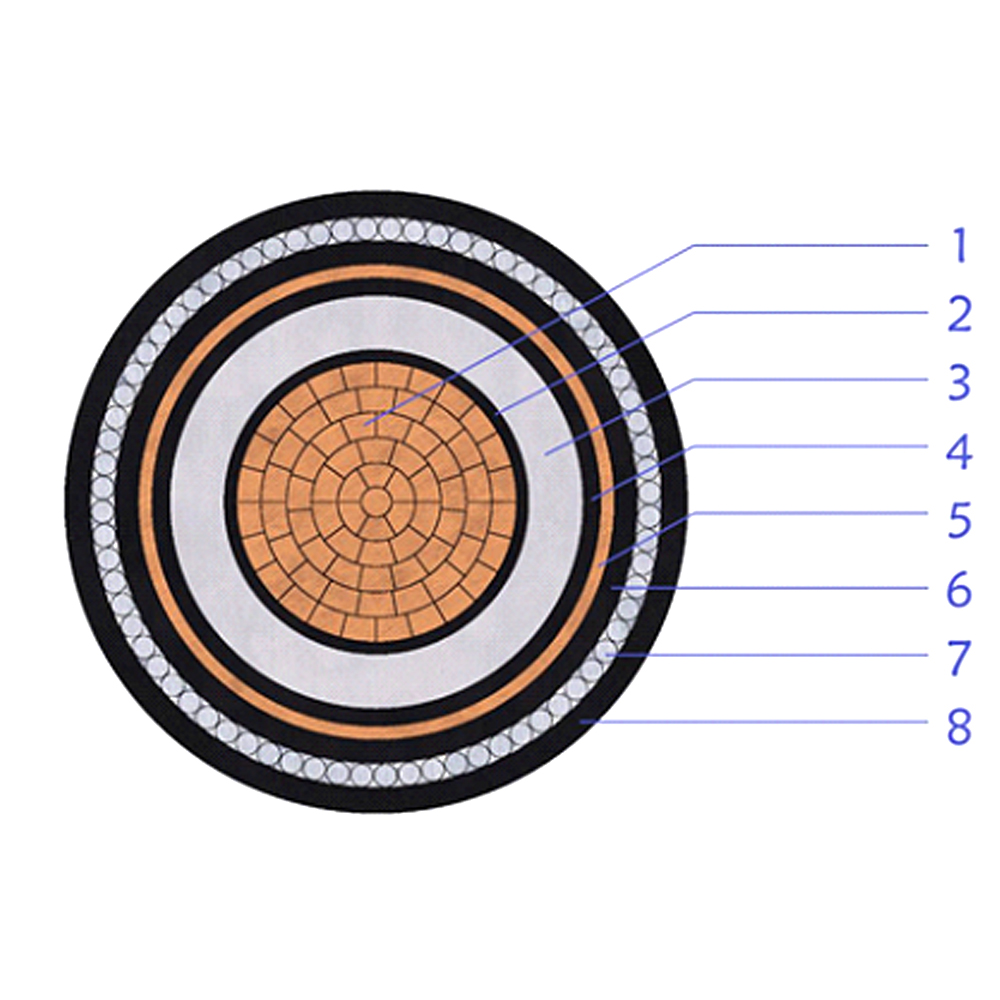
This 8.7/15(17.5)kV medium voltage power cable is designed with compacted copper......
+ VIEW MORE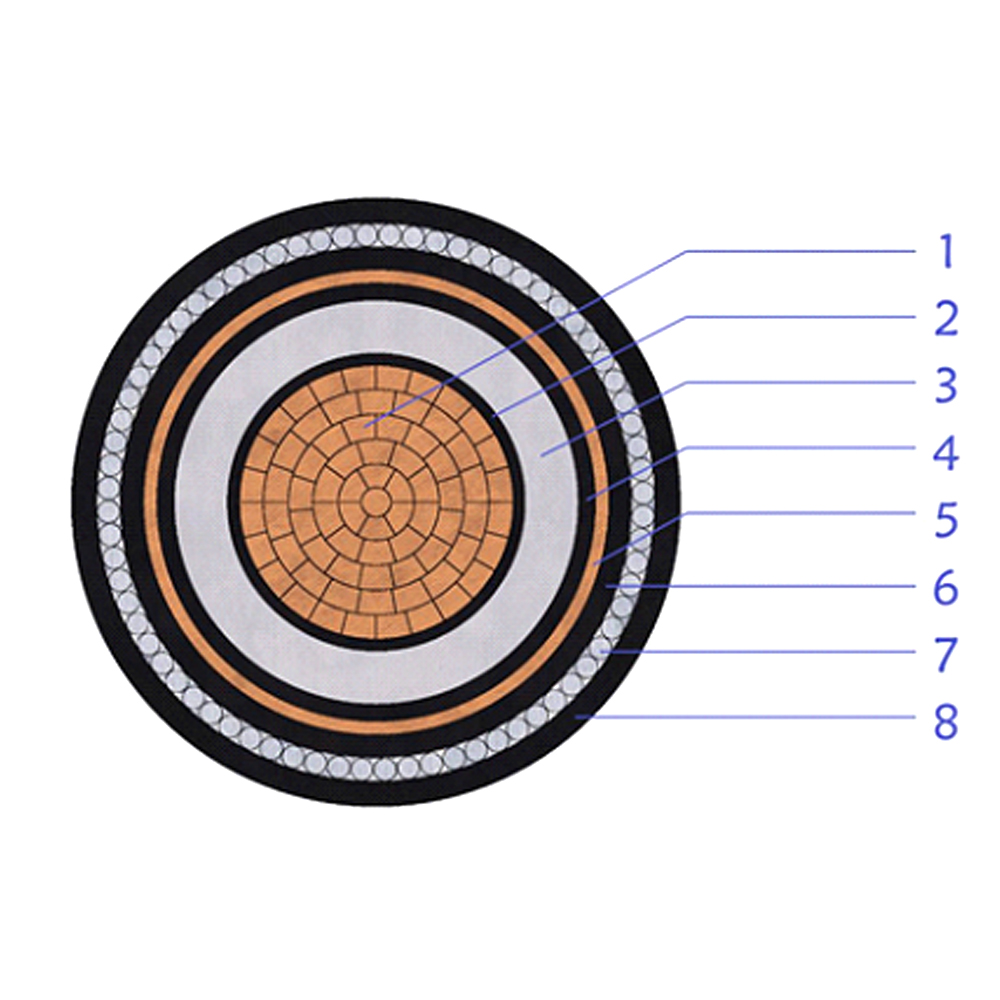
This 6/10(12)kV medium voltage power cable is manufactured with copper conductor......
+ VIEW MORE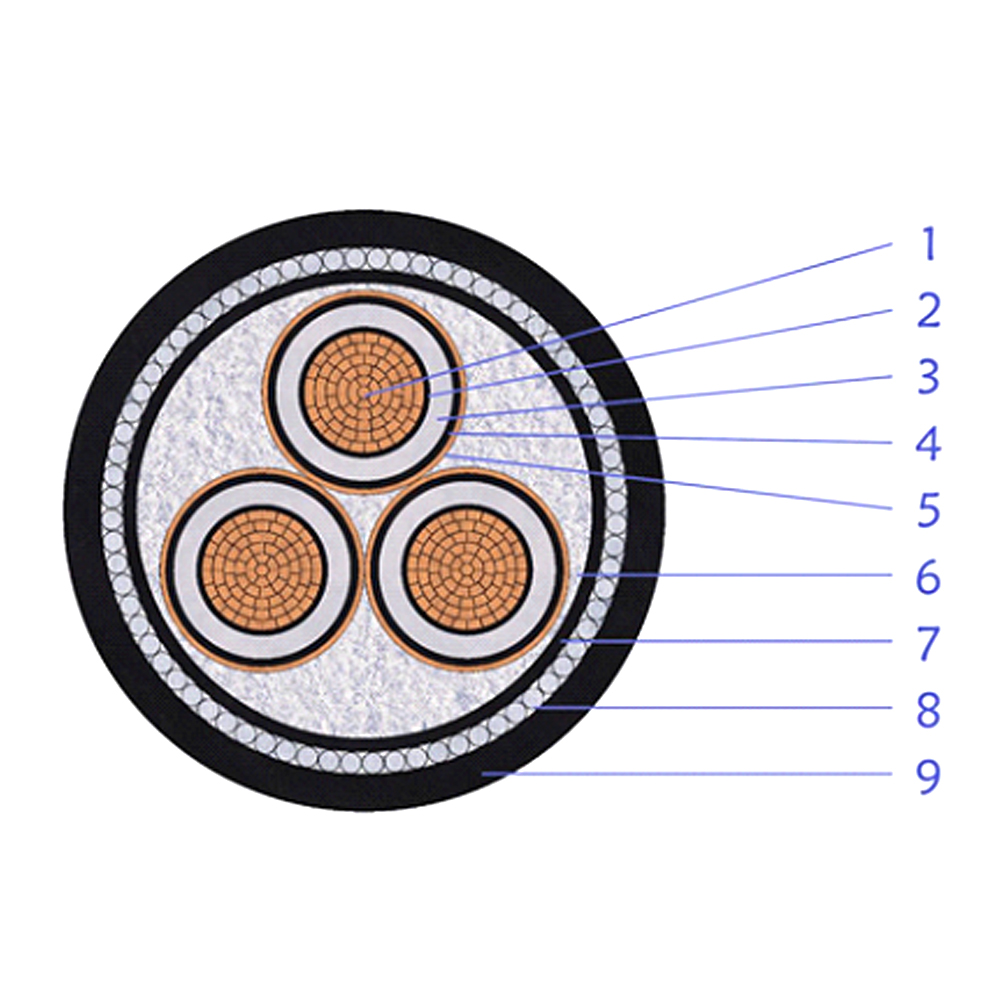
This 8.7/15kV multi-core power cable adopts a layered design based on compacted ......
+ VIEW MORE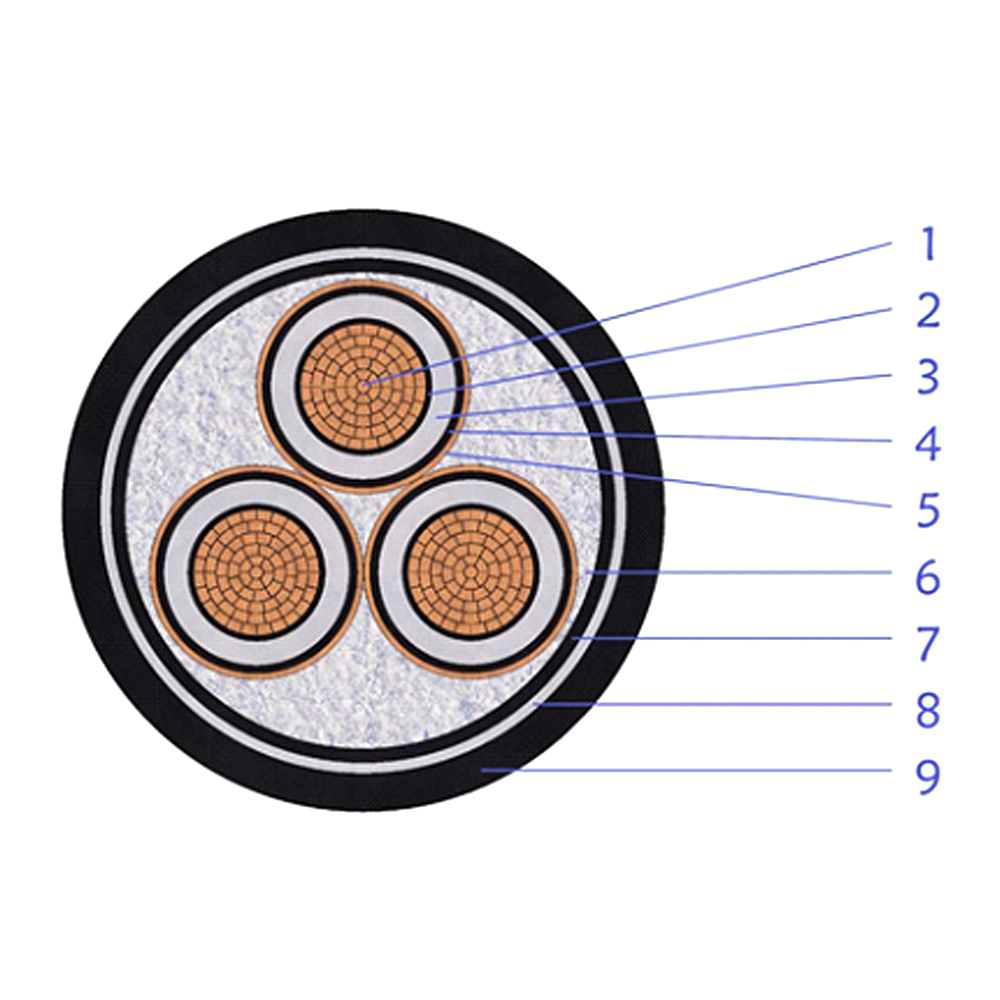
This 8.7/15kV multi-core power cable is constructed with compacted copper conduc......
+ VIEW MORE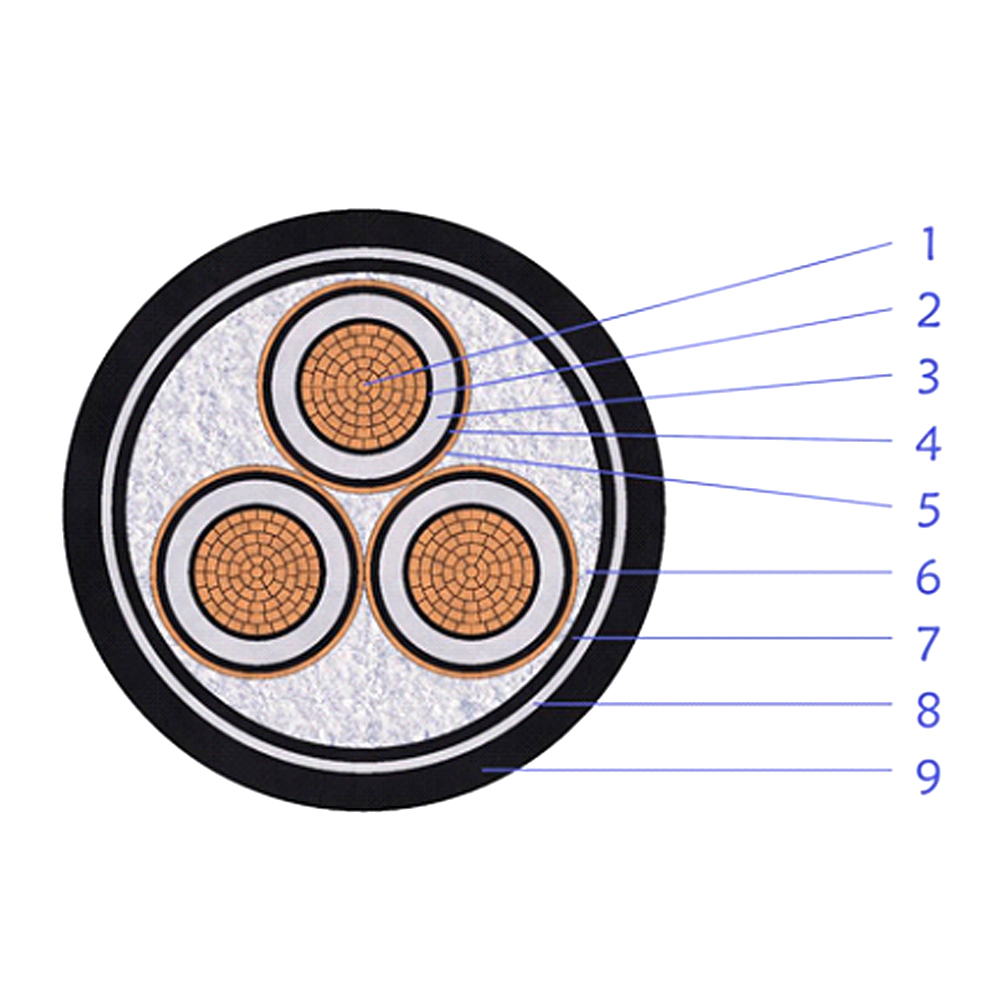
This 12/20kV multi-core power cable adopts a compact multi-layer structure cente......
+ VIEW MORE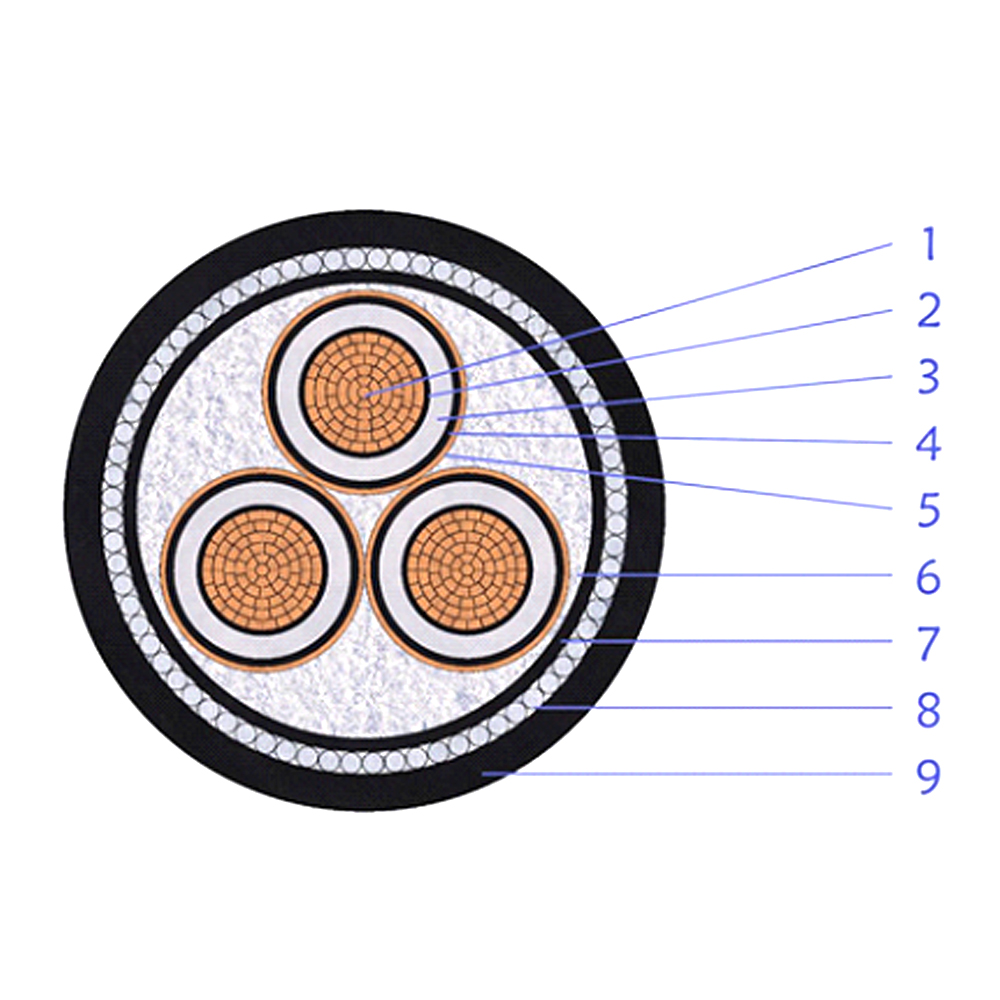
CU/XLPE/CTS/PVC/SWA/PVCThis multi-core medium-voltage power cable features XLPE ......
+ VIEW MORE
Ready To Customise
Your Cable Products?