+852-68552081


 Language

 English
 русский
 Español
 عربى

Home / News / Industry News / 16 2 Tray Cable: What 16 AWG 2-Conductor TC Cable Really Handles on Site
New

Content
An integrator sends over a bill of materials with one line that reads "16/2 tray cable, 600 V, 500 ft". The cable is easy enough to find. Confirming that it belongs on that particular circuit is the harder part, and it is where most rework starts: a two-conductor 16 AWG cable ordered for a job that needed a larger conductor, or a signal pair installed without the shield the loop was designed around.
Here is the conclusion first. A 16 AWG 2-conductor tray cable is a 600 V multi-conductor cable for control, instrumentation and power-limited circuits in cable trays, raceways and, when the print legend allows it, direct burial. It carries a fraction of an amp to a few amps, not tens of amps. Get the stranding, shielding, jacket compound and temperature rating right for the environment and the cable will last as long as the panel it serves. Get them wrong and you will be pulling the run twice.
Buyers often read "16/2" as a wire gauge and a conductor count and stop there. Those two numbers matter, but the third part of the description, tray cable, decides how the cable may be installed. A 16 AWG pair sold as fixture wire or speaker cable cannot be laid open in a tray. A Type TC cable can.
Type TC is the North American listing under UL 1277, defined for tray use at 600 V in NEC Article 336. The TC-ER suffix adds an exposed-run rating, allowing a limited length of cable to leave the tray without conduit, which is often the detail that decides whether a design is buildable. Behind the description sit a handful of values that should appear on the datasheet and on the print legend.
| Parameter | Typical value | What it changes |
|---|---|---|
| Conductor | 16 AWG copper, 7- or 19-strand | Flexibility, termination method, voltage drop |
| Conductors | 2, usually a twisted pair | Noise pickup on signal loops |
| Voltage rating | 600 V | Keeps the cable on control and power-limited circuits |
| Temperature | 90 °C dry, 75 °C wet | Derating in hot trays and process areas |
| Insulation | PVC, PE or XLPE | Diameter, dielectric loss, moisture behaviour |
| Jacket | PVC, nylon or low-smoke halogen-free | Abrasion, flame spread, smoke and halogen release |
| Listing | UL 1277 Type TC; TC-ER for exposed runs | Inspector acceptance and routing options |
| Installation rules | NEC Articles 336 and 392 | Tray fill, support, separation from power |
Sixteen-gauge copper is a small conductor, and the code treats it that way. Under the small-conductor rule in NEC 240.4(D), overcurrent protection for 16 AWG copper is generally limited to 10 A, and most installations sit far below that. A two-conductor tray cable carrying a 4–20 mA loop or a 24 V pilot signal is doing exactly the job the size was chosen for. The same cable feeding a small motor is not.
Voltage drop is the second half of the calculation, and it is where 24 V systems surprise people. Sixteen-gauge copper runs at roughly 4 Ω per 1,000 ft. A device 250 ft from the panel uses 500 ft of conductor in the loop, about 2 Ω. At 0.4 A the drop is under a volt and the sensor sees a healthy supply. At 2 A it is close to 4 V, and a device that needs 20 V to start may not come up on a cold morning. Run the arithmetic at worst-case current and lowest expected supply voltage before the size is approved.
Heat is the third factor. A 90 °C insulation rating does not mean the cable runs at 90 °C in the tray; it means the insulation tolerates that conductor temperature while the ampacity table and the ambient correction factors decide what the conductor can actually carry. In a hot process area with a tightly filled tray, a 16 AWG cable can be limited well below its free-air figure.
Most of the 16 AWG two-conductor tray cable we quote goes into four kinds of work:
It is a poor fit for motor feeders, long runs at meaningful current, continuous-flex robotic applications, and any location where the jacket is not rated for the environment: a wet sump, an oil-soaked pit, or a classified area that requires a specific listing rather than a general one.
The cores inside a tray cable are ordinary control or instrumentation cores, so the build starts with the core and the jacket is applied to suit the route. Our plastic insulated control cable range covers the 600 V control constructions most 16/2 tray jobs are built from, in PVC with optional shielding and armour.
 Plastic Insulated Control Cable RangePVC-insulated control cable range for 600 V tray jobs, with optional shielding or armour and stranded copper conductors for stable control and measuring signals.View Product →
Two cables can both be labelled 16 AWG 2-conductor TC and behave very differently on site. The differences show up in four places.
Seven-strand copper is the common default and terminates cleanly in spring-cage and screw terminals. Finer stranding helps where the cable is flexed during installation or routed around tight bends in a panel, but it needs ferrules or a suitable terminal to avoid stray strands. Ask for the stranding class rather than assuming it, because it changes both the drum price and the termination method on site.
On a signal loop the shield does more work than the conductor size. An overall aluminium foil with a tinned copper drain wire is the standard low-cost answer; a braid over foil adds mechanical strength and better shielding at radio frequencies. The drain is normally terminated at one end only, and the pair lay length affects crosstalk when several signal cables share a tray.
 Computer and Instrumentation Cable for Signal TransmissionShielded computer and instrumentation cable with tinned copper conductors and paired cores, designed to reduce crosstalk and protect analogue and digital control signals.View Product →
PVC is the workhorse jacket: tough, inexpensive and adequate for most indoor trays. In tunnels, metro stations, hospitals and enclosed public spaces, the specification usually shifts to a low-smoke, halogen-free compound, where what matters is how the cable behaves in a fire rather than cost per metre. Those two requirements pull in opposite directions, so the compound has to be chosen for the project.
 Low-Smoke Halogen-Free Flame-Retardant Control Cable450/750 V control cable for tunnels, hospitals and public buildings, with halogen-free cross-linked polyolefin insulation and sheath for low smoke and flame retardance.View Product →
The legend printed on the jacket is the inspector's first reference. It should state the temperature rating, voltage, the TC or TC-ER listing, sunlight resistance where relevant, and direct-burial suitability if that is what was ordered. A missing suffix is a rejected spool, not a small omission.
Three checks catch most installation problems before a pull begins. Fill comes first: NEC 392.22 sets how much of a tray cross-section the cables may occupy, and a bundle of small 16/2 cables adds up faster than people expect once derating for grouped conductors in free air is applied. Support comes second: tray spacing follows the manufacturer's load table and NEC 392.30, and a tray loaded with small cables can look fine while sagging between supports. Separation comes third: Class 2 and Class 3 circuits must be kept apart from power conductors unless the cable or the installation meets the applicable exception, and a shared tray is exactly where that rule gets tested.
Small-diameter cables are easy to pull but also easy to over-tension, and a jacket scuffed on a sharp tray edge becomes a moisture path years later. Check the bends before the drum arrives.
For non-standard combinations the build is a matter of agreeing the core, the shield and the jacket before the order is released. Our custom cable builds follow that sequence: print legend first, then sample, then production. It takes longer than a catalogue order and it is the reason a spool rarely gets rejected at the site gate.
A 16 AWG 2-conductor tray cable is a small, honest component: 600 V, a few amps, two conductors in a jacket that has to survive the tray it sits in. The failures we see are rarely about the copper. They come from a size chosen without a voltage-drop calculation, a shield left off a loop that needed one, or a jacket specified for indoor air and installed in a wet pit. Confirm the four numbers, size, current, environment and listing, against the actual route, and the cable becomes the least interesting part of the project. Xinyu Cable has manufactured control, instrumentation and power cable to these criteria since 1996, and the quotation process starts with installation conditions rather than a part number.
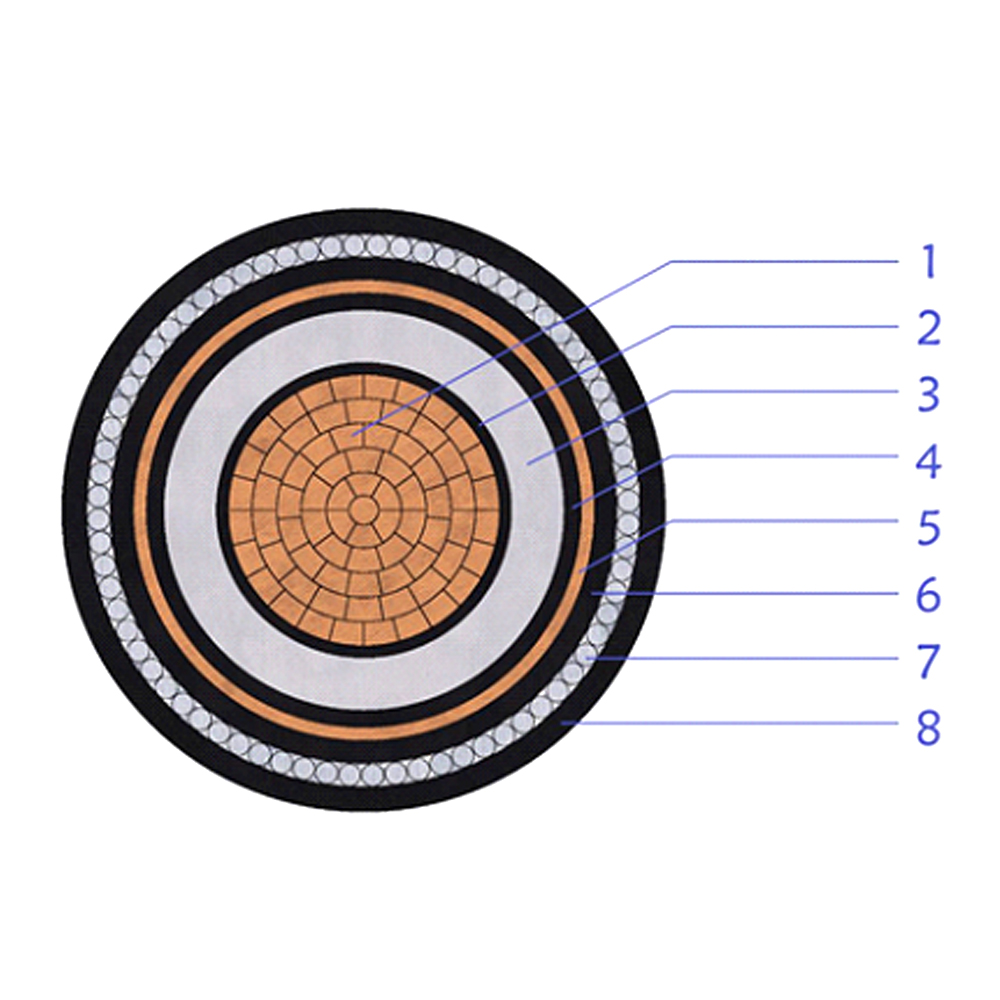
This 12/20(24)kV power cable is designed for higher medium voltage applications,......
+ VIEW MORE
This 6/10(12)kV XLPE insulated unarmored power cable is intended for medium volt......
+ VIEW MORE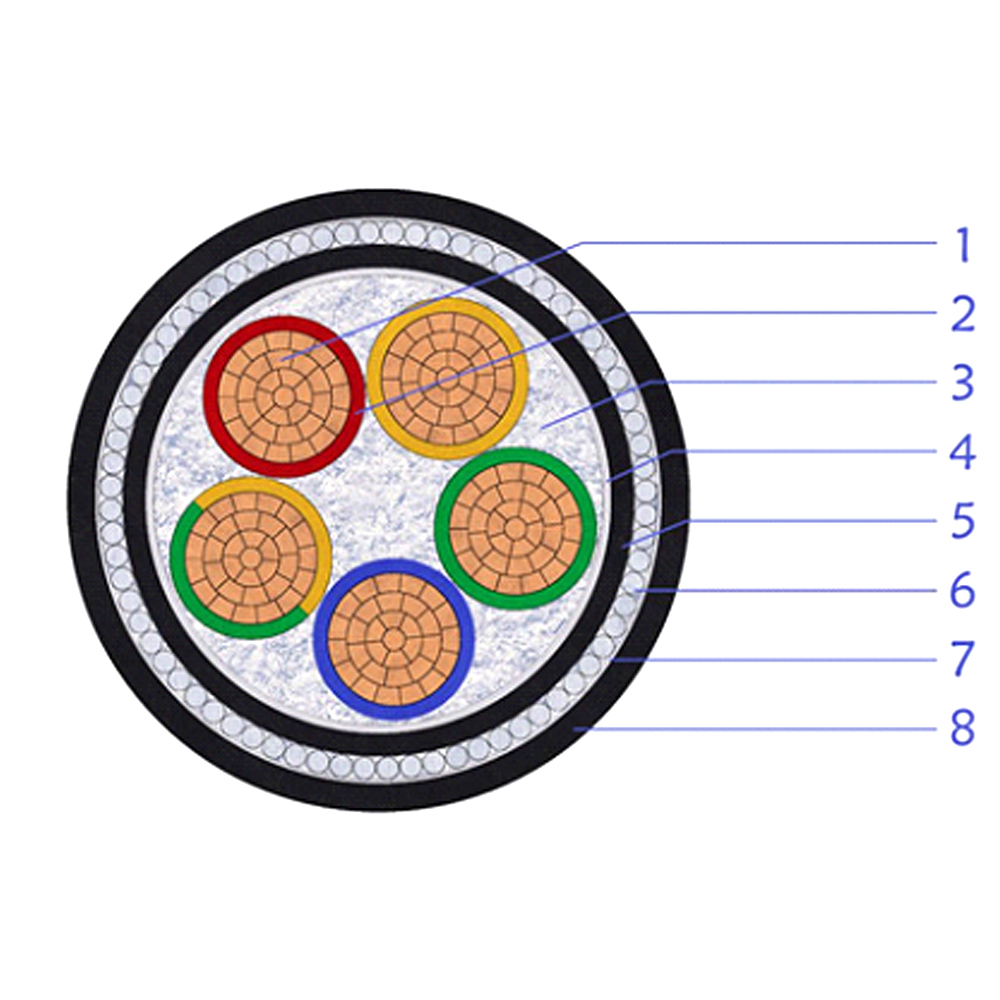
This cable is used for fixed installation in low-voltage power distribution syst......
+ VIEW MORE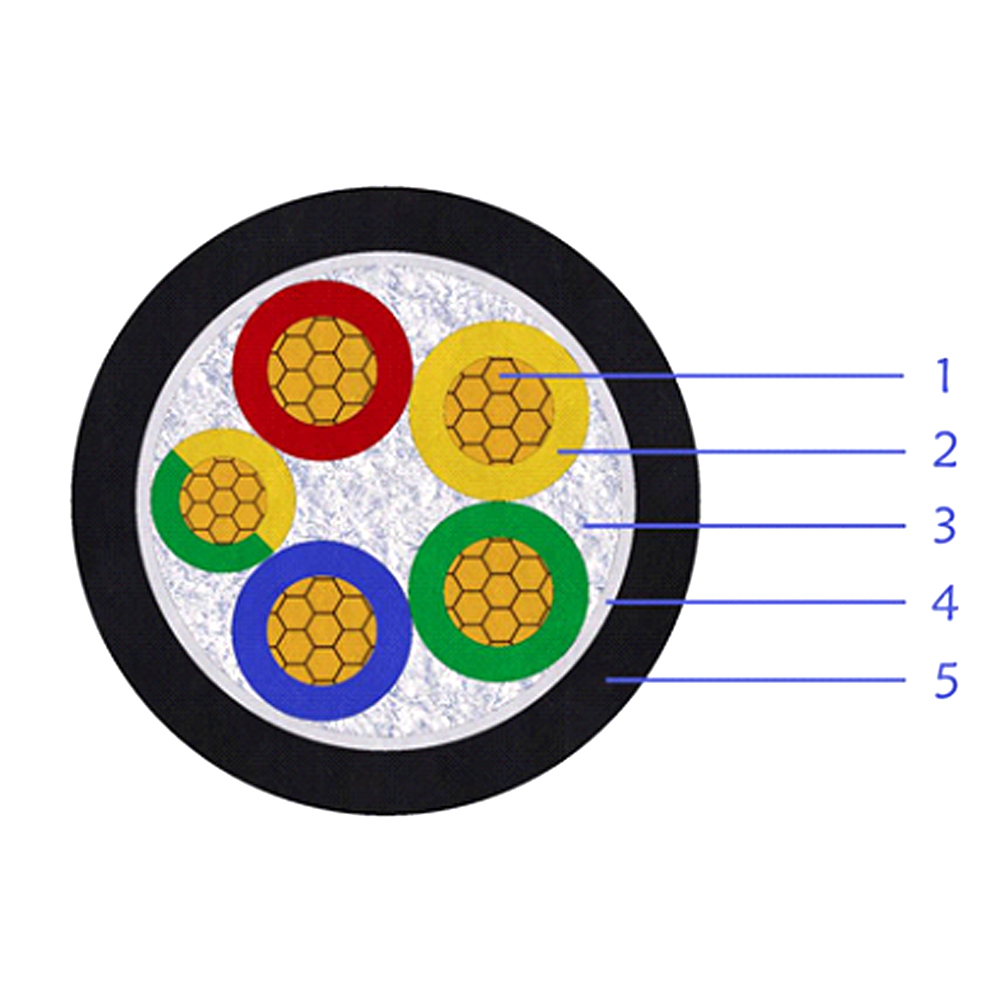
This multi-core XLPE insulated PVC sheathed cable is designed for low-voltage ne......
+ VIEW MORE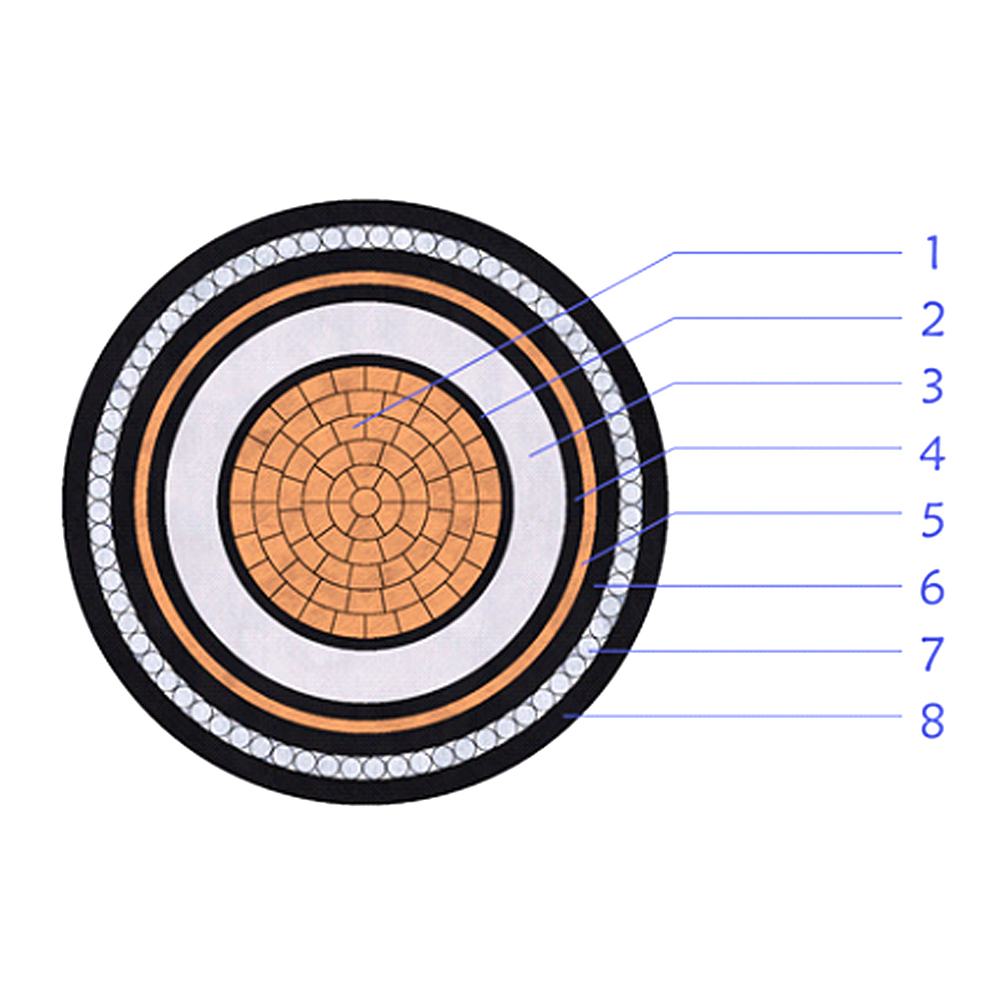
This 3.6/6(7.2)kV medium voltage power cable is designed with a copper conductor......
+ VIEW MORE
This 3.6/6(7.2)kV multi-core medium voltage power cable features copper conducto......
+ VIEW MORE
Ready To Customise
Your Cable Products?