MV Power Cables are designed for the transmission and distribution of electrical energy at medium voltage levels, commonly used in utility networks, industrial facilities, and large commercial projects. They play a key role in connecting substations, transformers, switchgear, and other power equipment, supporting stable power delivery over longer distances compared with low voltage systems.
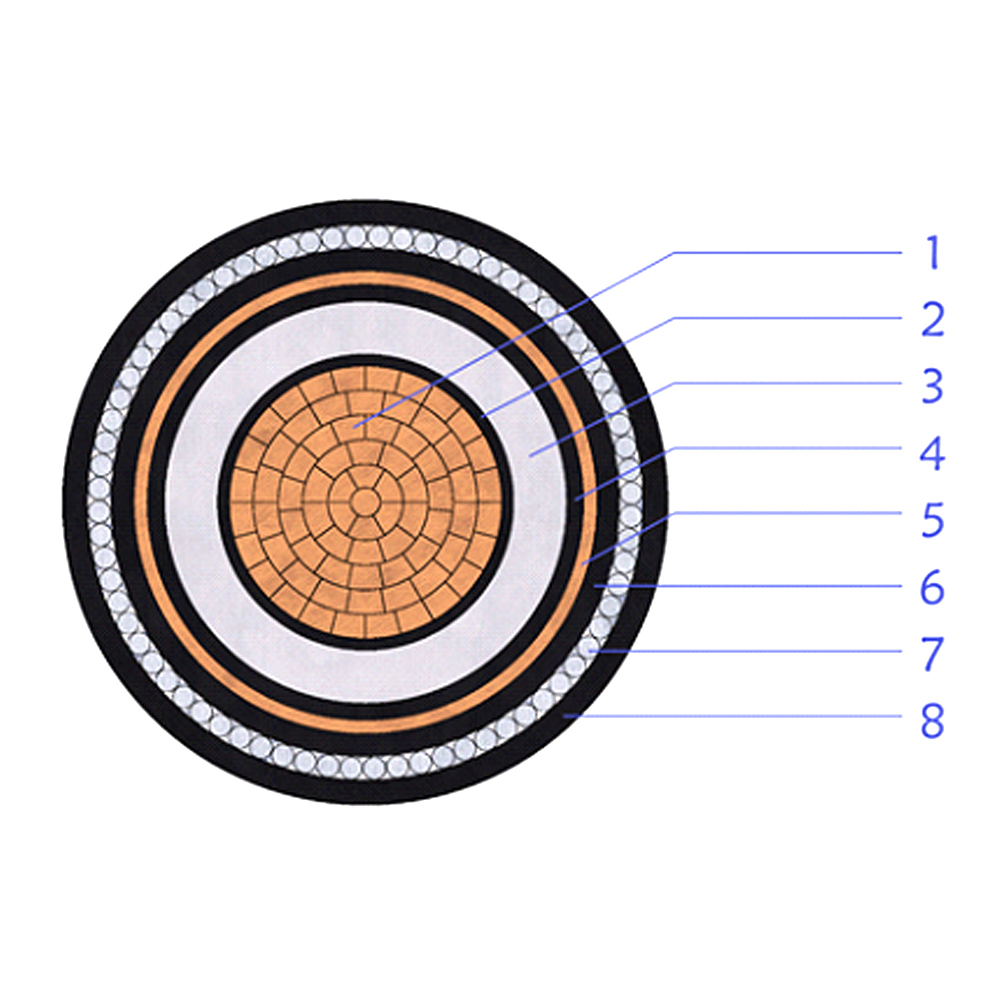
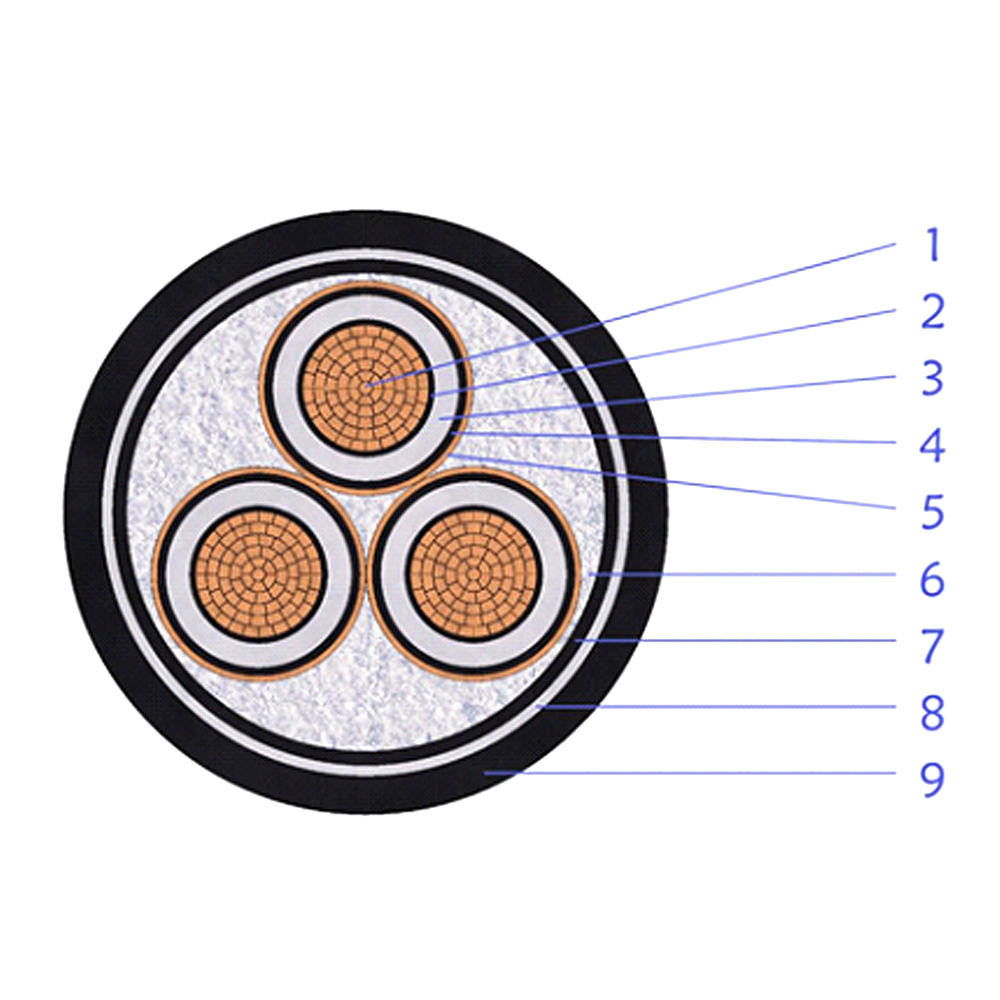
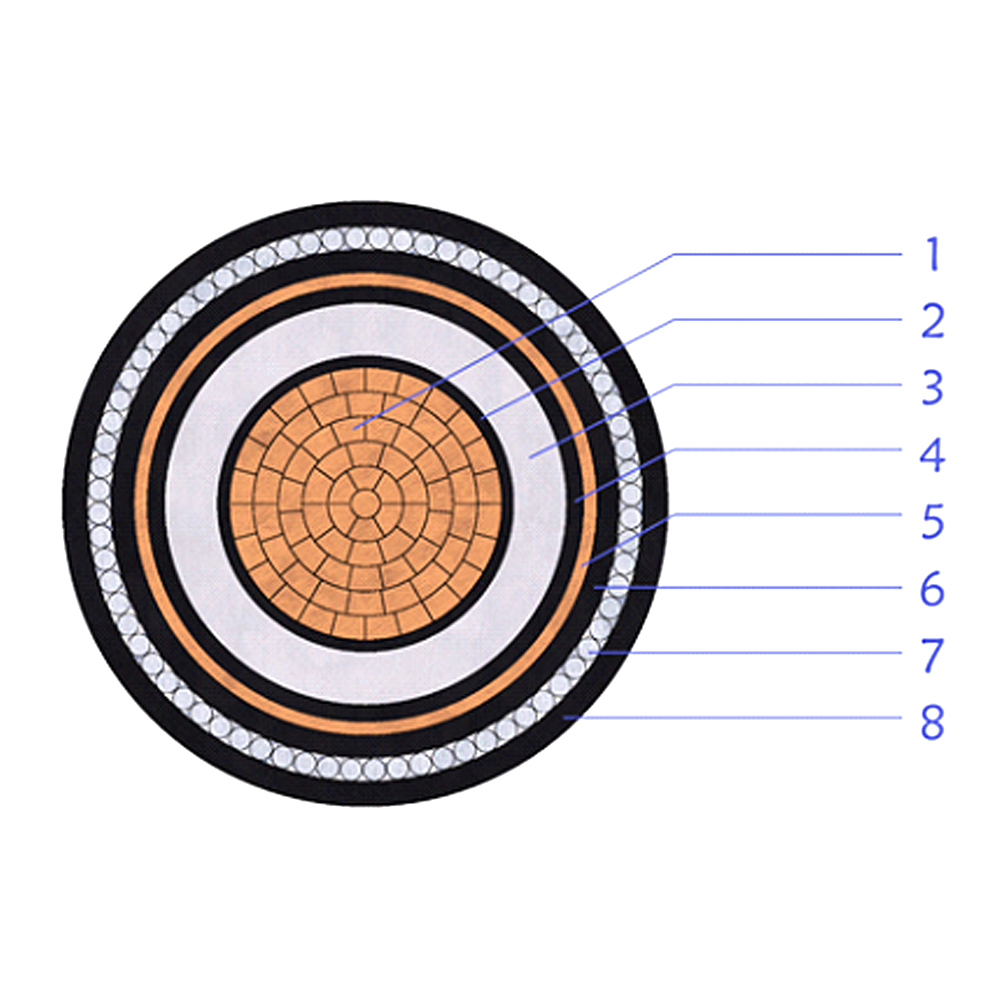
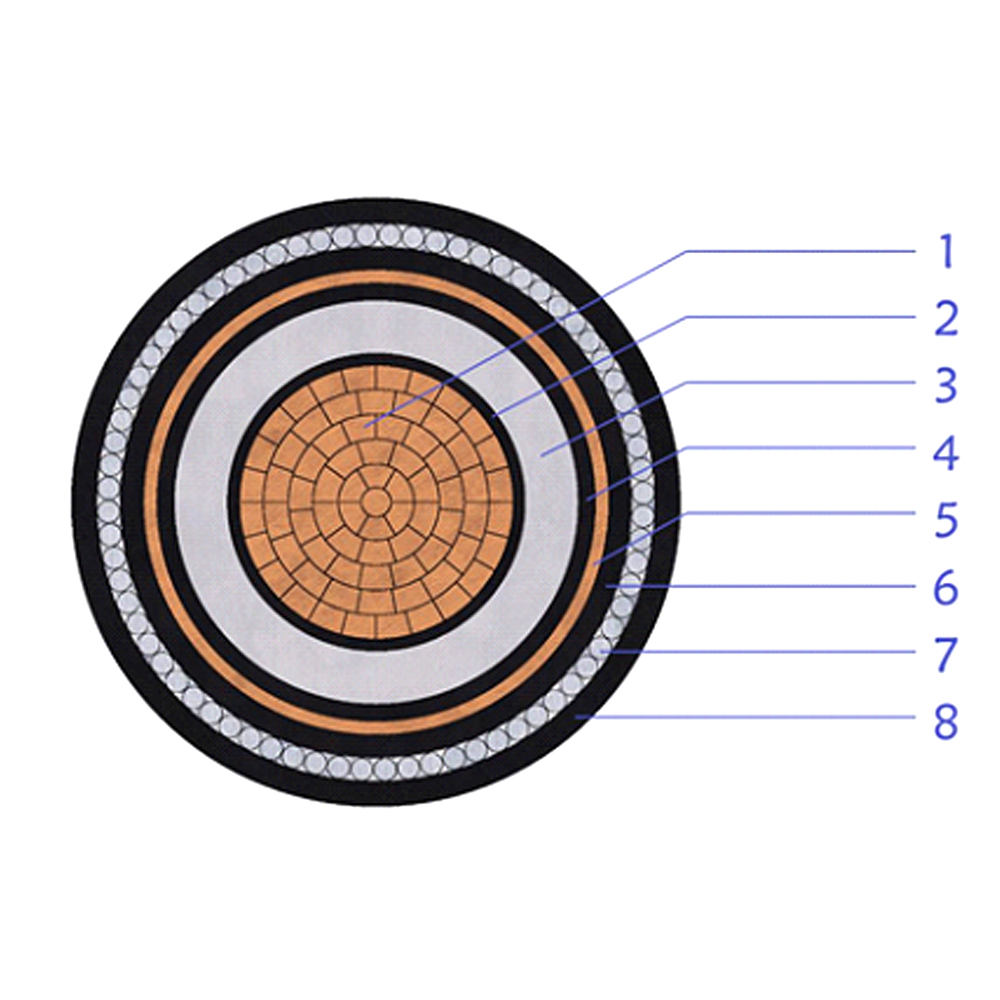
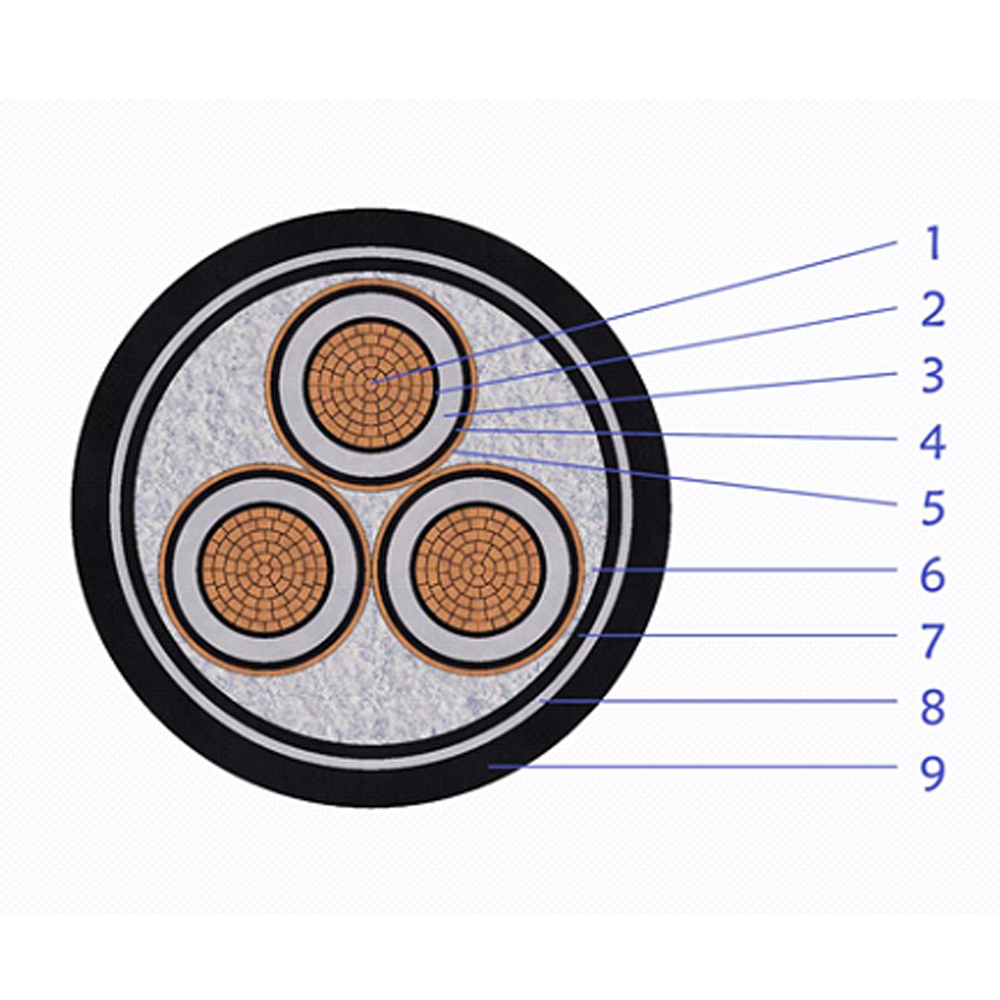
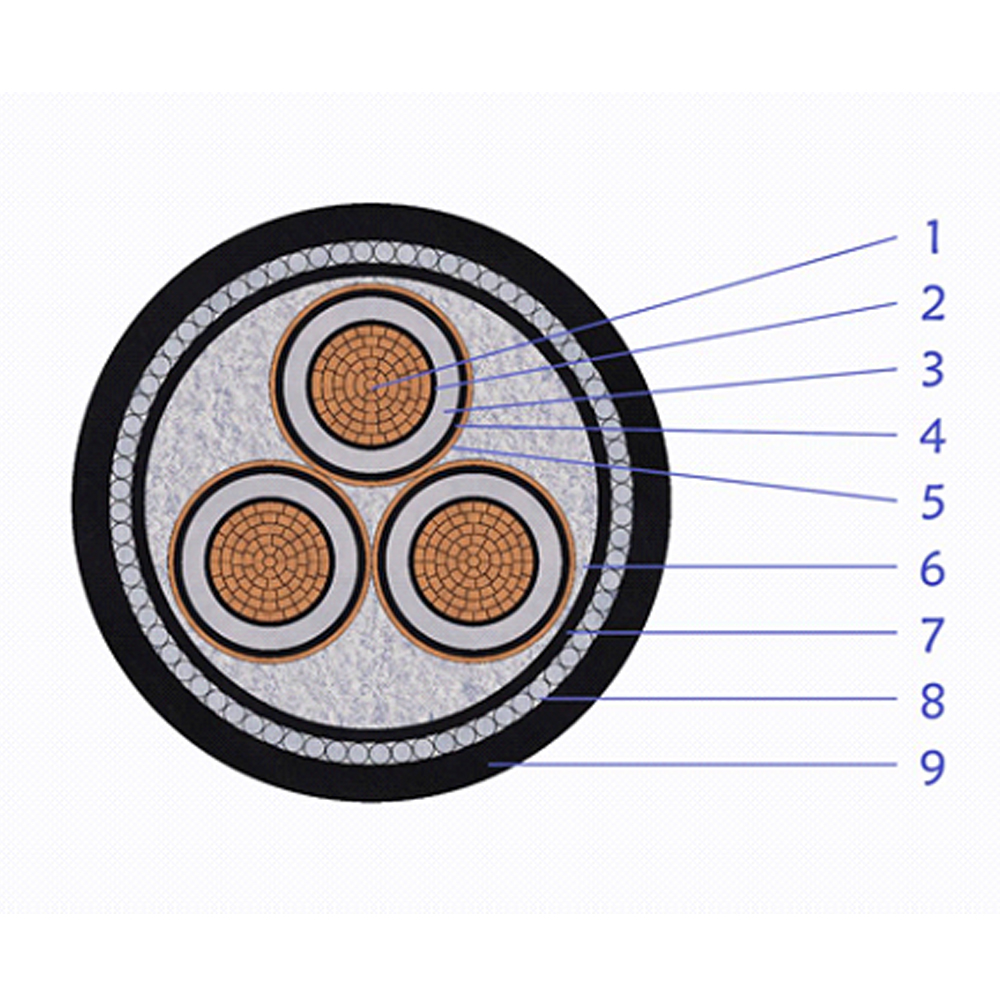
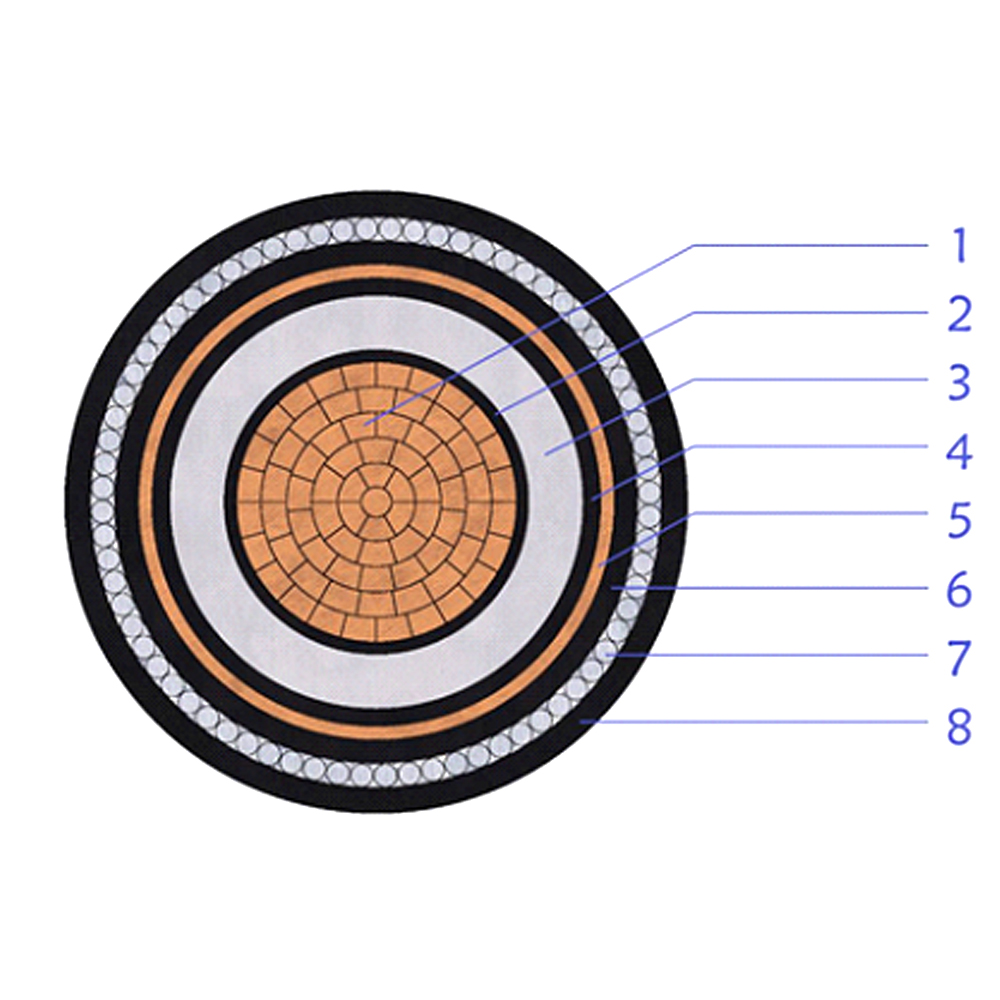
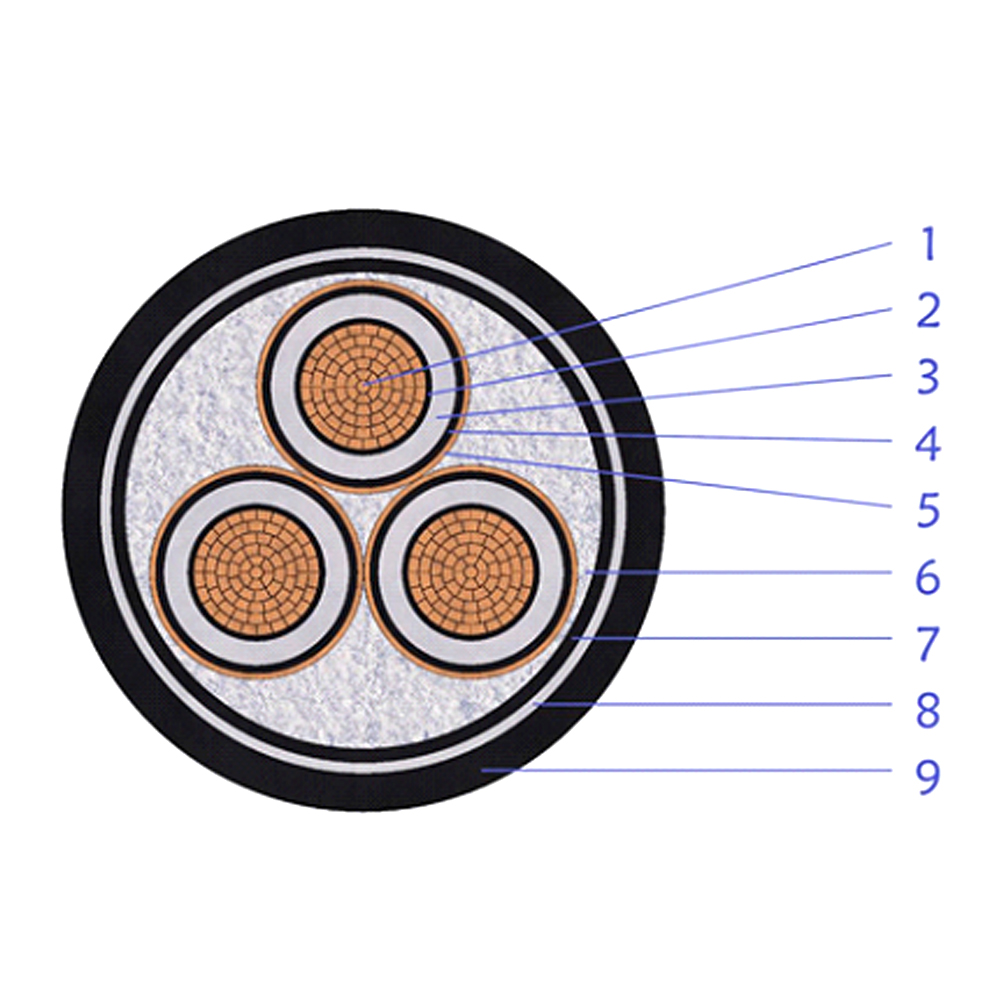
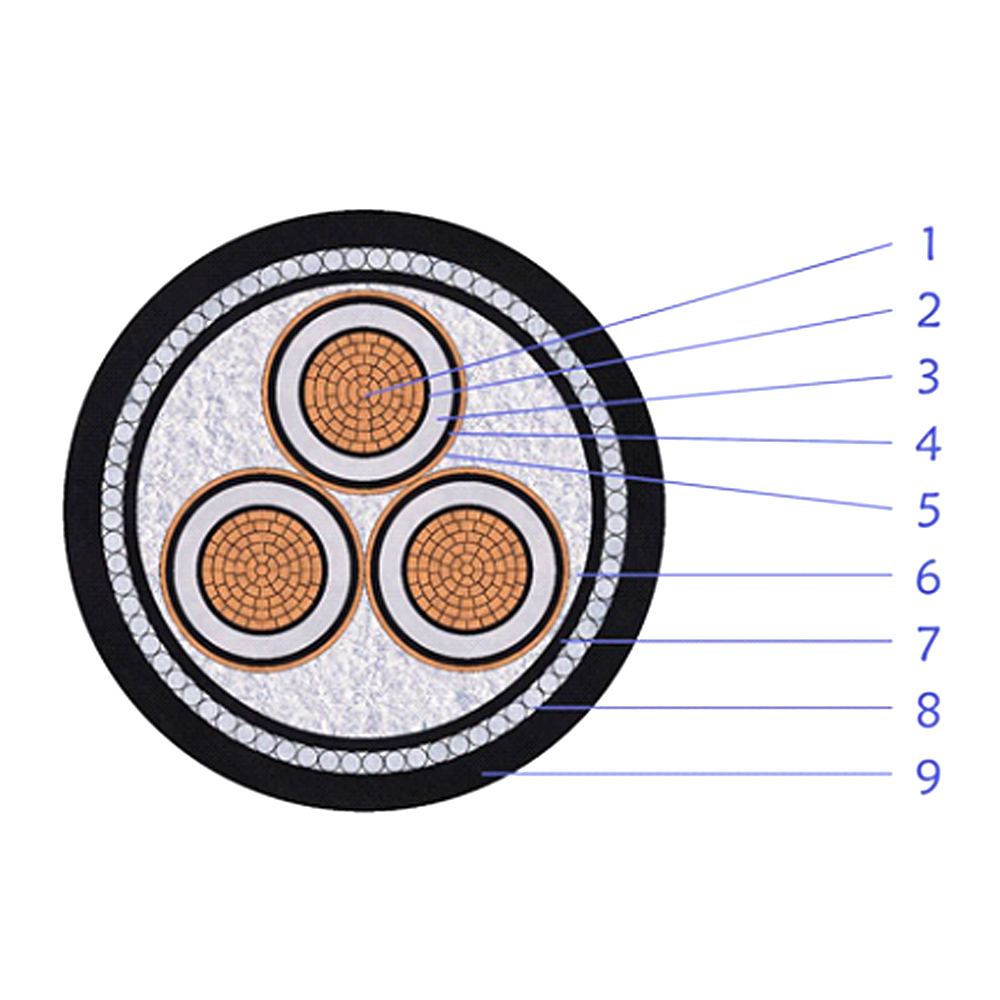
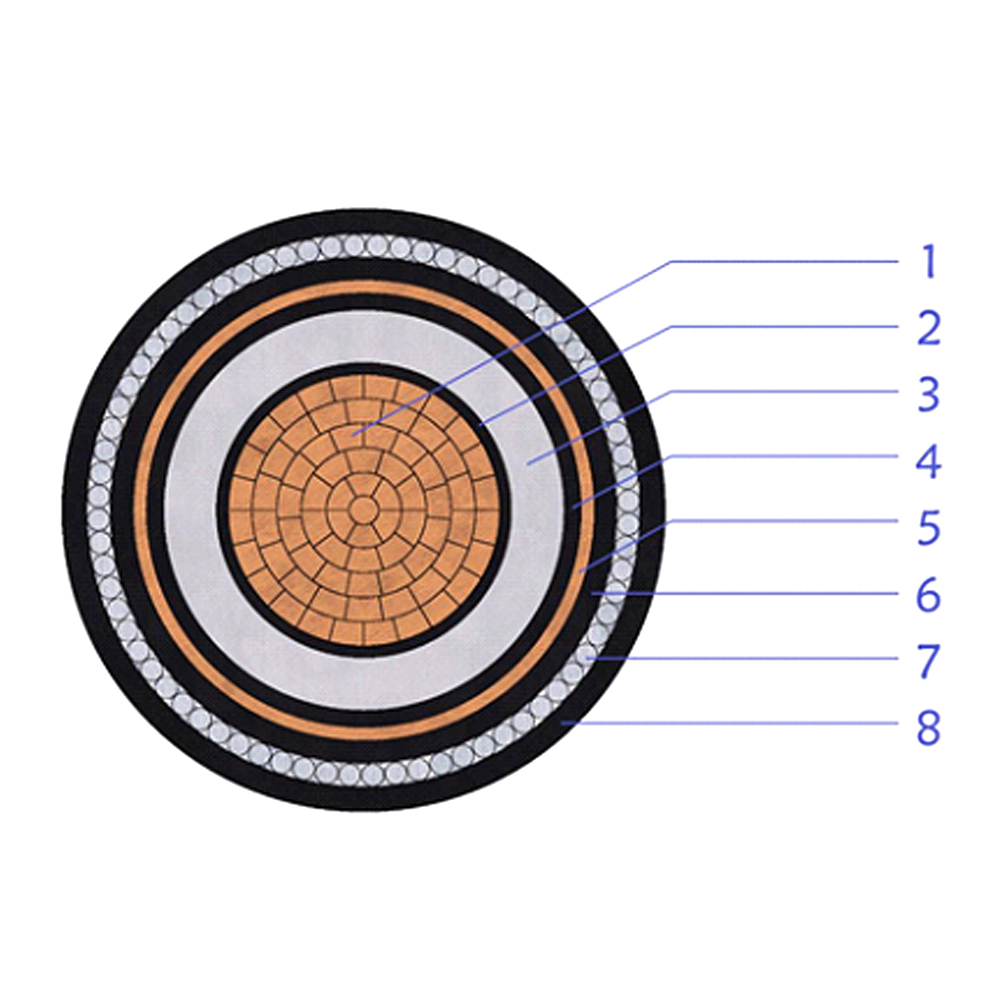
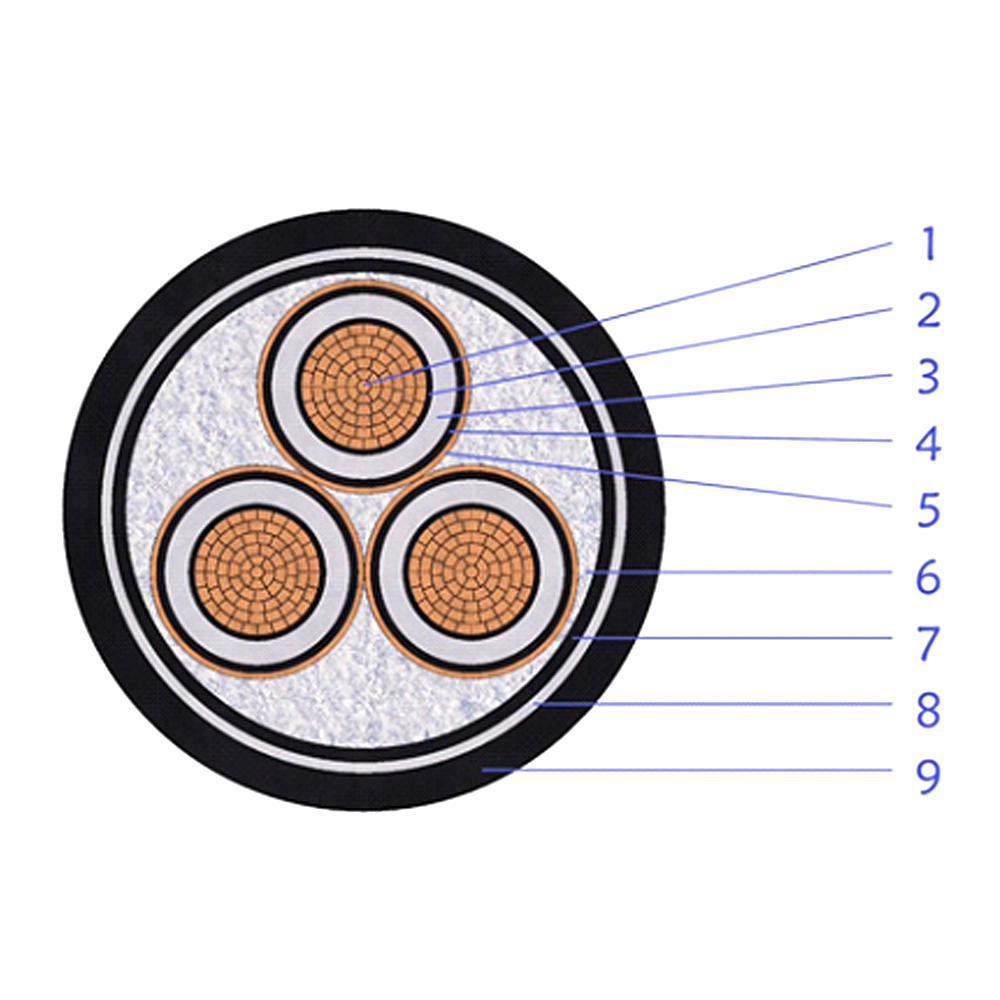
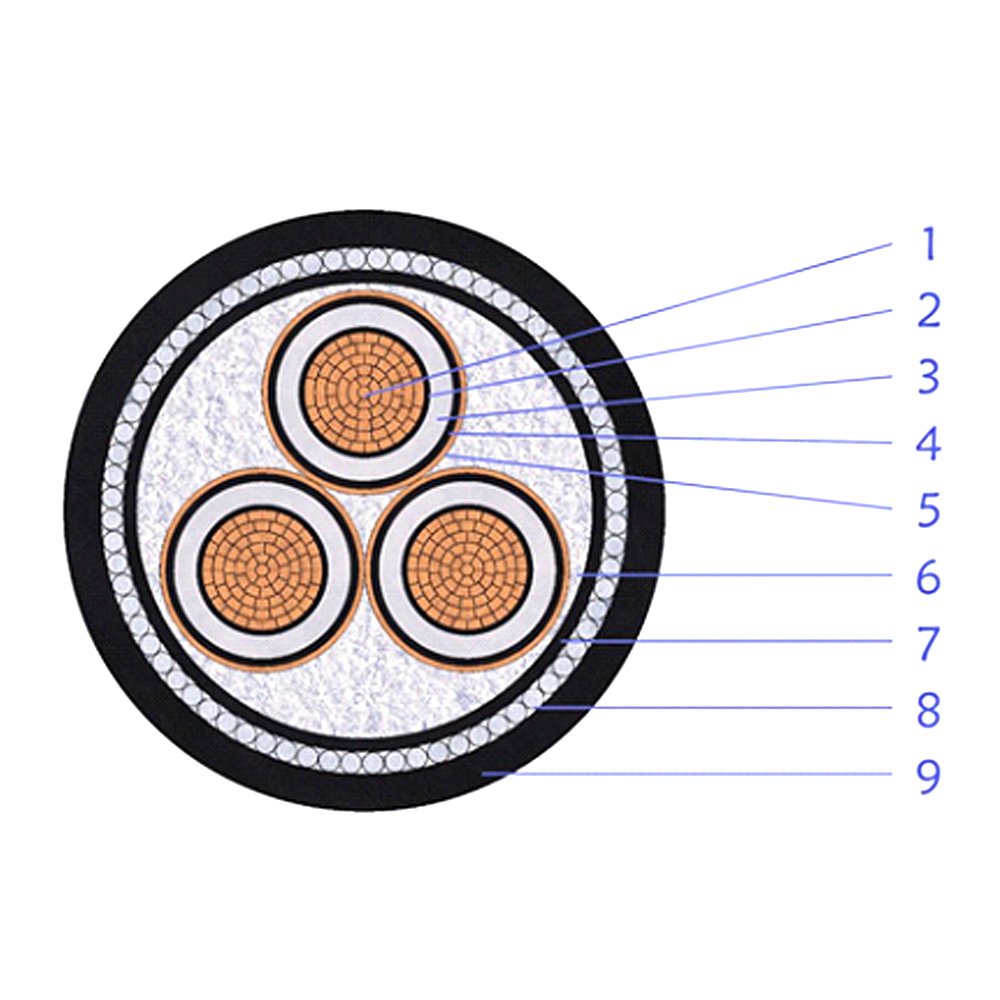
These cables are constructed with dedicated insulation systems, conductor screens, and metallic screens to manage electrical stress and enhance operational stability. Different core configurations and sheath options allow MV power cables to adapt to various installation environments, including underground, duct, and tray installations. Their design emphasizes electrical performance, durability, and conformity with applicable standards to meet the requirements of medium voltage power networks.

1996
160000㎡
10+Years
No.33+
For a Medium Voltage Power Cable, conductor design directly influences current-carrying capacity, electrical losses, voltage drop, thermal performance, and short-circuit withstand capability. Selecting the conductor size therefore requires more than matching the cable to the normal operating current. The expected load profile, installation environment, cable length, ambient temperature, and fault conditions should all be considered during engineering evaluation.
In medium voltage distribution systems, the conductor is commonly combined with carefully designed insulation and shielding layers. The relationship between conductor size and insulation thickness can also affect the overall cable diameter, bending characteristics, installation difficulty, and project cost. For long cable runs, voltage drop and power losses can become important factors even when the normal operating current remains within the cable's permissible range.
Medium voltage cables operate under significantly greater electrical stress than ordinary low voltage wiring, making insulation design an important part of cable reliability. The insulation system must provide stable dielectric performance under continuous operating conditions while also tolerating electrical, thermal, and environmental stresses that may occur during the cable's service life.
For many medium voltage cable constructions, a shielding system is used around the insulation. The shield helps control the electrical field and provides a defined path for fault-related currents when properly integrated into the overall system. The design of the conductor screen, insulation screen, metallic screen, and outer protective layers must be considered as a complete system rather than as independent components.
Wuxi Xinyu Cable Co., Ltd. has specialized in the production of electrical wires and cables since 1996. Located near picturesque Lake Tai, the company operates on a site exceeding 160,000 square metres, including 36,000 square metres of production facilities. providing a substantial technical and manufacturing foundation for its diversified cable production.
An armoured cable is not selected simply because it offers stronger physical protection. The decision should be based on the installation environment and the type of mechanical or environmental exposure expected during service. Underground installations, industrial facilities, cable trenches, direct-buried applications, and areas with potential external mechanical impact may require additional protection.
For an IEC Standard Medium High Voltage Armoured Cable, the armour construction should be evaluated together with the cable's electrical design. Armour material, configuration, cross-sectional area, corrosion resistance, bonding, and grounding arrangement can influence the cable's mechanical performance and electrical characteristics. In certain applications, the metallic armour may also need to be integrated with the system's earthing and fault-current design.
The same cable specification may not be equally suitable for every installation method. Cables installed in ducts, trays, trenches, underground systems, or directly buried environments experience different thermal and mechanical conditions. The installation method influences heat dissipation, allowable current, bending stress, external pressure, moisture exposure, and accessibility for maintenance.
For a Medium Voltage Power Cable, designers should therefore determine the installation method before finalizing the cable construction. Cable grouping is another important consideration. Several loaded circuits installed closely together may generate additional heat, requiring appropriate correction factors or a different cable arrangement to maintain acceptable operating temperatures.
| Installation method | Main considerations |
| Cable tray | Cable spacing, ventilation, grouping, and mechanical support |
| Cable duct | Heat dissipation, pulling tension, bending radius, and accessibility |
| Direct burial | Soil thermal conditions, moisture, mechanical protection, and corrosion |
| Industrial installation | Mechanical stress, chemical exposure, heat, and electrical interference |
When sourcing an IEC Standard Medium High Voltage Armoured Cable, buyers should identify the exact applicable standard rather than relying only on a general reference to IEC requirements. Different cable standards cover different voltage ranges, construction types, test methods, and application conditions. The complete technical specification should state the required standard, voltage class, conductor construction, insulation system, metallic screen, armour, outer sheath, and relevant tests.
For international projects, technical documents should also make clear whether additional national regulations, project specifications, certification requirements, or customer-specific tests apply. This is particularly important when cables are being exported to different markets because project requirements may extend beyond the baseline product standard.
| Technical item | Information to confirm |
| Voltage rating | System voltage and required cable voltage designation |
| Conductor | Material, cross-sectional area, construction, and electrical resistance |
| Insulation | Insulation material, thickness, and thermal characteristics |
| Metallic screen | Material, configuration, electrical continuity, and grounding requirements |
| Armour | Armour material, construction, dimensions, and corrosion considerations |
| Outer sheath | Material, thickness, environmental resistance, and color requirements |
| Testing | Routine, sample, type, and project-specific testing requirements |
Medium voltage cables must be able to withstand not only normal operating conditions but also foreseeable short-circuit events for the duration specified by the protection system. During a fault, current can rise sharply and generate significant thermal and electromagnetic forces within the cable. The conductor, insulation system, metallic screen, and associated components must therefore be considered when evaluating short-circuit performance.
The required short-circuit capability depends on factors such as fault current magnitude, clearing time, conductor material, conductor cross-sectional area, and the permissible temperature limits of the cable components. Coordination between cable design and protection equipment is essential because a cable specification should correspond to the actual protection strategy of the electrical system.
In industrial plants, infrastructure facilities, commercial buildings, and other high-risk environments, fire performance may be an additional factor in cable specification. Flame-retardant and fire-resistant constructions address different requirements. Flame-retardant cables are intended to limit flame propagation under specified test conditions, while fire-resistant designs may be required to maintain circuit function for a defined period under fire exposure.
Wuxi Xinyu Cable Co., Ltd. maintains a diversified portfolio of more than 500 cable varieties across eight major categories, including polyvinyl chloride insulated wires, all-plastic power cables, all-plastic control cables, cross-linked power cables, computer cables, flame-retardant and fire-resistant power cables, flame-retardant and fire-resistant cross-linked power cables, and shielded cables. This broad range allows cable requirements to be considered according to different electrical, environmental, and safety conditions.
When a Medium Voltage Power Cable is specified for a fire-sensitive installation, buyers should identify the required fire-performance criteria during the engineering stage. This avoids selecting a cable based only on voltage and conductor size while overlooking the project's fire-safety requirements.
Medium voltage cable procurement often involves long production cycles, strict technical specifications, and significant quantities. For large projects, supplier evaluation should therefore include manufacturing resources and technical capabilities in addition to product pricing. Stable production processes are particularly important when cables must be supplied in multiple batches while maintaining consistent construction and electrical characteristics.
Wuxi Xinyu Cable Co., Ltd. was established in 1996 and has developed a substantial manufacturing base on a site exceeding 160,000 square metres, including 36,000 square metres of production facilities. Its experience in producing a broad range of electrical wires and cables provides a useful foundation for handling different cable specifications and project requirements.
For buyers evaluating an IEC Standard Medium High Voltage Armoured Cable, supplier assessment should therefore consider the complete combination of technical support, production capability, product range, specification control, testing, documentation, and delivery consistency. These factors can have a greater effect on project reliability than comparing the purchase price alone.

Ready To Customise
Your Cable Products?

 +852-68552081


 Language

 English
 русский
 Español
 عربى
عربى